Guía del comprador de pantallas industriales para equipos OEM
Introducción Las interfaces hombre-máquina (IHM) son actualmente componentes estándar de los equipos industriales modernos. Las pantallas permiten a los operarios ...
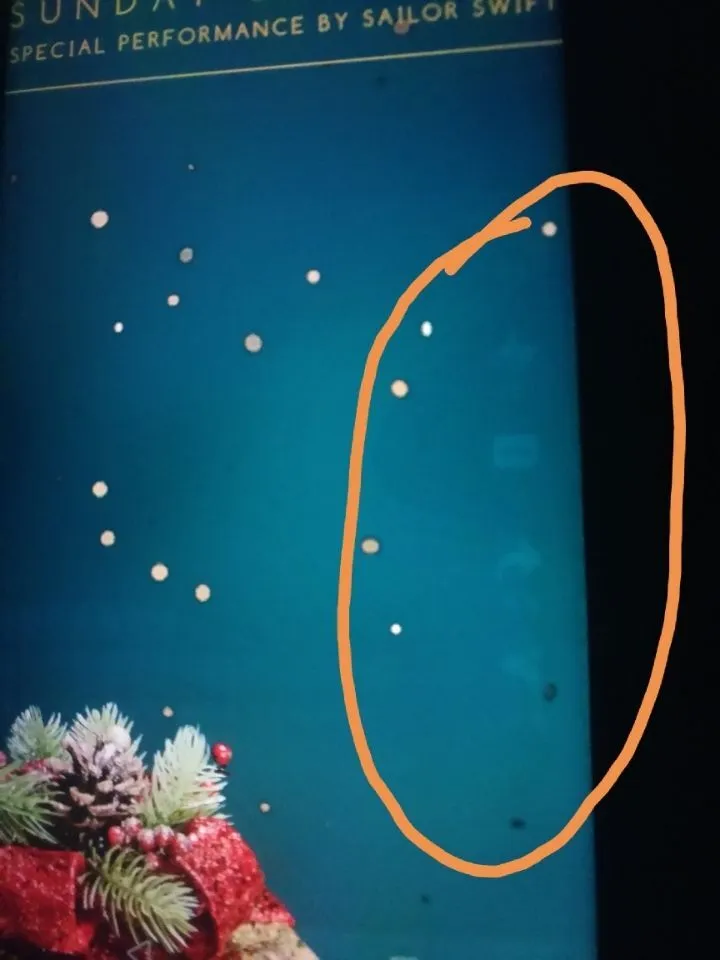
La retención de imágenes, comúnmente denominada fantasma, describe una situación en la que, una vez cambiada la imagen, permanecen visibles débiles rastros del contenido visualizado anteriormente.
En aplicaciones industriales TFT LCD, El efecto fantasma es no suele ser un defecto del producto, sino un comportamiento de visualización resultante del efecto combinado de las características del panel, el método de conducción, el entorno operativo y el patrón de uso de la aplicación.
Comprender esta distinción es fundamental a la hora de evaluar la idoneidad de las pantallas para despliegues a largo plazo o de misión crítica.
Desde el punto de vista de la ingeniería, retención de imágenes observados en las pantallas LCD TFT pueden tener su origen en distintos mecanismos. Identificar el tipo ayuda a determinar si el riesgo puede reducirse mediante decisiones de selección o integración.
Retención temporal de imágenes
Retención por conducción o por prejuicios
Retención relacionada con la degradación a largo plazo
No todos los factores contribuyentes son igualmente controlables. Desde la perspectiva del diseño de sistemas, es importante distinguir entre parámetros controlables por el diseño y restricciones basadas en la aplicación.
| Factor | Control de ingeniería | Notas |
|---|---|---|
| Tiempo de respuesta del LCD | Alta | Evaluado durante la selección del panel |
| Adaptación de la placa de controladores | Alta | La compatibilidad eléctrica es fundamental |
| Proporción de IU estática | Medio | Estrechamente vinculado al diseño de la aplicación |
| Temperatura de funcionamiento | Medio | Gestión térmica del sistema |
| Envejecimiento del panel | Bajo | Comportamiento inherente al ciclo de vida |
El riesgo de "efecto fantasma" rara vez es atribuible a un único parámetro; suele ser el resultado de múltiples condiciones marginales que se acumulan.
La probabilidad de que se produzcan imágenes fantasma varía considerablemente en función del uso que se haga de la pantalla sobre el terreno.
Entender dónde se sitúa una aplicación dentro de este espectro suele ser más importante que centrarse únicamente en las especificaciones del panel.
En lugar de confiar en la mitigación posterior al despliegue, debe evaluarse el riesgo de ghosting durante la fase de selección e integración.
Las consideraciones clave incluyen:
Ninguna pantalla LCD TFT puede garantizar una retención cero de la imagen en todas las condiciones; el objetivo es control de riesgos, no la eliminación absoluta.
En los proyectos industriales, la retención de la imagen se observa con mayor frecuencia cuando el comportamiento de la aplicación, la conducción eléctrica y las condiciones térmicas se evalúan de forma independiente en lugar de como un sistema.
Durante las revisiones de selección e integración de pantallas, estos factores suelen evaluarse conjuntamente para determinar la idoneidad a largo plazo y el riesgo operativo, especialmente en el caso de sistemas HMI, quioscos y sistemas desatendidos que funcionan las 24 horas del día, los 7 días de la semana.
Se recomienda una revisión técnica si su solicitud implica:
¿No está seguro de si su aplicación es adecuada para una exposición estática de larga duración?
Comparta las condiciones de funcionamiento, el comportamiento de la interfaz de usuario y los detalles del entorno con nuestro equipo de ingenieros para que revisen la viabilidad y los riesgos.
Este contenido pretende ser una referencia de ingeniería para la evaluación del comportamiento de la pantalla y debe considerarse en el contexto del diseño completo del sistema.
Introducción Las interfaces hombre-máquina (IHM) son actualmente componentes estándar de los equipos industriales modernos. Las pantallas permiten a los operarios ...
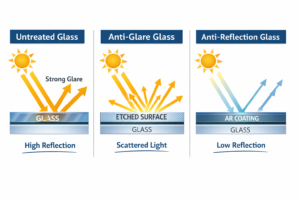
Introducción Las pantallas industriales se instalan con frecuencia en entornos en los que las condiciones de iluminación son difíciles de controlar. Equipos ...
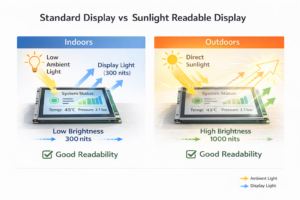
Introducción Las pantallas son un componente de interfaz crítico en muchos tipos de equipos industriales. Proporcionan al sistema ...
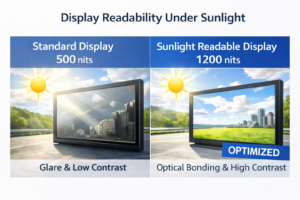
Introducción La visibilidad de las pantallas es un parámetro de diseño fundamental en los equipos industriales. Los operarios confían en las interfaces gráficas ...
Envíe los detalles de su solicitud. Le responderemos con la dirección de configuración y los siguientes pasos.