Monitor industriali per l'integrazione OEM
Assemblaggi di monitor definiti dal progetto per programmi di apparecchiature - incentrati sull'accoppiamento meccanico e sulla compatibilità delle interfacce.
Monitor industriali per l'integrazione delle apparecchiature
Forniamo gruppi di monitor industriali progettati per l'integrazione in apparecchiature, terminali, chioschi e piattaforme infrastrutturali, e piattaforme infrastrutturali.
Disponibili in configurazioni open-frame, per montaggio a pannello e VESA, i monitor sono specificati in base all'adattamento dell'involucro, alla compatibilità dell'interfaccia e all'ambiente di utilizzo.
La fornitura è strutturata per programmi OEM e di integrazione di sistema in cui sono richieste coerenza di configurazione e pianificazione della disponibilità a lungo termine. e la pianificazione della disponibilità a lungo termine.

Copertura della configurazione tipica
Gamme di specifiche comuni per progetti OEM e di integrazione di sistemi. La configurazione finale è definita per ogni applicazione.
| Dimensione | 7"-32"+ misure industriali standard |
|---|---|
| Risoluzione | Definito dalla selezione dei pannelli per dimensione |
| Luminosità | Opzioni di luminosità da standard a elevata |
| Toccare | PCAP o resistivo (in base al caso d'uso) |
| Interfacce di segnale | HDMI / VGA / DVI / LVDS |
| Montaggio | Struttura aperta / Montaggio a pannello / VESA / Personalizzato |
| Temperatura di esercizio | Standard o ad alta temperatura (definita dal progetto) |
Condividete le dimensioni del vostro obiettivo, l'interfaccia e i vincoli di montaggio - confermeremo la direzione della configurazione e la compatibilità.
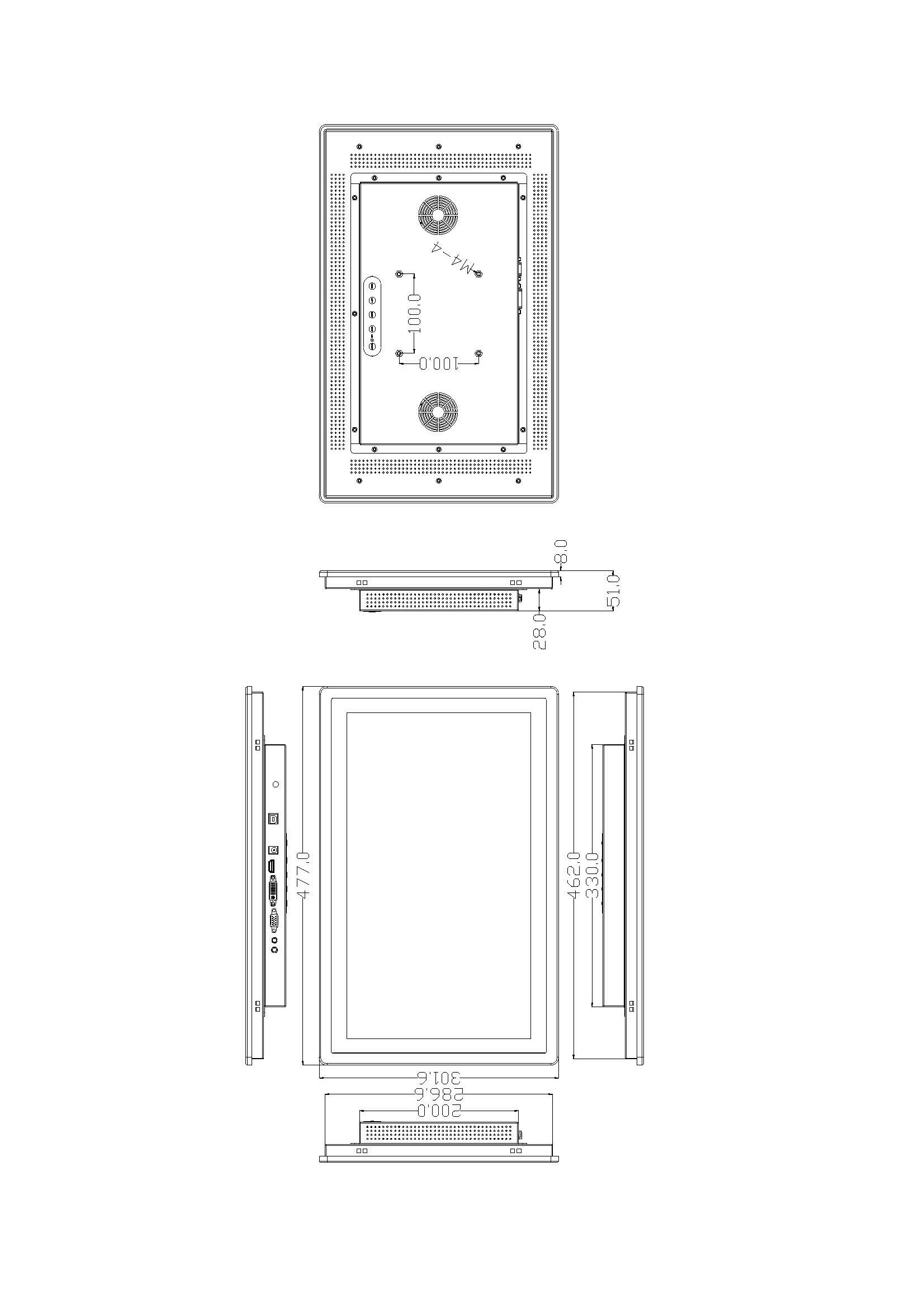
Riferimento dimensionale per l'integrazione delle apparecchiature
Selezionate le dimensioni del vostro display per esaminare i layout meccanici, le interfacce e le configurazioni touch tipiche dei progetti di apparecchiature, e le configurazioni touch utilizzate nei progetti di apparecchiature.
Altre dimensioni e configurazioni sono definite dal montaggio/taglio, dalla mappatura delle interfacce e dall'ambiente di installazione.
Guida alla selezione della configurazione
Valutare la direzione della struttura in base al metodo di integrazione, architettura dell'interfaccia e delle condizioni di impiego.
Tipi di configurazione del display
Configurazioni strutturali comuni utilizzate nell'integrazione delle apparecchiature. Ogni tipo comprende note di integrazione e opzioni definite dal progetto.
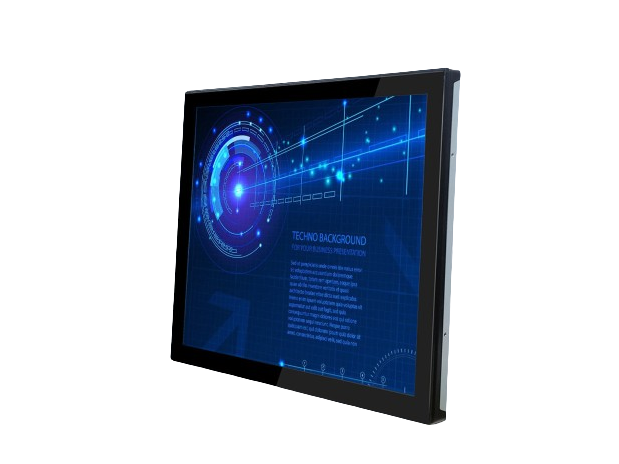
Telaio aperto
Progettato per il montaggio interno all'interno di custodie personalizzate. Il metodo di fissaggio e la tenuta frontale sono definiti dal design dell'involucro.
Visualizza il telaio aperto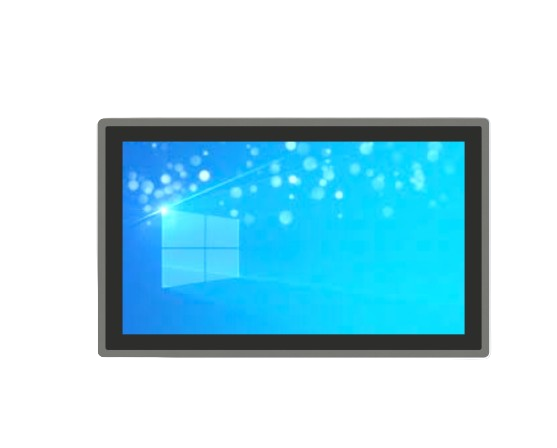
Montaggio a pannello
Installato in un ritaglio di pannello con ritenzione della cornice. L'installazione sul lato anteriore e la strategia di sigillatura sono definite dal progetto.
Vista Montaggio a pannello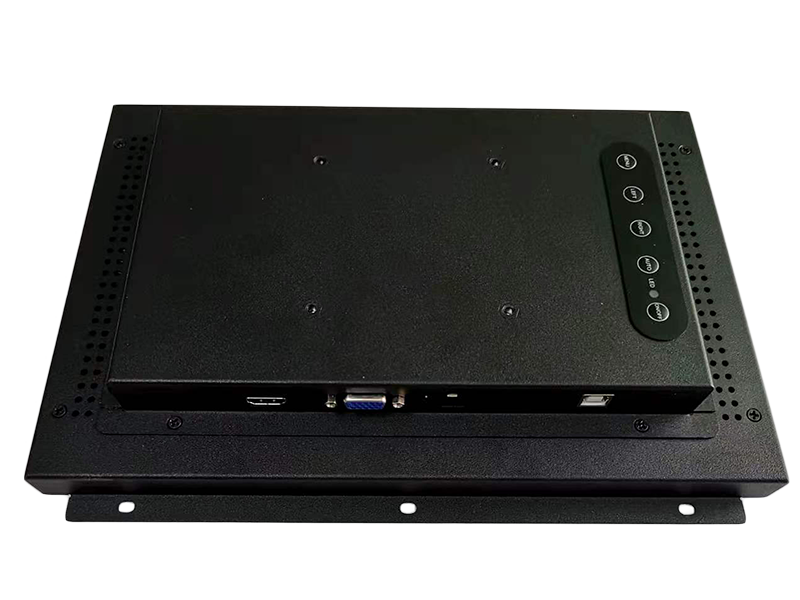
Montaggio VESA
Configurato con schemi di montaggio VESA per l'integrazione su braccio, staffa o per l'integrazione a parete.
Visualizza le opzioni VESAPer le installazioni all'aperto o in condizioni difficili, la configurazione è definita dall'esposizione, temperatura e dalla tenuta dell'involucro.
Visualizza le configurazioni per esterniVincoli di distribuzione che guidano la configurazione
Nei programmi delle apparecchiature, la configurazione dei monitor è determinata dal ciclo di lavoro, dal ciclo di lavoro, dal design dell'involucro, dall'accesso al servizio e dalle condizioni del sito. Questi vincoli definiscono in genere la struttura e l'approccio costruttivo.
Ciclo di lavoro 24/7
L'approccio termico e le scelte dei componenti sono impostati per il funzionamento continuo.
Accesso al servizio
Il montaggio e il passaggio dei cavi sono allineati alle esigenze di manutenzione e sostituzione.
Integrazione dell'involucro
Il ritaglio, il metodo di fissaggio e la sigillatura frontale sono definiti dal progetto del mobile.
Condizioni del sito
La temperatura, la luce del sole, la polvere e l'acqua e il rischio di manipolazione determinano il risultato finale.
Controllo della configurazione nei programmi OEM
Nei programmi di apparecchiature a lungo termine, la configurazione del monitor è gestita attraverso linee di base di revisione definite e la notifica formale delle modifiche per mantenere la stabilità dell'integrazione nei lotti di produzione.
- Revisione Baseline: la configurazione approvata diventa un riferimento controllato (forma-funzione).
- Disciplina PCN: le modifiche ai componenti o alla progettazione seguono una notifica strutturata con tempi di consegna concordati.
- Tracciabilità: Le revisioni, la portata delle modifiche e le date di entrata in vigore sono documentate per garantire la continuità del programma.
Punti di controllo definiti
- Punto di congelamento della distinta base: La configurazione entra nel controllo di revisione dopo l'approvazione del campione.
- Tempi di realizzazione delle modifiche: allineati ai requisiti del ciclo di convalida e della pianificazione delle scorte.
- Alternative approvate: documentata laddove la mitigazione del rischio o la continuità della fornitura lo richiedano.
Stabilità del ciclo di vita per programmi di apparecchiature a lungo termine
Le implementazioni OEM spesso durano diversi anni. La configurazione del display deve rimanere stabile per evitare riprogettazioni, riconvalide e interruzioni sul campo durante il ciclo di vita del programma.
Consapevolezza del ciclo di vita del pannello
La selezione del panel tiene conto dello stato del ciclo di vita del produttore e del rischio di interruzione.
Coerenza da lotto a lotto
L'adattamento meccanico e le prestazioni ottiche rimangono allineate nei vari cicli di produzione.
Pianificazione della continuità
I potenziali rischi di fornitura o di componenti sono valutati nel contesto della durata del programma.
Documentazione della revisione del programma
La documentazione viene fornita nell'ambito dell'ambito concordato e dell'NDA, ove richiesto.
- Pacchetto ingegneria: disegno schematico, riferimento al ritaglio, note di montaggio
- Definizione dell'interfaccia: mappatura del segnale, note USB/HID a sfioramento
- Registrazione della revisione della distinta base: base controllata e alternative approvate
- Avvisi PCN / ECN: ambito di modifica documentato e date di entrata in vigore
- Tracciabilità della produzione: identificazione del lotto (definita dal programma)
- Documentazione di conformità: fornito quando applicabile
Le aspettative di revisione (documenti richiesti, tempi di realizzazione del PCN, durata del programma) possono essere allineate durante la discussione del progetto.
Flusso di lavoro strutturato
Input chiari. Risultati definiti. Dalle specifiche alla produzione.
Confermare i vincoli e definire la direzione della configurazione.
- Dimensione / luminosità
- Elenco delle interfacce (HDMI / DP / LVDS / eDP)
- Metodo di montaggio
- Temperatura di esercizio
- Requisiti per il tatto (guanto / bagnato se necessario)
Campione ingegneristico e convalida rispetto alle condizioni operative.
Esecuzione pilota, quindi produzione ripetibile con revisioni controllate.
Condividete ciò che avete: vi risponderemo con la direzione della configurazione e i prossimi passi.
Monitor industriali FAQ
Domande chiave di ingegneria e integrazione.
Revisione ingegneristica
Inviate i dettagli della vostra applicazione. Risponderemo con la direzione della configurazione e le fasi successive.