Industrial Rugged Tablet for Harsh & Controlled Environments
Engineering-driven selection for deployments where dust, water, drops, vibration, sunlight, gloves, and lifecycle consistency define success.
Rugged is not a label — it’s an engineering trade-off
A rugged tablet is defined by how sealing, thermal behavior, mechanical survivability, usability, and serviceability are balanced as a system.
This page explains how we evaluate rugged requirements and map them into a controllable configuration direction for OEM / SI deployments — including what to prioritize e what not to over-spec.
You’ll see how rugged decisions are made based on failure modes: water/dust exposure, drops, vibration, sunlight usability, continuous duty thermal load, and maintenance constraints.
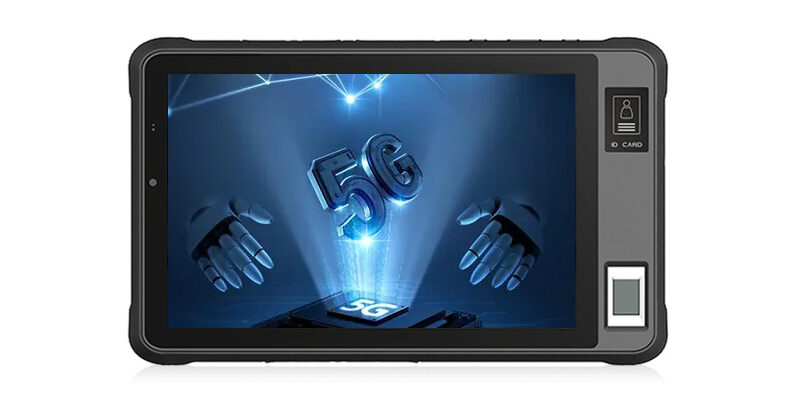
Deployment-first evaluation: environment + mechanics + usability + lifecycle + service strategy.
What this rugged tablet platform covers
Not a single retail model. A configurable platform delivered through project-based OEM/ODM workflows.
- IP strategy: IP65 / IP67 / IP68 (project-selected)
- Condensation / fog risk planning
- Outdoor sunlight usability approach
- Drop / shock / vibration mapping by scenario
- Mounting & docking considerations
- Service access vs sealing trade-offs
- OS image consistency and controllability (project-based)
- Interface layout defined by integration needs
- Stable BOM direction + change control planning
Selected by engineering stakeholders — not retail buyers
Built for integration projects where rugged protection must remain usable and maintainable across service cycles.
Integration-led deployment
Logistics, vehicle systems, automation, energy — where environment and downtime risk must be controlled.
Terminal / subsystem inside machines
Deploying rugged tablets as HMI/control terminals with defined mounting, interfaces, and service strategy.
Multi-year stability
Planning deployments where replacement, configuration consistency, and maintenance access matter.
If your priority is retail pricing ou consumer refresh cycles, or you can’t define environment/mounting constraints, a different device class may fit better.
Capabilities mapped to real failure modes
Sealing, thermal, mechanics, usability, interfaces, and lifecycle must be evaluated as one system.
IP rating is a design decision, not a badge
- Higher sealing can restrict thermal dissipation and interface flexibility
- Vehicle/embedded systems may prefer partial sealing for serviceability
- Protection level selected by environment + cable routing + maintenance strategy
Ruggedness depends on usage, not labels
- Handheld drops ≠ vehicle vibration ≠ fixed-mount stress
- Chassis reinforcement and mounting method define survivability
- Validation focus is scenario-driven (project-defined)
Sealing, brightness, and duty cycle must coexist
- High brightness + sealed enclosure increases thermal load
- Performance is sized for workload, not benchmarks
- Worst-case operation planning prevents field degradation
Usability failures are still failures
- Sunlight usability needs optical strategy (not “nits only”)
- Glove/wet operation tuning + false-touch control
- Contamination conditions considered in selection
More ports can increase failure points
- Interface layout optimized for integration and cable routing
- Sealing strategy designed with maintenance access
- Docking / external power considered for vehicle use
True ruggedness lasts beyond the first batch
- Stable BOM direction + configuration consistency
- Controlled change via PCN/ECO planning (project-based)
- Replacement & service strategy supports long-term deployments
OS strategy supports rugged deployment stability
For rugged deployments, OS behavior must remain predictable across batches and service cycles.
Android (or other OS options) is treated as a deployment-controlled system layer, not a novelty feature. The goal is consistency and controllability, aligned with your project lifecycle.
- Version selection aligned with driver maturity and validation effort
- Image consistency and service restrictions (project-based)
- Boot/recovery behavior tuning and device-level controls
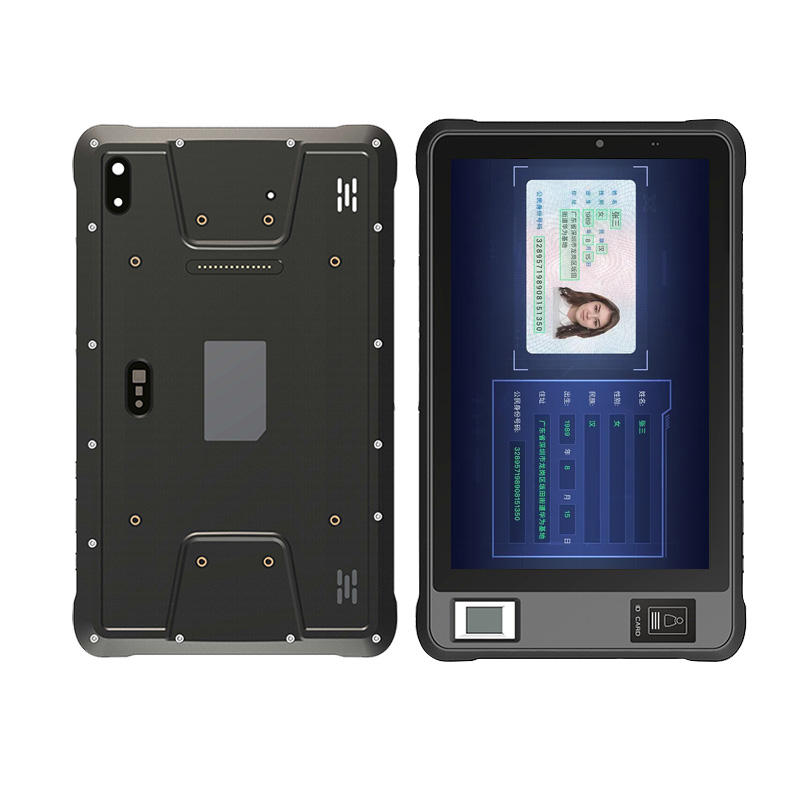
Controlled system behavior reduces field surprises: consistent images, restricted services, predictable recovery.
Rugged selection is driven by failure modes
We map rugged direction from what actually breaks systems: sealing + vibration + sunlight usability + thermal + service access.
Warehouse & mobile handling
High-frequency handling, drops, dust, glove operation.
Outdoor inspection & data capture
Sunlight, rain, wet touch, temperature variation.
Vehicle-mounted terminals
Docking stress, continuous vibration, external power.
Harsh outdoor & long duty cycles
Exposure, long service life, limited maintenance access.
Mission-critical operations
Predictable behavior under stress and controlled configuration.
Start with constraints — we return a rugged direction
Send your deployment constraints and we’ll map rugged trade-offs into a configuration approach (project-based).
- Environment (indoor/outdoor, temperature, moisture/dust/oil/chemicals)
- Usage (handheld / vehicle-mounted / fixed installation)
- Mechanical risks (drop, vibration source, mounting method)
- Usability needs (sunlight, gloves, wet operation)
- Power strategy (battery, external power, ignition)
- Lifecycle & scale (years, volume, consistency requirements)
- Recommended rugged direction (IP / structure / thermal approach)
- Key trade-offs & risk items
- Configuration approach and feasibility notes
- Lead-time range (project-based)
Rugged questions answered with engineering logic
These answers clarify trade-offs to prevent “badge-driven” selection mistakes.
Revisão de engenharia
Envie os detalhes da sua aplicação. Responderemos com orientações de configuração e próximos passos.