Guia do comprador do fornecedor de ecrãs industriais para equipamento OEM

Introdução As interfaces homem-máquina (IHM) são atualmente componentes normais dos equipamentos industriais modernos. Os ecrãs permitem aos operadores ...
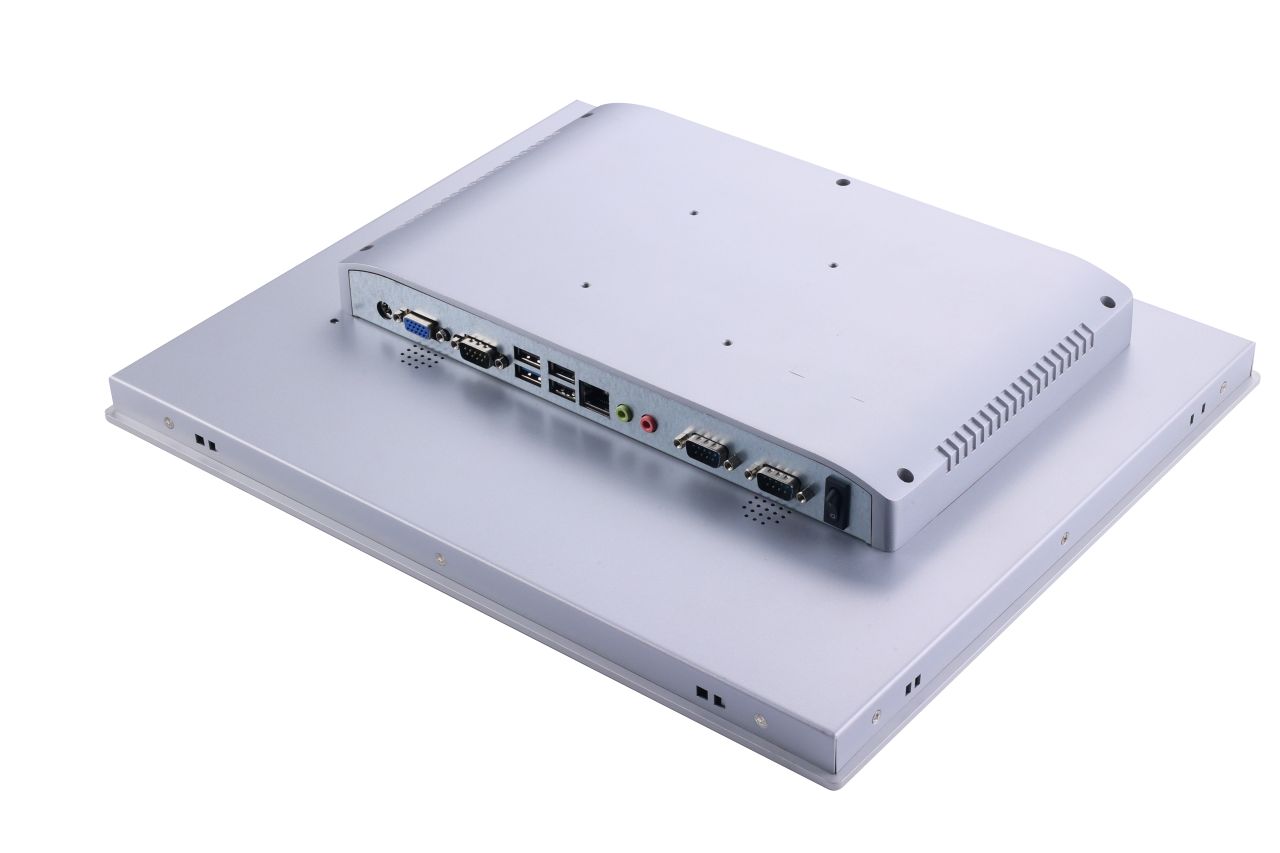
Na automação industrial, a computação incorporada desempenha um papel fundamental no controlo em tempo real, na aquisição de dados, na inteligência de ponta e na comunicação ao nível da máquina. Entre as várias arquitecturas disponíveis, computadores incorporados sem ventoinha são cada vez mais preferidos porque fornecem maior fiabilidade operacional, melhor tempo de atividade, manutenção reduzida e ciclos de vida longos dos produtos-especialmente em ambientes agressivos onde o pó, a vibração e as oscilações de temperatura são comuns.
A computador incorporado sem ventoinha é um sistema informático robusto concebido para um funcionamento contínuo sem as tradicionais ventoinhas de arrefecimento. Em vez de fluxo de ar ativo, estes sistemas dependem de conceção térmica passiva, como dissipadores de calor de grande superfície, materiais de chassis optimizados e condução de calor eficiente, para dissipar o calor do sistema enquanto permanece selado contra contaminantes.
Ao contrário dos PCs de secretária com ventoinhas que puxam o ar ambiente através do chassis, os computadores incorporados sem ventoinhas utilizam um arrefecimento passivo avançado para manter temperaturas de funcionamento seguras, mesmo com cargas de trabalho constantes.
As ventoinhas tradicionais estão entre os componentes mais propensos a falhas nos computadores industriais devido às peças móveis e à suscetibilidade ao pó. Ao eliminar os conjuntos de ventoinhas, os computadores incorporados sem ventoinhas reduzem significativamente as falhas mecânicas. Isto aumenta Tempo médio entre falhas (MTBF) e reduz o tempo de inatividade não programado - essencial para sistemas que têm de funcionar 24 horas por dia, 7 dias por semana.
Este simplificação ao nível dos componentes traduz-se em menos intervenções de serviço e menor risco de funcionamento - especialmente em pisos de fábricas poeirentos, fábricas de processamento de alimentos e portões exteriores.
Os designs sem ventoinha não requerem fluxo de ar através do sistema, o que significa que podem ser completamente selados. Isto evita que o pó, detritos e contaminantes entrem nos circuitos sensíveis - uma vantagem importante quando os sistemas tradicionais arrefecidos por ventoinha acumulam rapidamente partículas que degradam o desempenho e a fiabilidade.
Os armários selados sem ventoinha são especialmente valiosos em ambientes com vibrações intensas, como linhas de montagem de automóveis, salas de maquinaria pesada e centros logísticos.
A ausência de ventoinhas resulta num funcionamento quase silencioso, eliminando o ruído associado aos sistemas de arrefecimento tradicionais. Para ambientes industriais onde a perturbação acústica é uma preocupação - tais como laboratórios, salas de controlo ou escritórios - os sistemas sem ventoinhas contribuem para um ambiente operacional mais silencioso.
Sem filtros de ventilador ou caminhos de ar para limpar, a manutenção contínua torna-se mais simples e menos frequente.
Os computadores incorporados sem ventoinha incorporam frequentemente CPUs incorporadas de baixo consumo que geram menos calor e requerem menos energia de arrefecimento. Isto traduz-se em:
O funcionamento energeticamente eficiente alinha-se com os objectivos de sustentabilidade das empresas modernas e reduz o custo total de propriedade durante longos ciclos de vida.
Os computadores incorporados sem ventoinha são concebidos especificamente para ambientes onde a fiabilidade e a longevidade não são negociáveis:
A sua arquitetura selada e o arrefecimento passivo tornam-nos ideais para aplicações em que é necessária resistência ao pó, flexibilidade de temperatura e funcionamento sem manutenção.
Os sistemas sem ventoinha dependem principalmente de mecanismos de arrefecimento passivo, tais como:
Utilizando uma condução térmica eficiente e um design de chassis, os computadores incorporados sem ventoinha mantêm temperaturas internas seguras sem aspirar ar através do chassis. Isto evita a entrada de pó, melhora a longevidade e aumenta a estabilidade operacional em ambientes difíceis.
A escolha do computador incorporado sem ventoinha adequado requer uma avaliação holística dos requisitos do projeto:
Selecionar processadores e arquitecturas que correspondam à aplicação:
Certifique-se de que o sistema suporta as gamas de temperatura e as tolerâncias de vibração necessárias. Os sistemas sem ventoinha funcionam frequentemente de forma fiável em intervalos de temperatura alargados de -20°C a 70°C ou mais, consoante a conceção.
Avalie os requisitos de E/S, tais como portas de série (RS-232/RS-485), múltiplas interfaces LAN, USB e interfaces industriais especializadas. Isto assegura uma integração perfeita com sensores, actuadores e barramentos industriais.
As implementações industriais duram frequentemente muitos anos. Confirme que o fornecedor pode fornecer suporte, actualizações de firmware e peças de substituição. A certificação de acordo com as normas relevantes do sector também aumenta a confiança.
Tenha em conta os custos de manutenção, o consumo de energia e a esperança de vida útil. Os projectos sem ventoinha fornecem normalmente menor custo operacional total devido a um maior tempo de atividade e a uma manutenção reduzida.
Os computadores incorporados sem ventoinha são uma solução de computação robusta e eficiente para aplicações industriais modernas e de computação periférica. Ao eliminarem as peças móveis e dependerem do arrefecimento passivo, proporcionam maior fiabilidade, menor manutenção, desempenho silencioso e eficiência energética. Para as empresas que procuram sistemas fiáveis 24 horas por dia, 7 dias por semana, que se desenvolvam em ambientes com poeiras, vibrações intensas ou temperaturas desafiantes, a computação incorporada sem ventoinha é frequentemente a escolha preferida.
Ao avaliar os sistemas sem ventoinha, os compradores devem ter em conta as necessidades de desempenho, as condições ambientais e o apoio a longo prazo para garantir a melhor seleção. Um computador incorporado sem ventoinha bem escolhido não só melhora o tempo de atividade do sistema, como também reduz o custo total de propriedade e suporta o crescimento futuro.
Introdução As interfaces homem-máquina (IHM) são atualmente componentes normais dos equipamentos industriais modernos. Os ecrãs permitem aos operadores ...
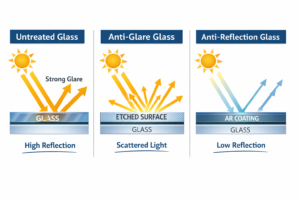
Introdução Os ecrãs industriais são frequentemente utilizados em ambientes onde as condições de iluminação são difíceis de controlar. Equipamento ...
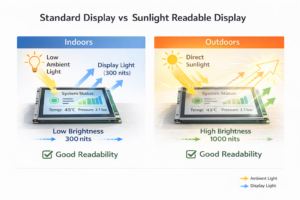
Introdução Os ecrãs são um componente de interface crítico em muitos tipos de equipamento industrial. Fornecem ao sistema ...
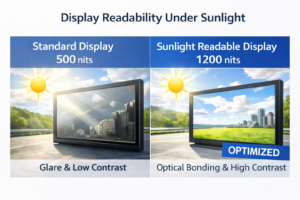
Introdução A visibilidade do ecrã é um parâmetro de conceção fundamental nos equipamentos industriais. Os operadores confiam nas interfaces gráficas ...
Envie os detalhes da sua aplicação. Responderemos com orientações de configuração e próximos passos.