Guía del comprador de pantallas industriales para equipos OEM

Introducción Las interfaces hombre-máquina (IHM) son actualmente componentes estándar de los equipos industriales modernos. Las pantallas permiten a los operarios ...
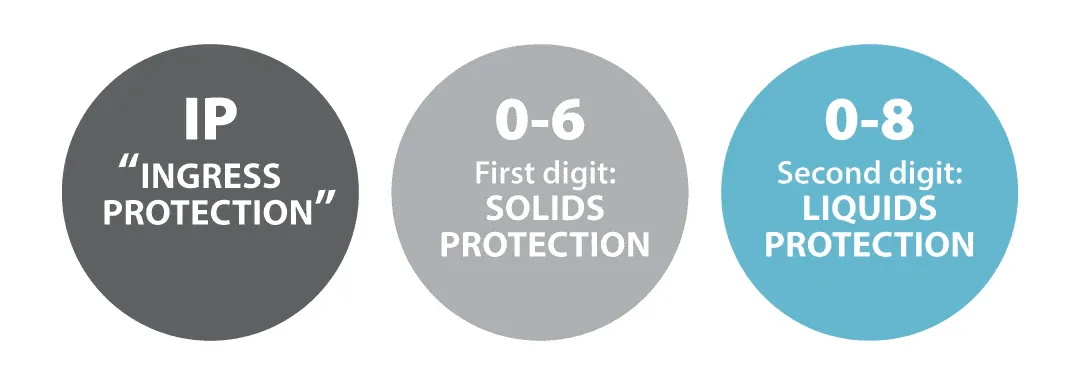
En proyectos industriales de Panel PC, Grado de protección IP (Ingress Protection) suele especificarse pronto como requisito obligatorio, por ejemplo Protección frontal IP65 o protección total IP65.
Sin embargo, desde el punto de vista de la ingeniería, una clasificación IP más alta no se traduce automáticamente en una mayor fiabilidad del sistema.
Para Panel PC diseñados para Funcionamiento 24/7, asistencia a lo largo del ciclo de vida y gestión controlada de la lista de materiales, La clasificación IP debe tratarse como un restricción de diseño, y no un objetivo de rendimiento independiente.
Este artículo explica cómo afecta la clasificación IP comportamiento térmico, estabilidad del sistema y fiabilidad a largo plazo, y destaca los escollos más comunes en los proyectos industriales.
En entornos industriales, la clasificación IP describe principalmente:
Los requisitos típicos de los proyectos de Panel PC incluyen:
⚠️ Es importante tenerlo en cuenta:
La clasificación IP no define el rendimiento térmico, la vida útil del sistema ni la capacidad de servicio.
Aumentar la clasificación IP casi siempre requiere sellado más resistente, que afecta directamente a múltiples factores de diseño del sistema.
Como resultado:
👉 A medida que aumenta la clasificación IP, el diseño térmico se convierte en la limitación dominante del sistema.
Un error común es:
“Un mejor sellado siempre mejora la durabilidad”.”
En realidad:
Para Panel PC en funcionamiento continuo,
la gestión térmica tiene a menudo un mayor impacto en el MTBF que la protección contra la entrada por sí sola.
Los diseños totalmente sellados suelen implicar:
En despliegues a largo plazo o a gran escala,
La estrategia de mantenimiento es tan crítica como la protección del medio ambiente.
“IP65” se incluye a menudo en las especificaciones sin definir donde se aplica la protección, aunque las implicaciones de ingeniería difieren significativamente.
El más adecuado para:
Ventajas:
El más adecuado para:
Implicaciones para la ingeniería:
👉 La protección IP total debe depender de las condiciones de instalación, no de una especificación predeterminada.
En proyectos reales, los grados de protección IP se especifican con frecuencia más allá de las necesidades medioambientales reales:
El resultado suele ser:
La mejor práctica de ingeniería consiste en especificar únicamente el nivel de protección requerido por el entorno real.
En lugar de tratarse como un requisito aislado, la clasificación IP debe evaluarse junto con:
La clasificación IP es una variable del diseño del sistema, no el objetivo de diseño en sí.
Para Panel PC industriales:
Antes de bloquear los requisitos IP, especialmente para sistemas de alto ciclo de trabajo,
a menudo es aconsejable revisar conjuntamente el diseño del recinto, los márgenes térmicos y los riesgos operativos.
La clasificación IP se refiere a la exposición ambiental.
El diseño del sistema determina la fiabilidad a largo plazo.
Uno no puede sustituir al otro.
Introducción Las interfaces hombre-máquina (IHM) son actualmente componentes estándar de los equipos industriales modernos. Las pantallas permiten a los operarios ...
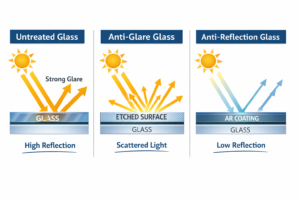
Introducción Las pantallas industriales se instalan con frecuencia en entornos en los que las condiciones de iluminación son difíciles de controlar. Equipos ...
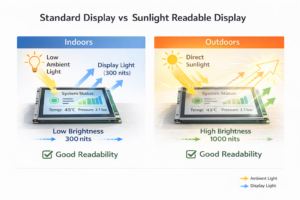
Introducción Las pantallas son un componente de interfaz crítico en muchos tipos de equipos industriales. Proporcionan al sistema ...
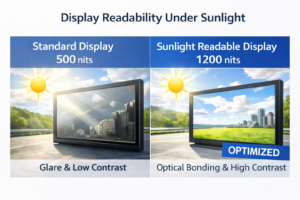
Introducción La visibilidad de las pantallas es un parámetro de diseño fundamental en los equipos industriales. Los operarios confían en las interfaces gráficas ...
Envíe los detalles de su solicitud. Le responderemos con la dirección de configuración y los siguientes pasos.