Guía del comprador de pantallas industriales para equipos OEM

Introducción Las interfaces hombre-máquina (IHM) son actualmente componentes estándar de los equipos industriales modernos. Las pantallas permiten a los operarios ...
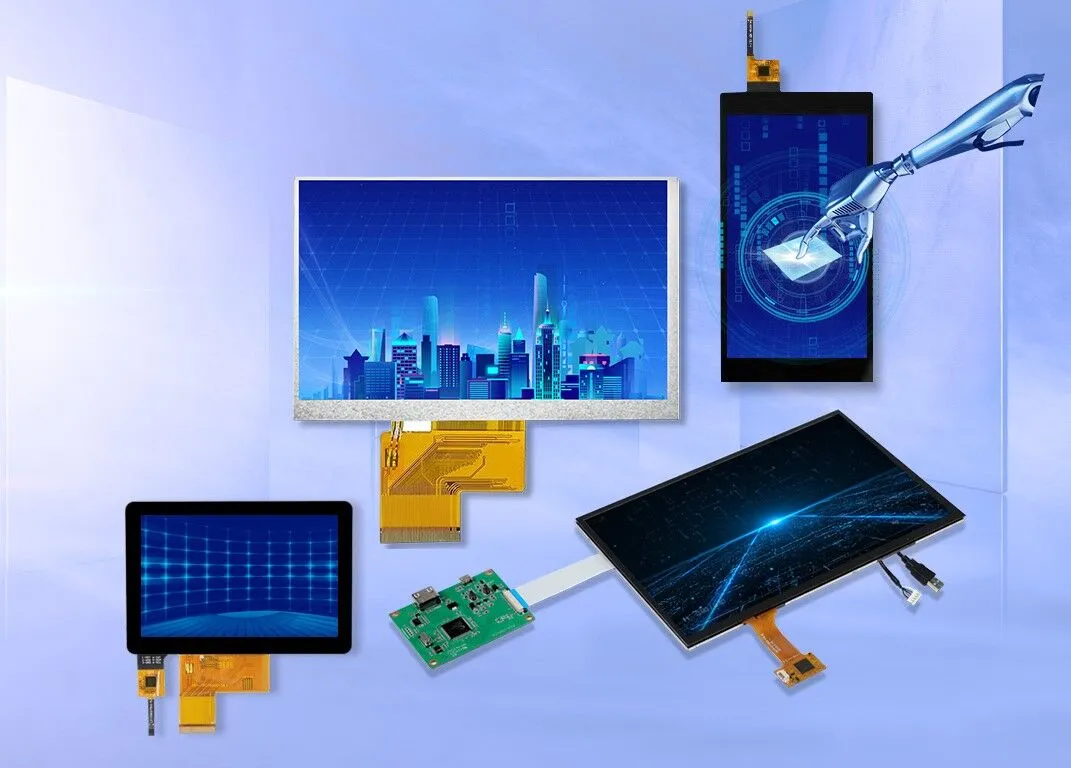
En proyectos industriales de Panel PC y monitores, Selección de interfaz LCD a menudo se trata como un detalle secundario: mientras la pantalla “se encienda”, se supone que la interfaz es aceptable.
En la práctica, sin embargo, la elección de la interfaz suele determinar estabilidad del sistema, riesgo de CEM, limitaciones de los cables y viabilidad del suministro a largo plazo..
Este artículo se centra en cómo deben evaluar los fabricantes de equipos originales y los integradores de sistemas las interfaces LCD en entornos industriales, no desde el punto de vista de la electrónica de consumo, sino desde una perspectiva desde el punto de vista del despliegue, el ciclo de vida y los riesgos de ingeniería.
A diferencia de las pantallas de consumo, los PC industriales y los monitores suelen ser:
En este contexto, una interfaz LCD no es sólo una ruta de señal -
pasa a formar parte del sistema de fiabilidad y estrategia de ciclo de vida.
Los sistemas industriales suelen utilizar las siguientes interfaces:
Cada interfaz tiene sus puntos fuertes, pero ninguno es universalmente “el mejor”.”
La elección correcta depende de cómo se instale, utilice y mantenga el sistema.
LVDS sigue utilizándose ampliamente en los Panel PC industriales y las pantallas integradas, a pesar de considerarse “heredado” en los mercados de consumo.
👉 LVDS suele ser la opción más segura para sistemas industriales a largo plazo y con revisión controlada, especialmente cuando la resolución y la selección de paneles se fijan con antelación.
La eDP es cada vez más común en las plataformas integradas modernas y en los diseños de Panel PC compactos.
👉 La eDP funciona mejor cuando la pantalla se trata como un subsistema integrado, no como un componente reemplazable sobre el terreno.
HDMI y DP son atractivos por su disponibilidad y facilidad de conexión, pero introducen riesgos en las implantaciones industriales.
👉 HDMI/DP son más adecuados para conexiones internas cortas o sistemas semi-industriales, no para entornos de larga duración, sellados o con alto nivel de EMI.
En lugar de comparar las interfaces únicamente por sus especificaciones, los proyectos industriales deberían evaluarlas a través de estas dimensiones:
Una interfaz que funciona bien en un entorno de laboratorio puede presentar riesgos inesperados una vez desplegada sobre el terreno.
En los proyectos del mundo real, los problemas relacionados con la interfaz suelen deberse a:
Estos problemas suelen surgir después de las construcciones piloto o durante la certificación, cuando los cambios son más costosos.
En el diseño de Panel PC y monitores industriales, la interfaz LCD debe seleccionarse junto con:
La elección de la interfaz es una decisión de ingeniería a nivel de sistema, no es una especificación de pantalla independiente.
En entornos industriales:
Seleccionar la interfaz más “nueva” no garantiza un sistema más fiable.
Selección del la interfaz más adecuada para el contexto de implantación lo hace.
La selección de la interfaz LCD influye en mucho más que la transmisión de imágenes.
Afecta a la estabilidad del sistema, la capacidad de servicio y la fiabilidad a largo plazo.
Elija en función de la realidad del despliegue, no de la popularidad de la interfaz.
Introducción Las interfaces hombre-máquina (IHM) son actualmente componentes estándar de los equipos industriales modernos. Las pantallas permiten a los operarios ...
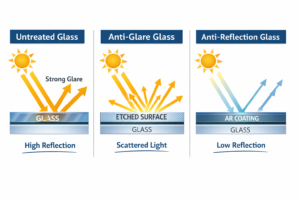
Introducción Las pantallas industriales se instalan con frecuencia en entornos en los que las condiciones de iluminación son difíciles de controlar. Equipos ...
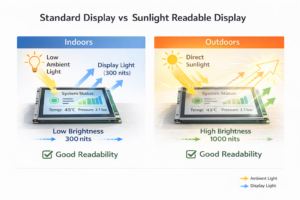
Introducción Las pantallas son un componente de interfaz crítico en muchos tipos de equipos industriales. Proporcionan al sistema ...
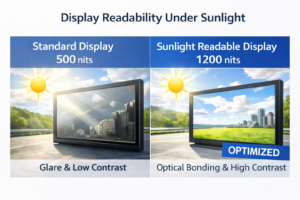
Introducción La visibilidad de las pantallas es un parámetro de diseño fundamental en los equipos industriales. Los operarios confían en las interfaces gráficas ...
Envíe los detalles de su solicitud. Le responderemos con la dirección de configuración y los siguientes pasos.