Guida all'acquisto dei fornitori di display industriali per le apparecchiature OEM

Introduzione Le interfacce uomo-macchina (HMI) sono ormai componenti standard delle moderne apparecchiature industriali. I display consentono agli operatori di ...
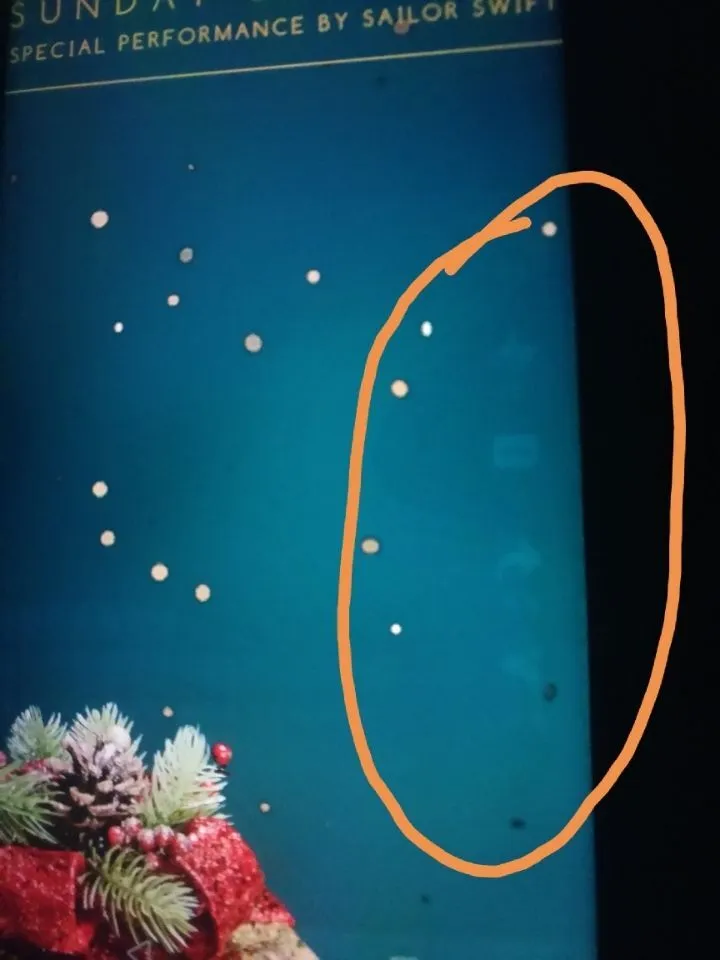
La conservazione dell'immagine, comunemente chiamata fantasma, descrive una condizione in cui, dopo la modifica dell'immagine, rimangono visibili deboli tracce del contenuto precedentemente visualizzato.
In applicazioni industriali LCD TFT, il ghosting è in genere non è un difetto del prodotto, ma un comportamento di visualizzazione risultante dall'opzione effetto combinato delle caratteristiche del pannello, del metodo di guida, dell'ambiente operativo e del modello di utilizzo dell'applicazione.
La comprensione di questa distinzione è fondamentale quando si valuta l'idoneità dei display per le implementazioni a lungo termine o mission-critical.
Da un punto di vista ingegneristico, conservazione dell'immagine osservati negli LCD TFT possono derivare da diversi meccanismi. L'identificazione del tipo aiuta a determinare se il rischio può essere ridotto attraverso decisioni di selezione o di integrazione.
Conservazione temporanea delle immagini
Trattenimento per guida o pregiudizio
Ritenzione legata al degrado a lungo termine
Non tutti i fattori che contribuiscono sono ugualmente controllabili. Dal punto di vista della progettazione del sistema, è importante distinguere tra parametri controllabili dalla progettazione e vincoli applicativi.
| Fattore | Controllo ingegneristico | Note |
|---|---|---|
| Tempo di risposta dell'LCD | Alto | Valutati durante la selezione del panel |
| Abbinamento della scheda driver | Alto | La compatibilità elettrica è fondamentale |
| Rapporto statico dell'interfaccia utente | Medio | Fortemente legato alla progettazione dell'applicazione |
| Temperatura di esercizio | Medio | Gestione termica a livello di sistema |
| Invecchiamento del pannello | Basso | Comportamento intrinseco del ciclo di vita |
Il rischio di ghosting è raramente attribuibile a un singolo parametro; di solito è il risultato di condizioni marginali multiple che si sovrappongono.
La probabilità di formazione di immagini varia in modo significativo a seconda dell'utilizzo del display sul campo.
Capire dove si colloca un'applicazione all'interno di questo spettro è spesso più importante che concentrarsi solo sulle specifiche del pannello.
Piuttosto che affidarsi alla mitigazione post-deployment, il rischio di ghosting dovrebbe essere valutato durante la fase di selezione e integrazione.
Le considerazioni principali includono:
Nessun LCD TFT può garantire una ritenzione dell'immagine pari a zero in tutte le condizioni; l'obiettivo è controllo del rischio, non l'eliminazione assoluta.
Nei progetti industriali, la conservazione dell'immagine si osserva più spesso quando Il comportamento dell'applicazione, l'azionamento elettrico e le condizioni termiche sono valutati indipendentemente piuttosto che come un sistema..
Durante le revisioni della selezione e dell'integrazione dei display, questi fattori vengono generalmente valutati insieme per determinare l'idoneità a lungo termine e il rischio operativo, in particolare per i sistemi HMI, kiosk e non presidiati 24 ore al giorno, 7 giorni su 7.
Si raccomanda una revisione tecnica se la domanda prevede:
Non siete sicuri che la vostra applicazione sia adatta a un funzionamento statico a lungo termine?
Condividete le vostre condizioni operative, il comportamento dell'interfaccia utente e i dettagli dell'ambiente con il nostro team di ingegneri per una revisione della fattibilità e dei rischi.
Questo contenuto è inteso come riferimento ingegneristico per la valutazione del comportamento del display e deve essere considerato nel contesto della progettazione di un sistema completo.
Introduzione Le interfacce uomo-macchina (HMI) sono ormai componenti standard delle moderne apparecchiature industriali. I display consentono agli operatori di ...
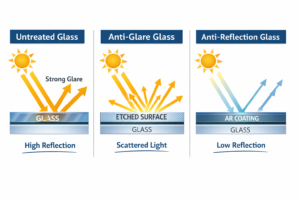
Introduzione I display industriali sono spesso utilizzati in ambienti in cui le condizioni di illuminazione sono difficili da controllare. Apparecchiature ...
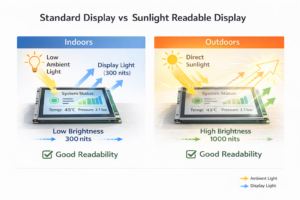
Introduzione I display sono un componente di interfaccia fondamentale in molti tipi di apparecchiature industriali. Forniscono al sistema ...
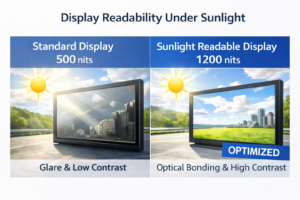
Introduzione La visibilità del display è un parametro critico nella progettazione delle apparecchiature industriali. Gli operatori si affidano alle interfacce grafiche ...
Inviate i dettagli della vostra applicazione. Risponderemo con la direzione della configurazione e le fasi successive.