Inleiding: Waarom aanraakmonitoren belangrijk zijn in DC snellaadsystemen
DC-snelladers spelen een cruciale rol in de moderne infrastructuur voor elektrische voertuigen (EV). Naarmate het laadvermogen toeneemt en de gebruikersinteractie complexer wordt, aanraakschermen zijn een belangrijke interfacecomponent geworden in DC snellaadstations.
In tegenstelling tot basisstatusweergaven moeten aanraakschermen in DC-snelladers ondersteuning bieden:
Duidelijke gebruikersbegeleiding
Veilige betalingsinteractie
Realtime oplaadinformatie
Betrouwbare werking in buitentoepassingen en industriële omgevingen
Dit artikel legt uit hoe aanraakmonitoren worden gebruikt in DC-snelladers, aan welke technische eisen ze moeten voldoen en waarom oplossingen van industriële kwaliteit essentieel zijn.
De rol van aanraakmonitoren in DC snelladers
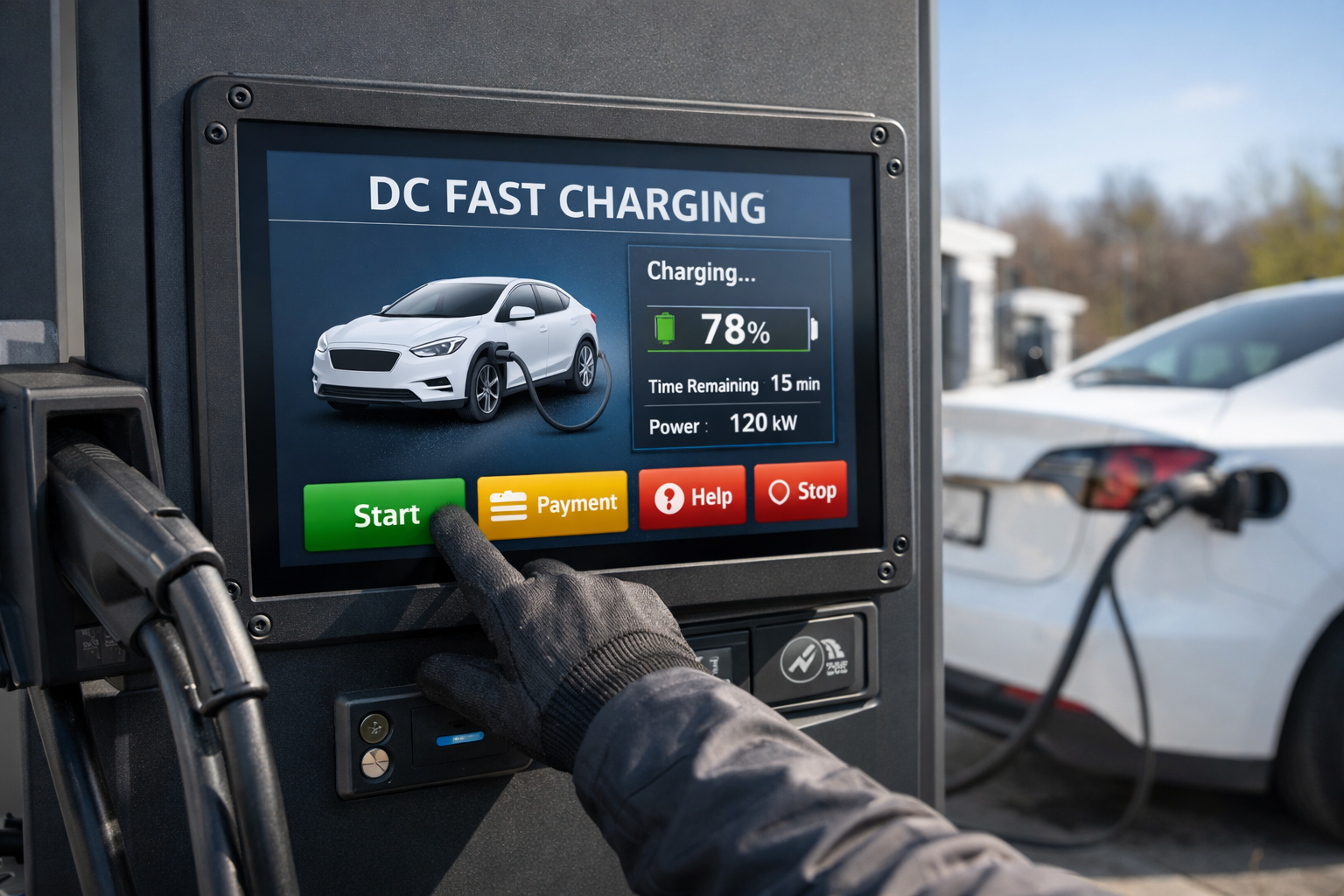
In DC-snellaadsystemen fungeren aanraakmonitoren als de primaire mens-machine-interface (HMI).
Zij zijn verantwoordelijk voor:
Gebruikersauthenticatie en sessiestart
Lader selecteren en statusweergave
Interactie betaling
Foutmeldingen en systeemfeedback
Omdat de aanraakmonitor de bruikbaarheid en betrouwbaarheid direct beïnvloedt, is het niet langer een optionele functie - het is een missiekritische component.
Belangrijkste technische vereisten voor DC Fast Charger Touch Monitors
1. Hoge helderheid en zichtbaarheid buiten
DC-snelladers worden vaak buiten of op semi-buitenlocaties geïnstalleerd. Aanraakschermen moeten leesbaar blijven onder:
Direct zonlicht
Sterke reflecties
Veranderende omgevingslichtomstandigheden
Industriële laders vereisen meestal beeldschermen met hoge helderheid gecombineerd met optische behandelingen zoals ontspiegeling of optische hechting.
2. Industriële duurzaamheid en milieubestendigheid
Aanraakschermen in EV-laders moeten bestand zijn:
Breed temperatuurbereik
Blootstelling aan stof en vocht
Continu openbaar gebruik
Om deze reden zijn industriële behuizingen, afgedichte voorpanelen en gehard dekglas worden vaak gebruikt.
3. Betrouwbare aanraakprestaties in echte omstandigheden
Laadstations worden gebruikt in verschillende omstandigheden, waaronder:
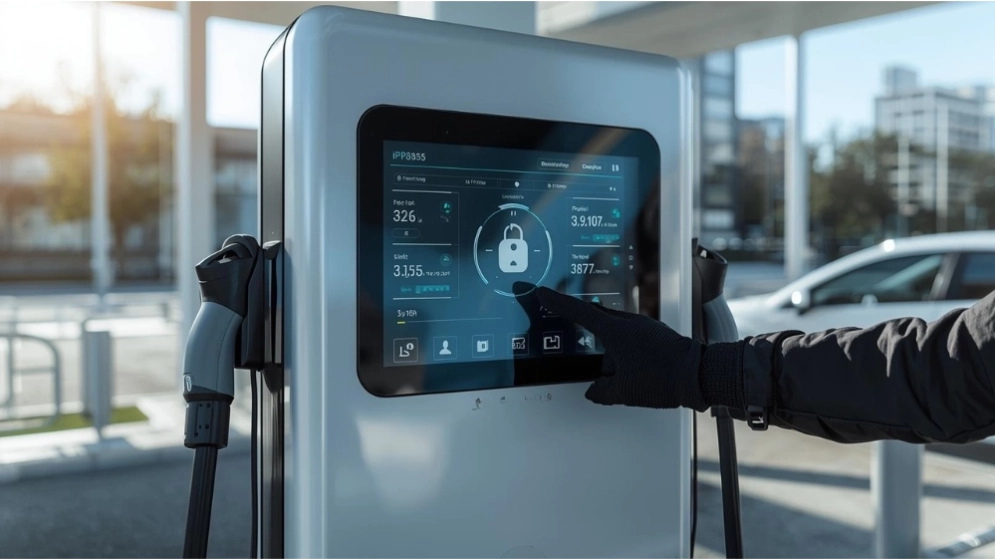
Gebruikers die handschoenen dragen
Natte of vochtige omgevingen
Koud weer
Aanraakmonitoren moeten goed worden afgesteld om te zorgen voor stabiele en nauwkeurige interactie, Zelfs als de omstandigheden niet ideaal zijn.
Aanrakingstechnologieën gebruikt in DC Snelladers
Geprojecteerde capacitieve touch (PCAP)
De PCAP aanraaktechnologie is de meest gebruikte optie in moderne DC-snelladers vanwege de:
Multi-touch mogelijkheid
Glad glasoppervlak
Ondersteuning voor dik dekglas
Lange levensduur
Het is vooral geschikt voor moderne gebruikersinterfaces en interactie met betalingen.
Alternatieve aanraakoplossingen
In bepaalde toepassingen kunnen andere aanraaktechnologieën worden overwogen, maar vaak gaat dit ten koste van de bruikbaarheid, duurzaamheid of flexibiliteit van de interface.
Naarmate laderinterfaces geavanceerder worden, PCAP is de voorkeursstandaard geworden voor DC-snellaadsystemen.
Overwegingen voor gebruikerservaring en interfaceontwerp
Een goed ontworpen aanraakinterface verbetert:
Waarneming laadsnelheid
Vertrouwen van de gebruiker
Foutreductie
Aanraakschermen inschakelen:
Stapsgewijze begeleiding bij het opladen
Duidelijke visuele feedback
Ondersteuning voor meerdere talen
Voor openbare EV-infrastructuur, gebruiksvriendelijkheid is direct gekoppeld aan klanttevredenheid en het gebruik van stations.
Beveiliging en systeemintegratie
Aanraakschermen in DC-snelladers zijn vaak geïntegreerd met:
Betalingssystemen
Netwerkconnectiviteit
Backend beheerplatforms
Dit vereist stabiele communicatie-interfaces en compatibiliteit op lange termijn met systeemupgrades.
Industriële aanraakmonitoren zijn ontworpen om het volgende te ondersteunen gecontroleerde specificaties en lange productlevenscycli, Integratierisico's verminderen.
Uitdagingen bij het ontwerp van een aanraakmonitor voor DC-snelladers
Ondanks hun voordelen worden aanraakschermen in EV-laders geconfronteerd met uitdagingen zoals:
Warmte gegenereerd door oplaadelektronica met hoog vermogen
Elektromagnetische interferentie (EMI)
Vandalisme en misbruik
Deze uitdagingen moeten worden aangepakt door juiste selectie van componenten, ontwerp van behuizingen en engineering op systeemniveau.
Industriële toepassingen van aanraakmonitoren in EV-oplaadinfrastructuur
Aanraakschermen worden nu veel gebruikt in:
Snellaadstations voor gelijkstroom
Stedelijke openbare oplaadpunten
Laadsystemen voor commerciële wagenparken
Parkeervoorzieningen en servicegebieden
Hun rol reikt verder dan alleen weergave - ze fungeren als de controle- en communicatiecentrum van het laadsysteem.
Veelgestelde vragen (FAQ)
Zijn aanraakschermen geschikt voor DC-snelladers buitenshuis?
Ja. Met de juiste helderheid, afdichting en afdekglas worden industriële aanraakmonitoren veel gebruikt in EV-laders voor buiten en semi-buiten.
Welke schermformaten worden vaak gebruikt in DC-snelladers?
Typische maten variëren van 10,1″ tot 21,5″, afhankelijk van de complexiteit van de interface en het ontwerp van de behuizing.
Waarom hebben industriële aanraakschermen de voorkeur boven consumentendisplays?
Industriële aanraakmonitoren bieden langdurige beschikbaarheid, omgevingsbestendigheid en stabiele prestaties, die cruciaal zijn voor infrastructuurprojecten.
Conclusie: Aanraakmonitoren als kernonderdeel van DC snelladers
Aanraakschermen zijn niet langer gewoon beeldschermen - ze zijn een centraal interface-element in moderne DC-snellaadsystemen.
Door intuïtieve interactie, veilige bediening en betrouwbare prestaties in veeleisende omgevingen mogelijk te maken, ondersteunen industriële aanraakmonitoren de voortdurende uitbreiding van EV-oplaadinfrastructuur wereldwijd.
Naarmate oplaadnetwerken zich uitbreiden en de verwachtingen van gebruikers stijgen, robuuste integratie van touchmonitors blijft essentieel voor een succesvol ontwerp van een DC-snellader.
Inleiding Bij het ontwerpen van industriële systemen heeft het kiezen van de juiste computerarchitectuur een directe invloed op de betrouwbaarheid van het systeem en de complexiteit van de integratie, ...
Inleiding Bij het ontwerpen van industriële apparatuur heeft de mens-machine-interface (MMI) een directe invloed op de bruikbaarheid, betrouwbaarheid en het onderhoud van het systeem. ...