Guia do comprador do fornecedor de ecrãs industriais para equipamento OEM

Introdução As interfaces homem-máquina (IHM) são atualmente componentes normais dos equipamentos industriais modernos. Os ecrãs permitem aos operadores ...
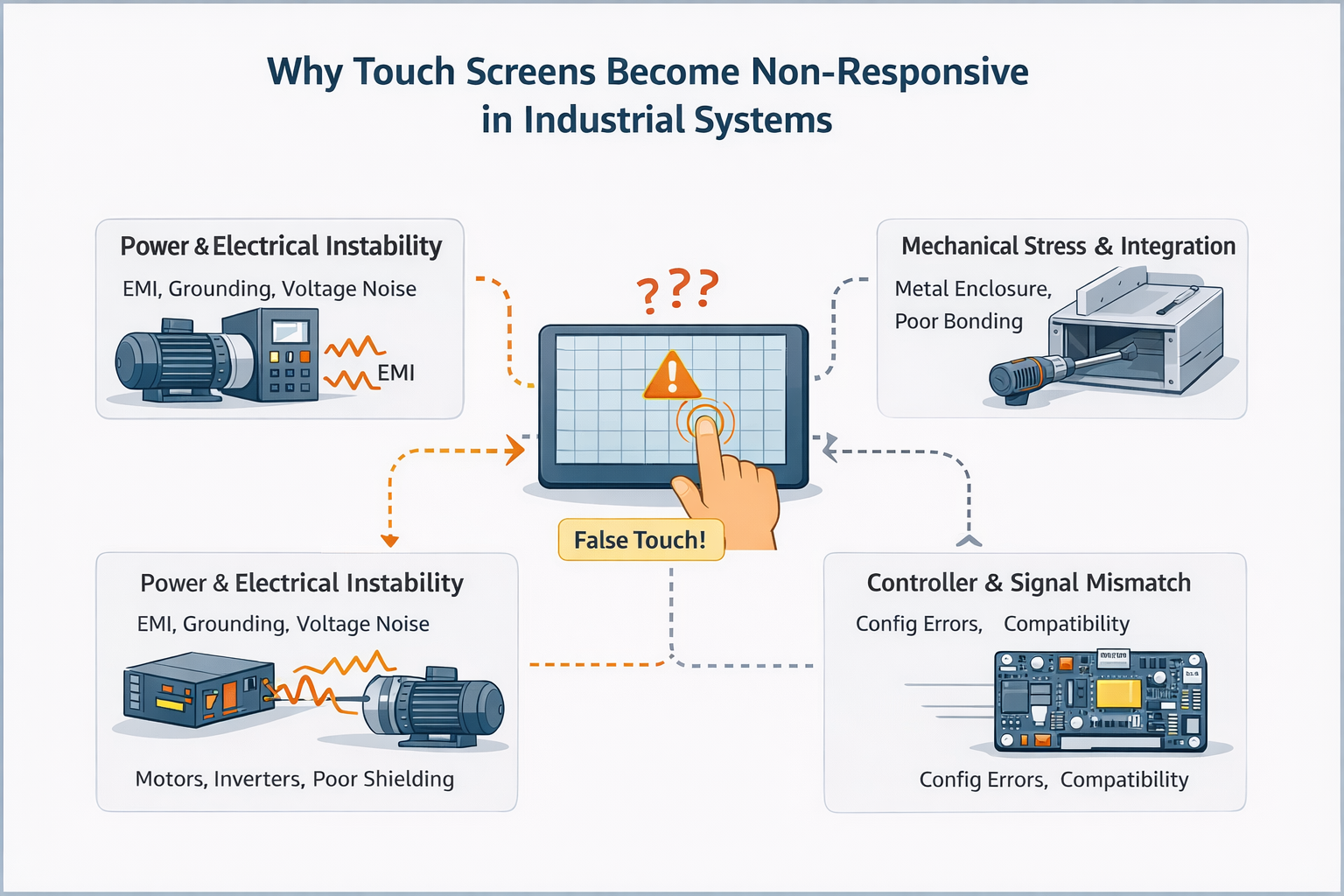
Um ecrã tátil não reativo refere-se a uma situação em que o toque não é detectado corretamente, de forma inconsistente ou não é detectado de todo.
Nas aplicações industriais, este comportamento é raramente causada por um único componente avariado.
Ao contrário dos dispositivos de consumo, os ecrãs tácteis industriais funcionam como parte de um sistema elétrico e mecânico de maiores dimensões, onde a qualidade da energia, a ligação à terra, a configuração do controlador e o ruído ambiental desempenham papéis críticos.
Como resultado, o que parece ser um ecrã tátil “morto” ou “avariado” é frequentemente um problema a nível do sistema e não um painel defeituoso.
O comportamento não reativo pode apresentar-se de várias formas:
Estes sintomas indicam frequentemente factores de integração ou ambientais, e não uma falha imediata do hardware.
Do ponto de vista da engenharia, os ecrãs tácteis que não funcionam enquadram-se normalmente numa ou mais das seguintes categorias.
Os problemas relacionados com a energia manifestam-se frequentemente como comportamento tátil intermitente ou inconsistente, e não um fracasso total.
Nestes casos, a substituição do painel tátil por si só raramente resolve o problema.
A interferência electromagnética é uma das causas mais frequentemente subestimadas de comportamento tátil não reativo ou instável em sistemas industriais.
Os problemas mecânicos produzem frequentemente não resposta localizada em vez de um fracasso total.
Um erro frequente durante a resolução de problemas é assumir que:
“Se o ecrã tátil não responder, o painel deve estar com defeito.”
Este pressuposto conduz frequentemente a:
Em muitos casos, a inspeção básica do hardware não pode, por si só, revelar integridade energética, acoplamento EMI ou problemas ao nível do controlador.
Antes de concluir que um ecrã tátil falhou, uma avaliação a nível de engenharia considera normalmente
O objetivo não é “encontrar uma peça avariada”, mas sim determinar se o sistema tátil é adequado para o ambiente da aplicação.
Uma inspeção visual básica e a recolocação do conetor podem ajudar a identificar danos físicos óbvios.
No entanto, se um ecrã tátil:
então é pouco provável que o problema seja resolvido apenas com a substituição do hardware.
Nesta fase, a resolução contínua de problemas por tentativa e erro atrasa frequentemente a resolução em vez de a acelerar.
Nas implantações industriais, os problemas de toque sem resposta estão mais frequentemente associados a decisões de integração de sistemas, e não defeitos isolados de componentes.
Os projectos que conseguem um funcionamento estável a longo prazo avaliam normalmente o desempenho tátil em conjunto com:
Esta abordagem ao nível do sistema reduz significativamente os problemas no terreno e os ciclos repetidos de resolução de problemas.
Recomenda-se uma revisão de engenharia quando o pedido envolve:
A avaliação precoce ajuda a distinguir risco de aplicação de falha de componentes, poupando tempo e custos.
Está a sentir um comportamento tátil instável ou sem resposta no seu sistema?
Partilhe o seu ambiente de aplicação, arquitetura de energia e condições de integração com a nossa equipa de engenharia para uma avaliação de viabilidade e risco.
Este artigo pretende ser uma referência técnica para compreender o comportamento tátil não reativo em sistemas industriais.
Centra-se na avaliação de engenharia e não em procedimentos de reparação passo-a-passo.
Introdução As interfaces homem-máquina (IHM) são atualmente componentes normais dos equipamentos industriais modernos. Os ecrãs permitem aos operadores ...
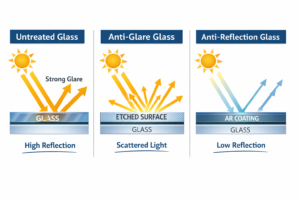
Introdução Os ecrãs industriais são frequentemente utilizados em ambientes onde as condições de iluminação são difíceis de controlar. Equipamento ...
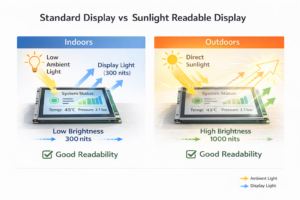
Introdução Os ecrãs são um componente de interface crítico em muitos tipos de equipamento industrial. Fornecem ao sistema ...
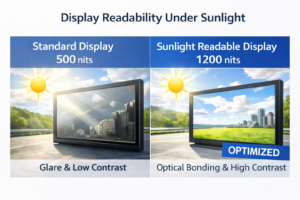
Introdução A visibilidade do ecrã é um parâmetro de conceção fundamental nos equipamentos industriais. Os operadores confiam nas interfaces gráficas ...
Envie os detalhes da sua aplicação. Responderemos com orientações de configuração e próximos passos.