Guia do comprador do fornecedor de ecrãs industriais para equipamento OEM

Introdução As interfaces homem-máquina (IHM) são atualmente componentes normais dos equipamentos industriais modernos. Os ecrãs permitem aos operadores ...
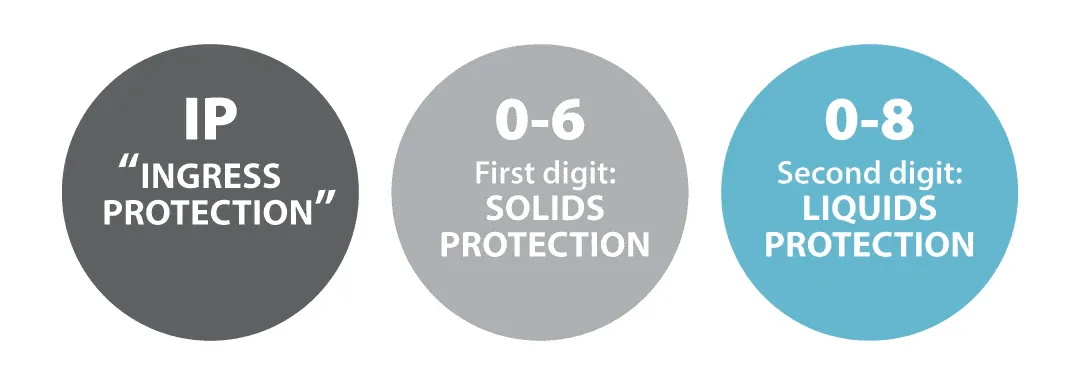
Em projectos industriais de PC de painel, Classificação IP (Proteção de ingresso) é muitas vezes especificado antecipadamente como um requisito obrigatório - tal como Proteção frontal IP65 ou caixa de proteção total IP65.
No entanto, do ponto de vista da engenharia, uma classificação IP mais elevada não se traduz automaticamente numa maior fiabilidade do sistema.
Para Panel PCs concebidos para Funcionamento 24 horas por dia, 7 dias por semana, apoio ao longo do ciclo de vida e gestão controlada da lista técnica, A classificação IP deve ser tratada como um limitação de conceção, e não um objetivo de desempenho autónomo.
Este artigo explica como a classificação IP afecta comportamento térmico, estabilidade do sistema e fiabilidade a longo prazo, e destaca as armadilhas comuns observadas em projectos industriais.
Em ambientes industriais, a classificação IP descreve principalmente:
Os requisitos típicos para projectos de painel PC incluem:
⚠️ É importante notar que:
A classificação IP não define o desempenho térmico, a vida útil do sistema ou a capacidade de manutenção.
O aumento da classificação IP exige quase sempre vedação mais forte, que afecta diretamente múltiplos factores de conceção a nível do sistema.
Como resultado:
👉 À medida que a classificação IP aumenta, a conceção térmica torna-se a limitação dominante do sistema.
Um equívoco comum é:
“Uma melhor vedação melhora sempre a durabilidade.”
Na realidade:
Para Panel PCs em funcionamento contínuo,
a gestão térmica tem muitas vezes um impacto maior no MTBF do que a proteção de entrada por si só.
Os projectos totalmente selados implicam normalmente:
Em implantações a longo prazo ou em grande escala,
A estratégia de manutenção é tão importante como a proteção do ambiente.
“O ”IP65" é frequentemente inscrito nas especificações sem definir onde a proteção é aplicável - mas as implicações técnicas diferem significativamente.
Mais adequado para:
Vantagens:
Mais adequado para:
Implicações para a engenharia:
👉 A proteção IP total deve ser determinada pelas condições de instalação e não pela especificação por defeito.
Em projectos reais, as classificações IP são frequentemente especificadas para além das necessidades ambientais reais:
Isto resulta frequentemente em:
A melhor prática de engenharia é especificar apenas o nível de proteção exigido pelo ambiente real.
Em vez de ser tratada como um requisito isolado, a classificação IP deve ser avaliada em conjunto com:
A classificação IP é uma variável na conceção do sistema - não é o objetivo da conceção em si.
Para PCs de painel industriais:
Antes de bloquear os requisitos de IP, especialmente para sistemas de ciclo de trabalho elevado,
é frequentemente aconselhável analisar em conjunto a conceção do armário, as margens térmicas e os riscos operacionais.
A classificação IP aborda a exposição ambiental.
A conceção do sistema determina a fiabilidade a longo prazo.
Um não pode substituir o outro.
Introdução As interfaces homem-máquina (IHM) são atualmente componentes normais dos equipamentos industriais modernos. Os ecrãs permitem aos operadores ...
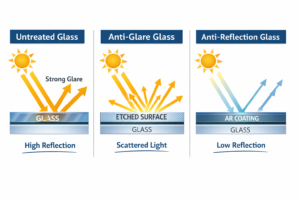
Introdução Os ecrãs industriais são frequentemente utilizados em ambientes onde as condições de iluminação são difíceis de controlar. Equipamento ...
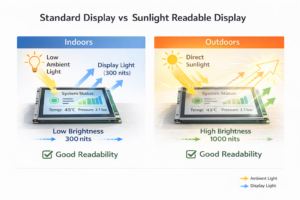
Introdução Os ecrãs são um componente de interface crítico em muitos tipos de equipamento industrial. Fornecem ao sistema ...
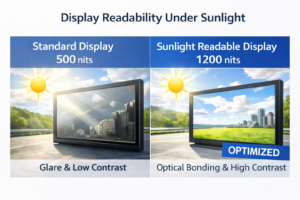
Introdução A visibilidade do ecrã é um parâmetro de conceção fundamental nos equipamentos industriais. Os operadores confiam nas interfaces gráficas ...
Envie os detalhes da sua aplicação. Responderemos com orientações de configuração e próximos passos.