Guia do comprador do fornecedor de ecrãs industriais para equipamento OEM

Introdução As interfaces homem-máquina (IHM) são atualmente componentes normais dos equipamentos industriais modernos. Os ecrãs permitem aos operadores ...
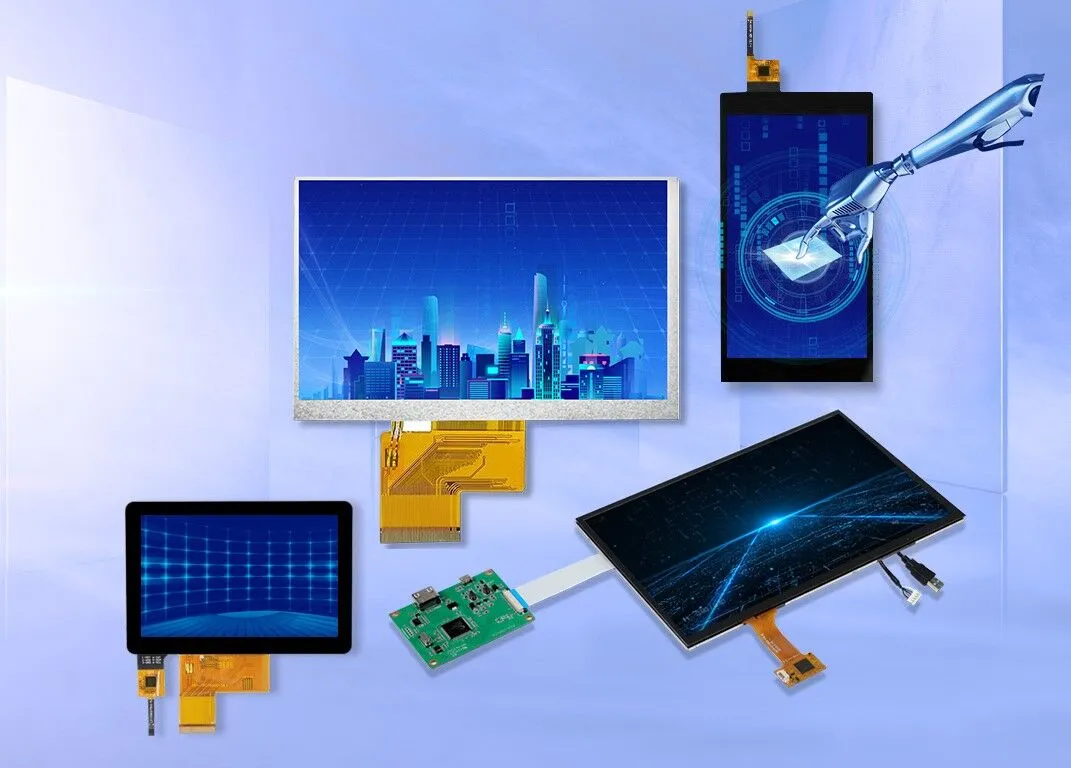
Em projectos industriais de painéis PC e monitores, Seleção da interface LCD é frequentemente tratada como um pormenor secundário - desde que o ecrã “acenda”, presume-se que a interface é aceitável.
Na prática, porém, a escolha da interface determina frequentemente estabilidade do sistema, risco de CEM, condicionalismos dos cabos e viabilidade do aprovisionamento a longo prazo.
Este artigo centra-se em como os OEM e os integradores de sistemas devem avaliar as interfaces LCD em ambientes industriais, não de uma perspetiva de eletrónica de consumo, mas de uma perspetiva de ponto de vista da implantação, do ciclo de vida e dos riscos de engenharia.
Ao contrário dos ecrãs de consumo, os PCs e monitores de painel industriais são normalmente:
Neste contexto, uma interface LCD não é apenas um caminho de sinal -
torna-se parte do sistema de estratégia de fiabilidade e ciclo de vida.
Os sistemas industriais utilizam normalmente as seguintes interfaces:
Cada interface tem os seus pontos fortes, mas nenhum é universalmente “melhor”.”
A escolha correta depende da forma como o sistema é instalado, operado e mantido.
O LVDS continua a ser amplamente utilizado em painéis de PC industriais e ecrãs incorporados, apesar de ser considerado “antigo” nos mercados de consumo.
👉 O LVDS é frequentemente a escolha mais segura para sistemas industriais de longo prazo e controlados por revisão, especialmente quando a resolução e a seleção de painéis são fixadas antecipadamente.
O eDP é cada vez mais comum nas modernas plataformas incorporadas e nos projectos de PC de painel compacto.
👉 O eDP funciona melhor quando o ecrã é tratado como um subsistema integrado e não como um componente substituível no terreno.
O HDMI e o DP são atractivos devido à disponibilidade e facilidade de ligação, mas introduzem riscos nas implantações industriais.
👉 HDMI/DP são mais adequados para ligações internas curtas ou sistemas semi-industriais, Não se destina a ambientes de longa duração, selados ou com elevada emissão de electrões.
Em vez de comparar as interfaces apenas com base nas especificações, os projectos industriais devem avaliá-las segundo estas dimensões:
Uma interface que funciona bem num ambiente de laboratório pode introduzir riscos inesperados quando implantada no terreno.
Nos projectos do mundo real, os problemas relacionados com a interface surgem frequentemente:
Estas questões surgem normalmente após a construção de projectos-piloto ou durante a certificação, quando as alterações são mais dispendiosas.
Na conceção de painéis PC e monitores industriais, a interface LCD deve ser selecionada em conjunto com..:
A escolha da interface é uma decisão de engenharia a nível do sistema, não é uma especificação de ecrã autónomo.
Em ambientes industriais:
Selecionar a interface “mais recente” não garante um sistema mais fiável.
Selecionar o a interface mais adequada para o contexto de implantação faz.
A seleção da interface LCD influencia muito mais do que a transmissão de imagens.
Afecta a estabilidade do sistema, a facilidade de manutenção e a fiabilidade a longo prazo.
Escolha com base na realidade da implantação - não na popularidade da interface.
Introdução As interfaces homem-máquina (IHM) são atualmente componentes normais dos equipamentos industriais modernos. Os ecrãs permitem aos operadores ...
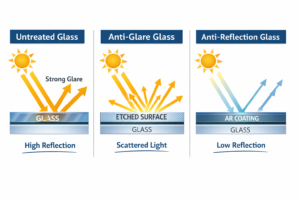
Introdução Os ecrãs industriais são frequentemente utilizados em ambientes onde as condições de iluminação são difíceis de controlar. Equipamento ...
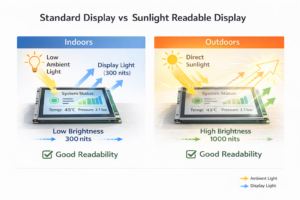
Introdução Os ecrãs são um componente de interface crítico em muitos tipos de equipamento industrial. Fornecem ao sistema ...
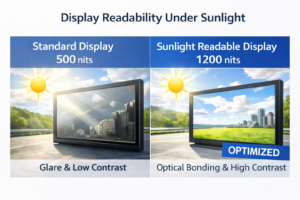
Introdução A visibilidade do ecrã é um parâmetro de conceção fundamental nos equipamentos industriais. Os operadores confiam nas interfaces gráficas ...
Envie os detalhes da sua aplicação. Responderemos com orientações de configuração e próximos passos.