Guia do comprador do fornecedor de ecrãs industriais para equipamento OEM
Introdução As interfaces homem-máquina (IHM) são atualmente componentes normais dos equipamentos industriais modernos. Os ecrãs permitem aos operadores ...
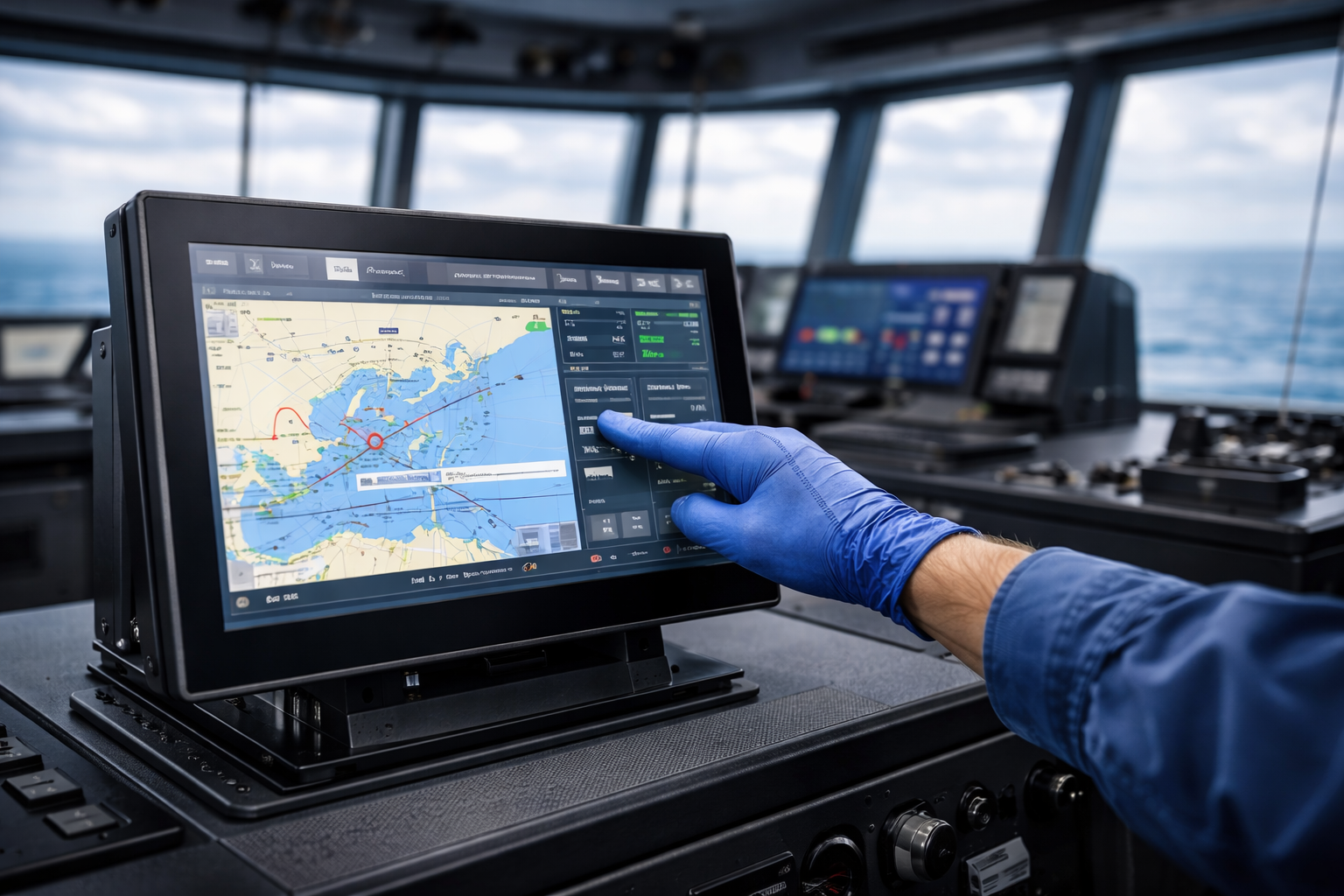
À medida que os sistemas marítimos se tornam cada vez mais digitais, a forma como os operadores interagem com o equipamento de bordo está a sofrer uma transformação fundamental.
No centro desta mudança está tecnologia de ecrã tátil, A tecnologia de navegação, monitorização e controlo da navegação em navios modernos está agora a ser redefinida.
Não se trata de uma atualização cosmética - é uma revolução funcional na forma como os sistemas marinhos são concebidos, explorados e mantidos.
Os ambientes tradicionais de controlo marítimo baseavam-se em:
Embora comprovados ao longo do tempo, estes sistemas têm dificuldade em satisfazer as exigências dos navios modernos, onde os sistemas de navegação, propulsão, comunicação e monitorização têm de funcionar em conjunto e em tempo real.
As interfaces de ecrã tátil consolidam estas funções em pontos de controlo digitais integrados, reduzindo a complexidade e melhorando simultaneamente o conhecimento da situação.
Os navios modernos dependem de múltiplas fontes de dados:
Os ecrãs tácteis permitem aos operadores aceder, visualizar e controlar vários sistemas a partir de uma única interface, A sua capacidade de resposta é muito maior, melhorando a tomada de decisões tanto em operações de rotina como em situações críticas.
Os ambientes marinhos exigem clareza e rapidez.
As HMIs baseadas no toque permitem:
Isto aumenta a consciência situacional - especialmente em vias navegáveis congestionadas, condições climatéricas adversas ou cenários de elevada carga de trabalho.
Os ecrãs tácteis marítimos são concebidos para ambientes que incluem:
Os ecrãs tácteis marítimos profissionais incluem normalmente:
Estas caraterísticas são essenciais para operações marítimas de missão crítica.
O espaço da ponte e da sala de controlo é limitado.
A substituição de grandes conjuntos de controlos mecânicos por ecrãs tácteis permite:
Isto é particularmente valioso para as embarcações em que a otimização do espaço tem um impacto direto na facilidade de utilização e na segurança.
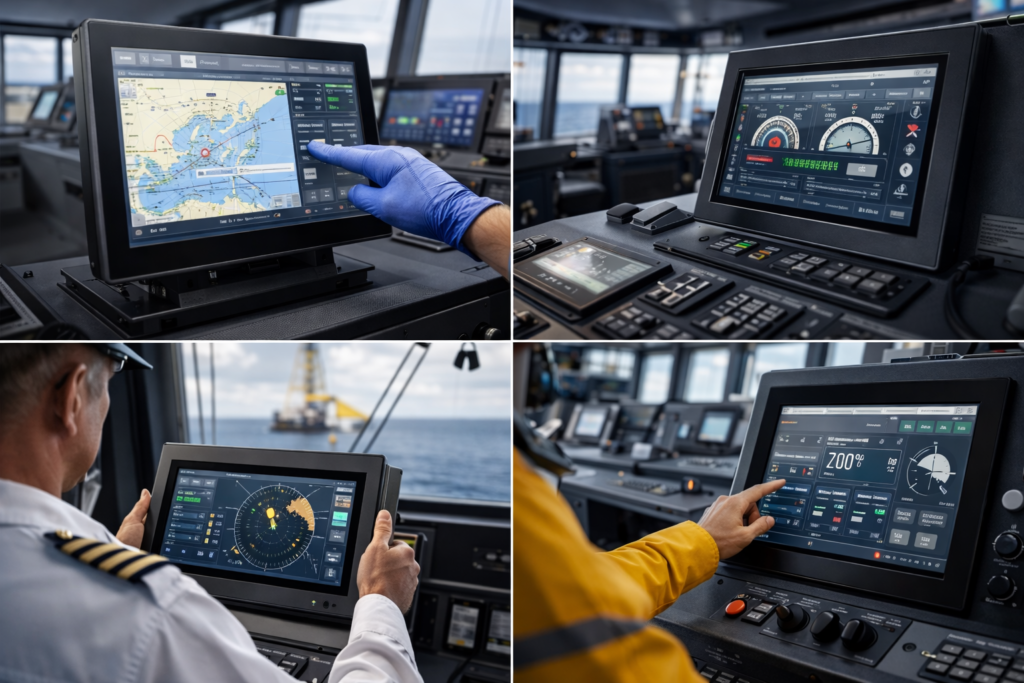
A tecnologia de ecrã tátil é agora amplamente utilizada em sistemas marítimos e offshore, incluindo:
Em todos os casos, os ecrãs tácteis funcionam como interface homem-máquina primária ligar os operadores a sistemas complexos.
Os projectos marítimos requerem frequentemente especificações consistentes ao longo de muitos anos, tornando crítico o fornecimento a longo prazo e a seleção estável de componentes.
Os ecrãs tácteis de consumo não foram concebidos para isso:
Procura de sistemas marítimos e profissionais soluções tácteis específicas, O sistema é frequentemente personalizado para o design do invólucro, requisitos de interface e exposição ambiental.
Trabalhar com um fabricante de tato experiente ajuda a garantir:
À medida que as embarcações se tornam mais conectadas e orientadas para o software, os ecrãs tácteis estão a evoluir de simples ecrãs para interfaces estratégicas do sistema.
Eles influenciam:
A tecnologia de ecrã tátil já não faz apenas parte dos sistemas marítimos - está a moldar a forma como as embarcações modernas são navegadas e controladas.
A revolução dos ecrãs tácteis em ambientes marinhos representa uma mudança para sistemas de controlo integrados, intuitivos e resistentes.
Ao permitirem uma melhor interação entre os seres humanos e a tecnologia de bordo, os ecrãs tácteis estão a ajudar os operadores marítimos a navegar nos mares digitais com maior confiança e controlo.
Se estiver a desenvolver ou a atualizar um sistema de controlo marítimo ou profissional, a seleção atempada da solução de ecrã tátil correta pode reduzir significativamente o risco e melhorar o desempenho a longo prazo.
Pedir um orçamento ou Contactar-nos para discutir os requisitos da sua aplicação marítima.
Introdução As interfaces homem-máquina (IHM) são atualmente componentes normais dos equipamentos industriais modernos. Os ecrãs permitem aos operadores ...
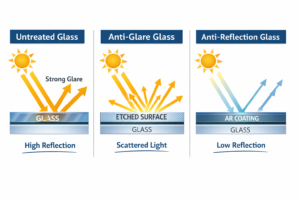
Introdução Os ecrãs industriais são frequentemente utilizados em ambientes onde as condições de iluminação são difíceis de controlar. Equipamento ...
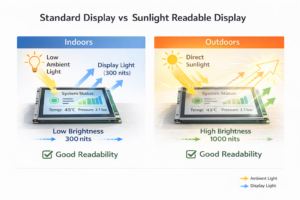
Introdução Os ecrãs são um componente de interface crítico em muitos tipos de equipamento industrial. Fornecem ao sistema ...
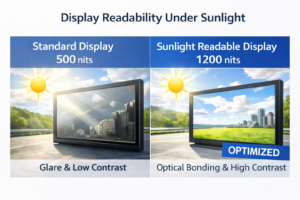
Introdução A visibilidade do ecrã é um parâmetro de conceção fundamental nos equipamentos industriais. Os operadores confiam nas interfaces gráficas ...
Envie os detalhes da sua aplicação. Responderemos com orientações de configuração e próximos passos.