Guia do comprador do fornecedor de ecrãs industriais para equipamento OEM

Introdução As interfaces homem-máquina (IHM) são atualmente componentes normais dos equipamentos industriais modernos. Os ecrãs permitem aos operadores ...
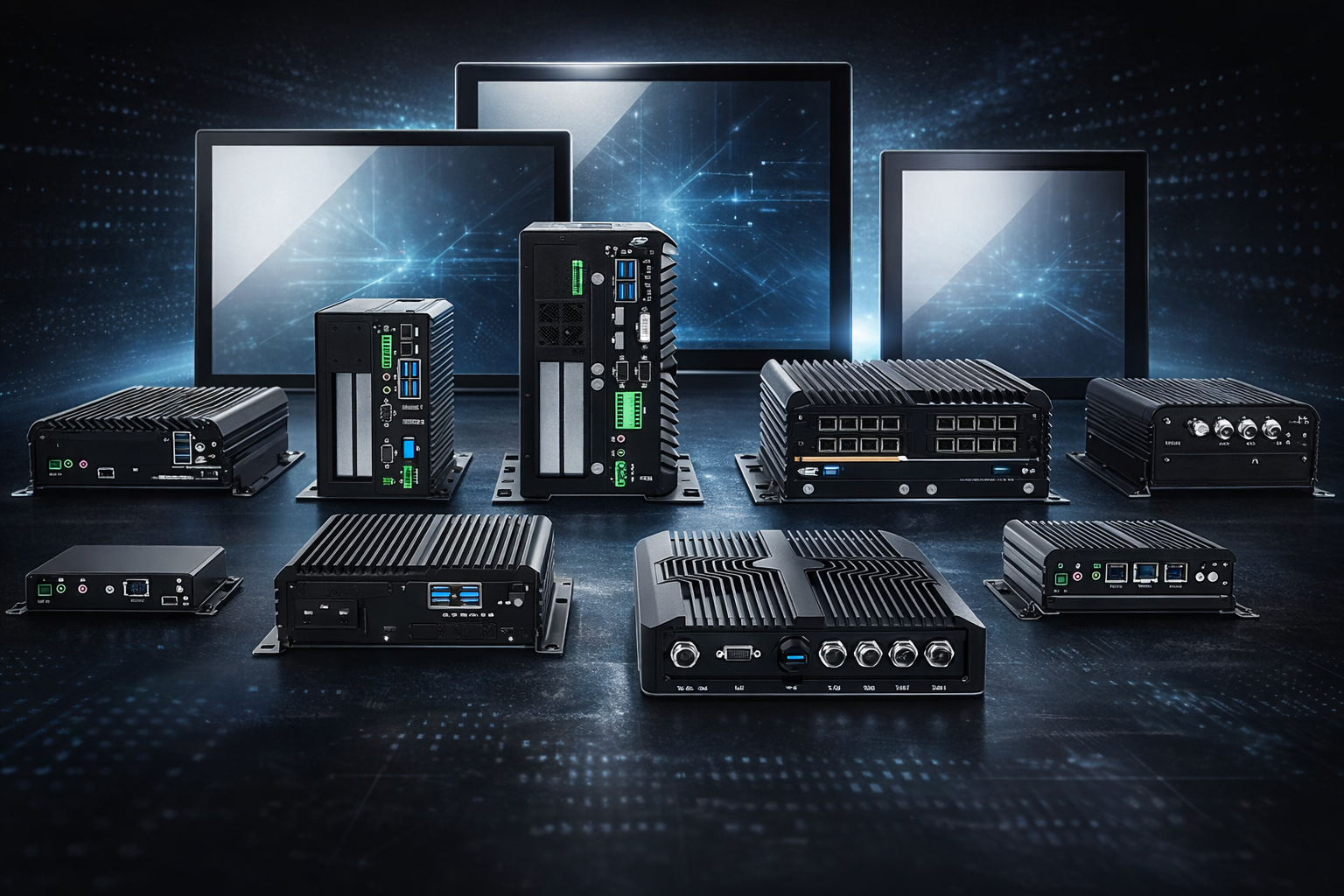
Os sistemas de computação incorporados e os PCs incorporados são tecnologias fundamentais na automação industrial moderna, no fabrico inteligente, na computação periférica e no equipamento ligado. Ao contrário dos computadores de secretária ou servidores de uso geral, estes sistemas são concebidos especificamente para funcionamento contínuo, fiável e específico para cada tarefa em ambientes exigentes.
Neste guia, explicamos o que são sistemas de computação incorporados, porque são importantes em aplicações industriais e como escolher o PC incorporado certo para as suas necessidades específicas.
Um sistema de computação incorporado refere-se a uma arquitetura informática específica concebida para executar tarefas específicas de controlo, processamento ou monitorização no âmbito de um sistema ou dispositivo de maiores dimensões.
Os sistemas de computação incorporados são amplamente utilizados na automação industrial, maquinaria inteligente, robótica, IIoT (Internet Industrial das Coisas), sinalização digital e processamento de IA de ponta.
Um PC incorporado é um tipo de sistema de computação incorporado que integra a arquitetura central de um PC num formato industrial específico.
Diferente dos PCs de consumo, PCs incorporados são concebidos para fiabilidade, tamanho compacto e ciclos de vida longos. São normalmente utilizados em:
Os PCs incorporados apresentam frequentemente caixas robustas, refrigeração sem ventoinha e componentes de nível industrial que funcionam de forma fiável em ambientes com vibração, poeira, temperaturas extremas e EMI (interferência electromagnética).
| Aspeto | PC incorporado | PC de consumo |
|---|---|---|
| Objetivo da conceção | Tarefas industriais específicas | Informática geral |
| Ambiente operacional | Temperatura extrema, vibração, poeira | Interior controlado |
| Fiabilidade | Tempo de atividade elevado, 24/7 | Limitada pela utilização dos consumidores |
| Longevidade | Suporte de longo ciclo de vida | Ciclos de atualização curtos |
| Expansibilidade | E/S industriais, interfaces personalizadas | Periféricos standard |
Enquanto os PCs de consumo se centram na versatilidade e na experiência do utilizador, os PCs incorporados são concebidos especificamente para funcionamento fiável em cenários de nível industrial sem alterações frequentes de hardware.
Os sistemas informáticos incorporados são concebidos para funcionarem 24 horas por dia, 7 dias por semana, em condições adversas e sem falhas - um requisito na automação industrial e no fabrico.
Muitos PCs incorporados utilizam designs sem ventoinha e unidades seladas para evitar a entrada de pó, humidade e partículas, aumentando significativamente a fiabilidade em fábricas e instalações exteriores.
Os sistemas incorporados são optimizados para cargas de trabalho específicas com utilização eficiente de energia, menor latência e desempenho previsível - ideal para controlo em tempo real, gateways IIoT e processamento de ponta.
As implementações industriais exigem frequentemente a disponibilidade de hardware durante anos ou mesmo décadas. Os PCs incorporados oferecem normalmente estabilidade do ciclo de vida e disponibilidade a longo prazo, reduzindo os esforços de requalificação e de reconcepção.
Desde instalações de armazenamento a frio a linhas de produção a alta temperatura, o hardware informático incorporado foi concebido para lidar com ambientes em que os dispositivos de consumo falhariam.
Os PCs incorporados encontram-se em quase todos os sectores em que é necessária uma computação fiável para tarefas específicas:
Estes sistemas colmatam a lacuna entre os dados brutos dos sensores e a análise acionável, servindo frequentemente na periferia, onde a baixa latência e a elevada fiabilidade são factores-chave.
Seleção de um PC incorporado não é de tamanho único. A escolha ideal depende dos requisitos da sua aplicação.
Considere o desempenho da CPU, a memória e o armazenamento com base na carga de trabalho - desde a lógica de controlo básica até à complexa inferência de IA.
Verifique a gama de temperaturas de funcionamento, a tolerância à vibração e as classificações de proteção de entrada relevantes para a sua implementação.
Assegurar que as interfaces industriais necessárias (por exemplo, COM série, USB, Ethernet, CAN, GPIO) e as opções de expansão estão disponíveis.
Os designs compactos e sem ventoinha são preferidos em ambientes com muita poeira ou vibração. Noutros casos, pode ser necessária a montagem em bastidor ou em painel.
Os sistemas industriais podem necessitar de entradas de alimentação de 24 V CC ou de gama alargada, controlo remoto da alimentação ou deteção de ignição.
Escolha plataformas compatíveis com a sua pilha de software - Windows, Linux ou SO em tempo real, consoante o caso de utilização.
Estes factores ajudam-no a adequar o PC incorporado às suas necessidades empresariais e ao seu ambiente operacional.
Cada fator de forma equilibra o desempenho, a durabilidade e a flexibilidade de integração para requisitos industriais específicos.
Os sistemas informáticos incorporados e os PC incorporados não são apenas componentes - são factores essenciais da digitalização industrial moderna, da automação e da inteligência de ponta. A sua fiabilidade, desempenho à medida e adaptabilidade a ambientes adversos tornam-nos indispensáveis nas aplicações industriais actuais.
A escolha do PC incorporado certo requer um conhecimento profundo dos seus ambiente operacional, necessidades de desempenho e condicionalismos de integração. Quando selecionados corretamente, os sistemas informáticos incorporados proporcionam estabilidade a longo prazo, um funcionamento eficiente e um retorno do investimento significativo para as empresas industriais.
Introdução As interfaces homem-máquina (IHM) são atualmente componentes normais dos equipamentos industriais modernos. Os ecrãs permitem aos operadores ...
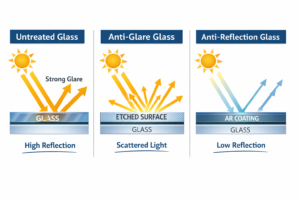
Introdução Os ecrãs industriais são frequentemente utilizados em ambientes onde as condições de iluminação são difíceis de controlar. Equipamento ...
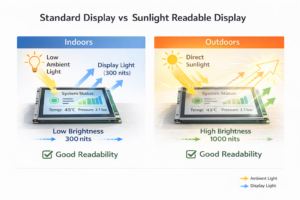
Introdução Os ecrãs são um componente de interface crítico em muitos tipos de equipamento industrial. Fornecem ao sistema ...
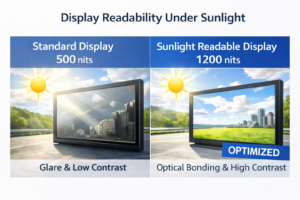
Introdução A visibilidade do ecrã é um parâmetro de conceção fundamental nos equipamentos industriais. Os operadores confiam nas interfaces gráficas ...
Envie os detalhes da sua aplicação. Responderemos com orientações de configuração e próximos passos.