Руководство для поставщиков промышленных дисплеев для OEM-оборудования

Введение Человеко-машинные интерфейсы (ЧМИ) сегодня являются стандартными компонентами современного промышленного оборудования. Дисплеи позволяют операторам ...
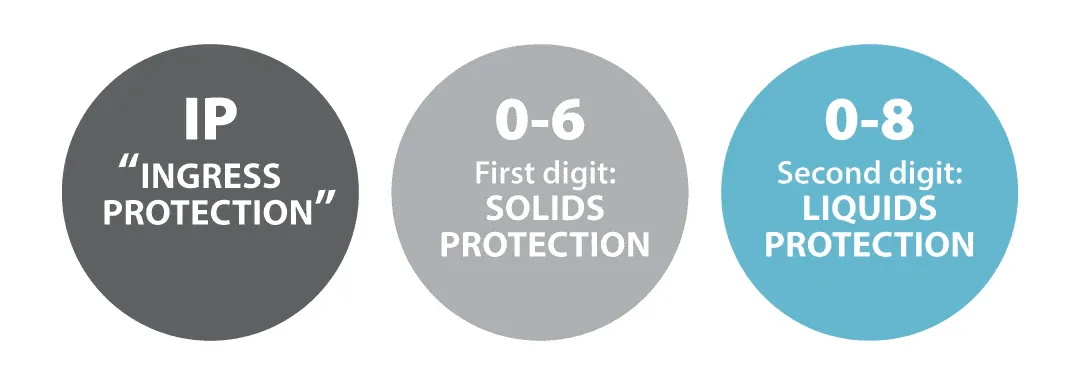
В промышленных проектах панельных ПК, Степень защиты IP (защита от проникновения) часто указывается на раннем этапе в качестве обязательного требования - например Защита передней панели IP65 или полный корпус IP65.
Однако с инженерной точки зрения более высокий рейтинг IP не означает автоматической надежности системы.
Для панельных ПК, предназначенных для Работа в режиме 24/7, поддержка в течение длительного жизненного цикла и контролируемое управление спецификациями, Рейтинг IP следует рассматривать как конструктивное ограничение, не является самостоятельным целевым показателем эффективности.
В этой статье объясняется, как рейтинг IP влияет на тепловое поведение, стабильность системы и долговременная надежность, В ней рассказывается о типичных "подводных камнях", встречающихся в промышленных проектах.
В промышленных условиях степень защиты IP в первую очередь характеризует:
Типичные требования к проектам панельных ПК включают:
⚠️ Важно отметить:
Степень защиты IP не определяет тепловые характеристики, срок службы системы или возможность обслуживания.
Повышение степени защиты IP почти всегда требует более прочное уплотнение, что напрямую влияет на множество факторов проектирования на уровне системы.
В результате:
👉 С увеличением IP-рейтинга тепловой режим становится доминирующим ограничением системы.
Распространенное заблуждение:
“Лучшая герметизация всегда повышает долговечность”.”
В реальности:
Для панельных компьютеров, работающих в непрерывном режиме,
Терморегулирование часто оказывает большее влияние на MTBF, чем защита от проникновения.
Полностью герметичные конструкции обычно подразумевают:
При долгосрочном или крупномасштабном развертывании,
Стратегия технического обслуживания не менее важна, чем защита окружающей среды.
“IP65” часто указывается в спецификациях без определения где Защита применяется - однако инженерные последствия существенно отличаются.
Лучше всего подходит для:
Преимущества:
Лучше всего подходит для:
Инженерные последствия:
👉 Полная защита IP должна определяться условиями установки, а не спецификацией по умолчанию.
В реальных проектах степень защиты IP часто указывается с учетом реальных потребностей окружающей среды:
Это часто приводит к:
Лучшая инженерная практика - указывать только тот уровень защиты, который требуется в реальных условиях.
Рейтинг IP следует оценивать не как отдельное требование, а вместе с ним:
Рейтинг IP - это одна из переменных при проектировании системы, а не сама цель проектирования.
Для промышленных панельных компьютеров:
Перед блокировкой требований IP, особенно для систем с высокой нагрузкой,
часто целесообразно совместно рассмотреть конструкцию корпуса, тепловые пределы и эксплуатационные риски.
Рейтинг IP учитывает воздействие окружающей среды.
Дизайн системы определяет долгосрочную надежность.
Одно не может заменить другое.
Введение Человеко-машинные интерфейсы (ЧМИ) сегодня являются стандартными компонентами современного промышленного оборудования. Дисплеи позволяют операторам ...
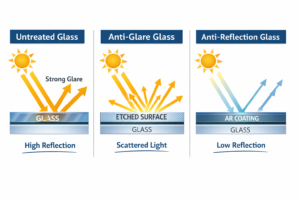
Введение Промышленные дисплеи часто используются в средах, где условия освещения трудно контролировать. Оборудование ...
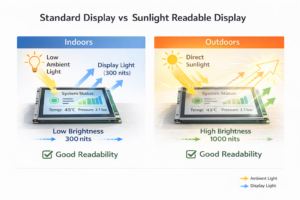
Введение Дисплеи являются важнейшим компонентом интерфейса во многих типах промышленного оборудования. Они обеспечивают систему ...
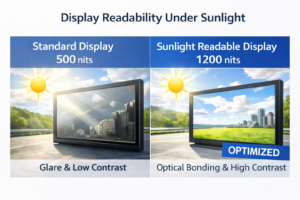
Введение Видимость дисплея - важнейший параметр конструкции промышленного оборудования. Операторы полагаются на графические интерфейсы ...
Отправьте информацию о вашем приложении. В ответ мы сообщим направление конфигурации и дальнейшие шаги.