Руководство для поставщиков промышленных дисплеев для OEM-оборудования
Введение Человеко-машинные интерфейсы (ЧМИ) сегодня являются стандартными компонентами современного промышленного оборудования. Дисплеи позволяют операторам ...
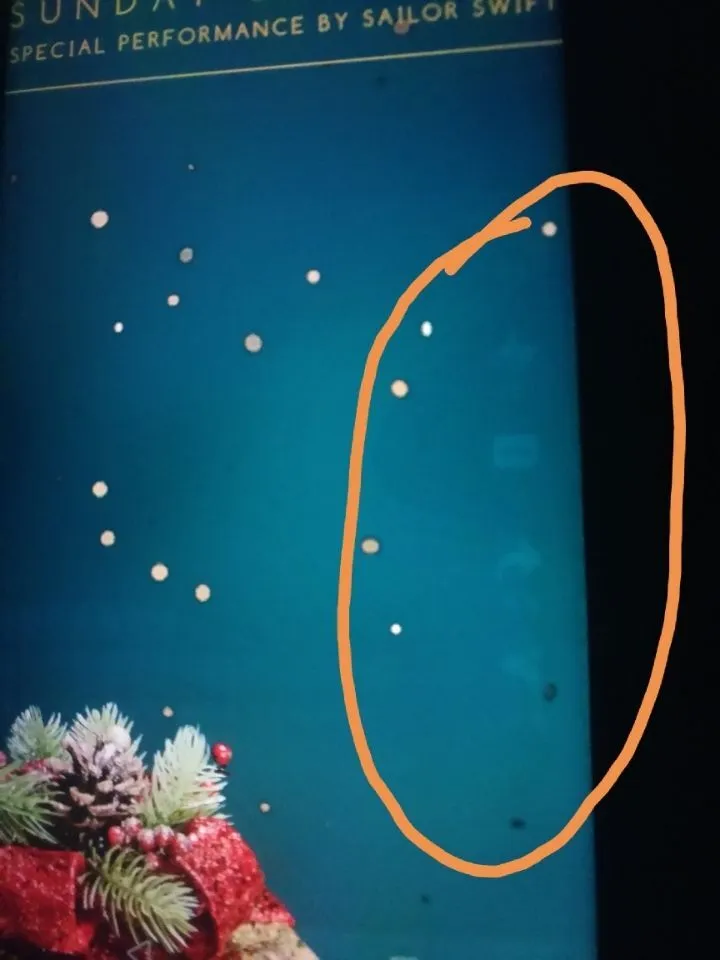
Сохранение изображения, обычно называемое приведение, Описывает состояние, когда слабые следы ранее отображаемого содержимого остаются видимыми после смены изображения.
На сайте Промышленные TFT ЖК-дисплеи, Приведение - это как правило, не является дефектом изделия, но поведение дисплея, обусловленное комбинированное влияние характеристик панели, метода вождения, условий эксплуатации и характера использования приложения.
Понимание этого различия очень важно при оценке пригодности дисплея для долгосрочного или критически важного развертывания.
С инженерной точки зрения, сохранение изображения наблюдаемые в TFT ЖК-дисплеях, могут быть вызваны различными механизмами. Выявление типа помогает определить, можно ли снизить риск с помощью решений по выбору или интеграции.
Временное хранение изображений
Удержание за рулем или по причине предубеждения
Сохранение, связанное с долгосрочной деградацией
Не все способствующие факторы в равной степени поддаются контролю. С точки зрения проектирования системы важно различать контролируемые параметры конструкции и ограничения, зависящие от приложения.
| Фактор | Инженерный контроль | Примечания |
|---|---|---|
| Время отклика ЖК-дисплея | Высокий | Оценивается во время отбора в группу |
| Согласование плат драйверов | Высокий | Электрическая совместимость имеет решающее значение |
| Статический коэффициент пользовательского интерфейса | Средний | Сильно привязаны к дизайну приложений |
| Рабочая температура | Средний | Управление тепловым режимом на уровне системы |
| Старение панели | Низкий | Свойственное жизненному циклу поведение |
Риск появления призраков редко связан с каким-то одним параметром; обычно он является результатом несколько предельных состояний, складывающихся вместе.
Вероятность появления "призраков" существенно зависит от того, как дисплей используется в полевых условиях.
Понимание того, куда попадает приложение в этом спектре, зачастую важнее, чем сосредоточение внимания только на технических характеристиках панели.
Вместо того чтобы полагаться на меры по снижению риска после развертывания, следует оценить риск появления призраков на этапе выбора и интеграции.
Ключевые соображения включают:
Ни один TFT ЖК-дисплей не может гарантировать нулевое сохранение изображения при любых условиях; цель состоит в том, чтобы контроль рисков, но не абсолютное уничтожение.
В промышленных проектах сохранение имиджа чаще всего наблюдается, когда Поведение приложения, электропривод и тепловой режим оцениваются независимо, а не как единая система.
При выборе дисплея и интеграции эти факторы обычно оцениваются вместе, чтобы определить долгосрочную пригодность и операционный риск, особенно для круглосуточных HMI, киосков и необслуживаемых систем.
Техническая экспертиза рекомендуется, если ваша заявка включает в себя:
Не уверены, что ваше приложение подходит для длительной эксплуатации статических дисплеев?
Поделитесь с нашей командой инженеров информацией об условиях эксплуатации, поведении пользовательского интерфейса и окружающей среде, чтобы мы могли провести анализ целесообразности и рисков.
Данное содержание предназначено для инженерной оценки поведения дисплея и должно рассматриваться в контексте полного проектирования системы.
Введение Человеко-машинные интерфейсы (ЧМИ) сегодня являются стандартными компонентами современного промышленного оборудования. Дисплеи позволяют операторам ...
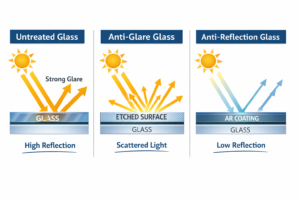
Введение Промышленные дисплеи часто используются в средах, где условия освещения трудно контролировать. Оборудование ...
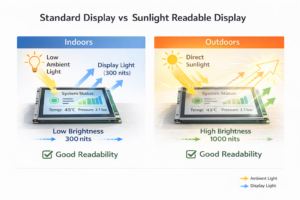
Введение Дисплеи являются важнейшим компонентом интерфейса во многих типах промышленного оборудования. Они обеспечивают систему ...
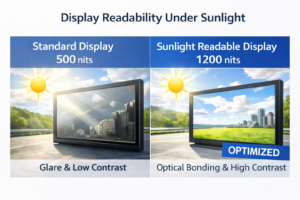
Введение Видимость дисплея - важнейший параметр конструкции промышленного оборудования. Операторы полагаются на графические интерфейсы ...
Отправьте информацию о вашем приложении. В ответ мы сообщим направление конфигурации и дальнейшие шаги.