Industrie-Display-Lieferanten Einkaufsführer für OEM-Ausrüstung
Einleitung Mensch-Maschine-Schnittstellen (HMIs) sind heute Standardkomponenten in modernen Industrieanlagen. Displays ermöglichen dem Bediener ...
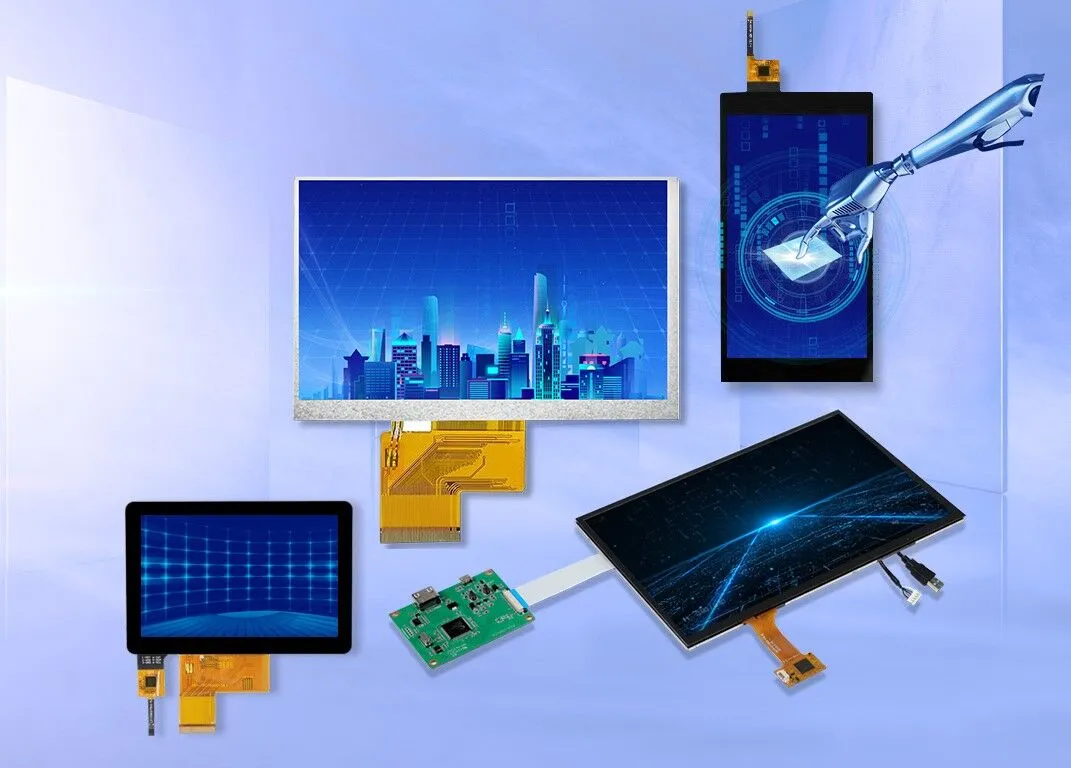
In industriellen Panel PC- und Monitorprojekten, Auswahl der LCD-Schnittstelle wird oft als nebensächliches Detail behandelt - solange die Anzeige “leuchtet”, wird die Schnittstelle als akzeptabel angesehen.
In der Praxis bestimmt jedoch häufig die Wahl der Schnittstelle Systemstabilität, EMV-Risiko, Kabelbeschränkungen und langfristige Rentabilität der Versorgung.
Dieser Artikel befasst sich mit wie OEMs und Systemintegratoren LCD-Schnittstellen in industriellen Umgebungen bewerten sollten, nicht aus der Perspektive der Unterhaltungselektronik, sondern aus einer Bereitstellung, Lebenszyklus und technische Risiken.
Im Gegensatz zu Verbraucherbildschirmen sind Industrie-Panel-PCs und -Monitore normalerweise:
In diesem Zusammenhang ist eine LCD-Schnittstelle nicht nur ein Signalweg.
wird es Teil des Systems Zuverlässigkeit und Lebenszyklusstrategie.
Industrielle Systeme verwenden in der Regel die folgenden Schnittstellen:
Jede Schnittstelle hat ihre Stärken, aber keine ist universell “am besten”.”
Die richtige Wahl hängt davon ab, wie das System installiert, betrieben und gewartet wird.
LVDS wird nach wie vor häufig in industriellen Panel-PCs und eingebetteten Displays verwendet, obwohl es in den Verbrauchermärkten als “veraltet” gilt.
👉 LVDS ist oft die sicherste Wahl für langfristige, revisionskontrollierte Industriesysteme, Besonders dann, wenn Auflösung und Panelauswahl frühzeitig festgelegt werden.
eDP wird immer häufiger in modernen Embedded-Plattformen und kompakten Panel-PCs eingesetzt.
👉 EDV funktioniert am besten, wenn das Display als integriertes Teilsystem und nicht als vor Ort austauschbare Komponente behandelt wird.
HDMI und DP sind aufgrund ihrer Verfügbarkeit und einfachen Anbindung attraktiv, bergen jedoch Risiken bei industriellen Anwendungen.
👉 HDMI/DP sind am besten für kurze interne Verbindungen oder halbindustrielle Systeme geeignet., nicht für langlebige, versiegelte oder Hoch-EMI-Umgebungen geeignet.
Anstatt Schnittstellen nur anhand ihrer Spezifikationen zu vergleichen, sollten Industrieprojekte sie anhand dieser Dimensionen bewerten:
Eine Schnittstelle, die sich in einer Laborumgebung gut bewährt, kann beim Einsatz in der Praxis unerwartete Risiken bergen.
In realen Projekten ergeben sich schnittstellenbezogene Probleme häufig aus:
Diese Probleme tauchen in der Regel auf nach dem Bau von Pilotprojekten oder während der Zertifizierung, wenn Änderungen am kostspieligsten sind.
Bei der Entwicklung von Industrie-Panel-PCs und -Monitoren sollte die LCD-Schnittstelle zusammen mit dieser ausgewählt werden:
Die Wahl der Schnittstelle ist eine technische Entscheidung auf Systemebene, keine eigenständige Display-Spezifikation.
In industriellen Umgebungen:
Die Auswahl der “neuesten” Schnittstelle ist keine Garantie für ein zuverlässigeres System.
Die Auswahl der die am besten geeignete Schnittstelle für den Einsatzkontext tut.
Die Auswahl der LCD-Schnittstelle beeinflusst weit mehr als die Bildübertragung.
Dies wirkt sich auf die Systemstabilität, die Wartungsfähigkeit und die langfristige Zuverlässigkeit aus.
Entscheiden Sie sich für eine Lösung, die der Realität entspricht, und nicht für eine beliebte Schnittstelle.
Einleitung Mensch-Maschine-Schnittstellen (HMIs) sind heute Standardkomponenten in modernen Industrieanlagen. Displays ermöglichen dem Bediener ...
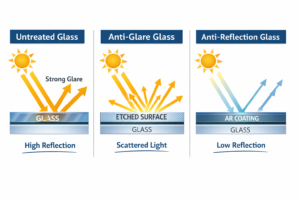
Einleitung Industrielle Bildschirme werden häufig in Umgebungen eingesetzt, in denen die Lichtverhältnisse schwer zu kontrollieren sind. Ausrüstung ...
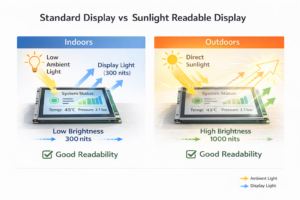
Einleitung Displays sind eine wichtige Schnittstellenkomponente in vielen Arten von Industrieanlagen. Sie bieten System ...
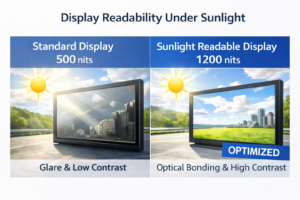
Einleitung Die Sichtbarkeit von Displays ist ein entscheidender Konstruktionsparameter bei Industrieanlagen. Die Bediener verlassen sich auf grafische Schnittstellen ...
Senden Sie uns Ihre Anwendungsdetails. Wir antworten mit einer Konfigurationsanweisung und den nächsten Schritten.