Industrie-Display-Lieferanten Einkaufsführer für OEM-Ausrüstung

Einleitung Mensch-Maschine-Schnittstellen (HMIs) sind heute Standardkomponenten in modernen Industrieanlagen. Displays ermöglichen dem Bediener ...
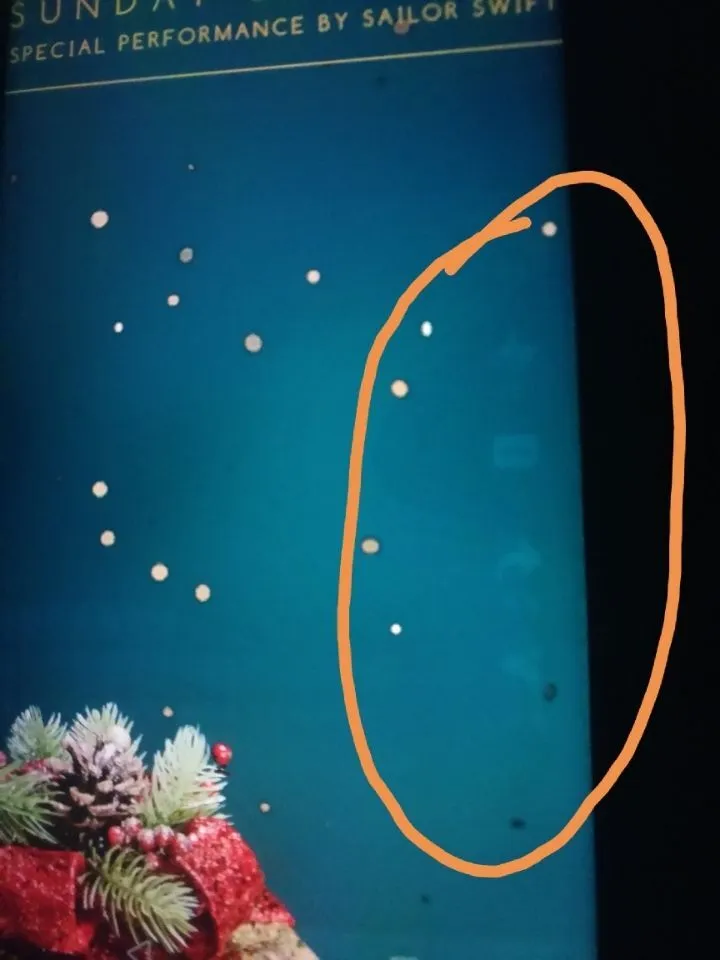
Die Bildspeicherung, gemeinhin bezeichnet als Geisterbilder, beschreibt einen Zustand, in dem schwache Spuren des zuvor angezeigten Inhalts sichtbar bleiben, nachdem das Bild gewechselt wurde.
Unter industrielle TFT-LCD-Anwendungen, Geisterbilder sind in der Regel kein Produktfehler, sondern ein Anzeigeverhalten, das aus der kombinierte Wirkung der Eigenschaften der Platte, der Fahrweise, der Betriebsumgebung und des Nutzungsmusters der Anwendung.
Die Kenntnis dieses Unterschieds ist entscheidend für die Beurteilung der Eignung von Displays für langfristige oder unternehmenskritische Einsätze.
Vom technischen Standpunkt aus gesehen, Bildspeicherung die bei TFT-LCDs beobachtet werden, können von verschiedenen Mechanismen herrühren. Die Identifizierung der Art hilft bei der Entscheidung, ob das Risiko durch Auswahl- oder Integrationsentscheidungen verringert werden kann.
Vorübergehende Bildaufbewahrung
Fahren oder vorurteilsbedingte Zurückhaltung
Langfristige degradationsbedingte Retention
Nicht alle beitragenden Faktoren sind gleichermaßen kontrollierbar. Aus Sicht der Systemgestaltung ist es wichtig, zu unterscheiden zwischen konstruktiv beeinflussbare Parameter und anwendungsbezogene Sachzwänge.
| Faktor | Technische Kontrolle | Anmerkungen |
|---|---|---|
| LCD-Reaktionszeit | Hoch | Bewertet bei der Panelauswahl |
| Anpassung der Treiberplatine | Hoch | Elektrische Kompatibilität ist entscheidend |
| Statisches UI-Verhältnis | Mittel | Starker Bezug zum Anwendungsdesign |
| Betriebstemperatur | Mittel | Wärmemanagement auf Systemebene |
| Alterung des Panels | Niedrig | Inhärentes Lebenszyklusverhalten |
Das Ghosting-Risiko ist selten auf einen einzelnen Parameter zurückzuführen; es ist in der Regel das Ergebnis von mehrere Randbedingungen, die sich überlagern.
Die Wahrscheinlichkeit von Geisterbildern hängt stark davon ab, wie das Display in der Praxis eingesetzt wird.
Zu verstehen, wo eine Anwendung innerhalb dieses Spektrums liegt, ist oft wichtiger, als sich nur auf die Spezifikationen des Panels zu konzentrieren.
Anstatt sich auf eine nachträgliche Schadensbegrenzung zu verlassen, sollte das Ghosting-Risiko bewertet werden während der Auswahl- und Integrationsphase.
Zu den wichtigsten Überlegungen gehören:
Kein TFT-LCD kann garantieren, dass unter allen Bedingungen kein Bild erhalten bleibt; das Ziel ist Risikokontrolle, und nicht die absolute Beseitigung.
Bei industriellen Projekten wird die Beibehaltung des Bildes am häufigsten beobachtet, wenn das Anwendungsverhalten, der elektrische Antrieb und die thermischen Bedingungen werden unabhängig voneinander und nicht als System bewertet.
Bei der Auswahl und Integration von Displays werden diese Faktoren in der Regel gemeinsam bewertet, um die langfristige Eignung und das Betriebsrisiko zu bestimmen - insbesondere bei 24/7-HMI-, Kiosk- und unbeaufsichtigten Systemen.
Eine technische Prüfung wird empfohlen, wenn Ihr Antrag Folgendes beinhaltet:
Sie sind sich nicht sicher, ob Ihre Anwendung für den langfristigen Betrieb eines statischen Displays geeignet ist?
Teilen Sie unserem technischen Team Ihre Betriebsbedingungen, das Verhalten der Benutzeroberfläche und Details zur Umgebung mit, um eine Machbarkeits- und Risikoprüfung durchzuführen.
Dieser Inhalt ist als technische Referenz für die Bewertung des Anzeigeverhaltens gedacht und sollte im Kontext des gesamten Systemdesigns betrachtet werden.
Einleitung Mensch-Maschine-Schnittstellen (HMIs) sind heute Standardkomponenten in modernen Industrieanlagen. Displays ermöglichen dem Bediener ...
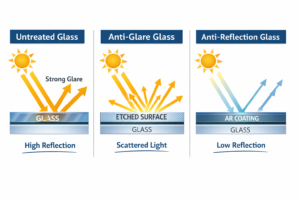
Einleitung Industrielle Bildschirme werden häufig in Umgebungen eingesetzt, in denen die Lichtverhältnisse schwer zu kontrollieren sind. Ausrüstung ...
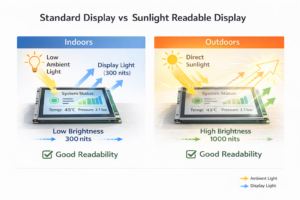
Einleitung Displays sind eine wichtige Schnittstellenkomponente in vielen Arten von Industrieanlagen. Sie bieten System ...
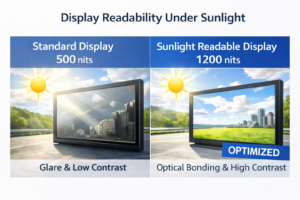
Einleitung Die Sichtbarkeit von Displays ist ein entscheidender Konstruktionsparameter bei Industrieanlagen. Die Bediener verlassen sich auf grafische Schnittstellen ...
Senden Sie uns Ihre Anwendungsdetails. Wir antworten mit einer Konfigurationsanweisung und den nächsten Schritten.