Industrial Displays for Transportation Systems
Transportation equipment relies on stable display interfaces for system monitoring, passenger information, and operational control. In vehicle and transit environments, display selection is typically influenced by vibration stability, readability under changing lighting conditions, and reliable operation during long duty cycles.
Display Interfaces for Vehicle and Transit Equipment
In transportation systems, displays are often integrated into operator consoles, onboard monitoring systems, or passenger service equipment. These interfaces provide operational data, system feedback, and user guidance during daily transit operations.
Engineering review usually considers vibration tolerance, installation stability, readability under varying ambient light, and reliable performance across long equipment service lifecycles.
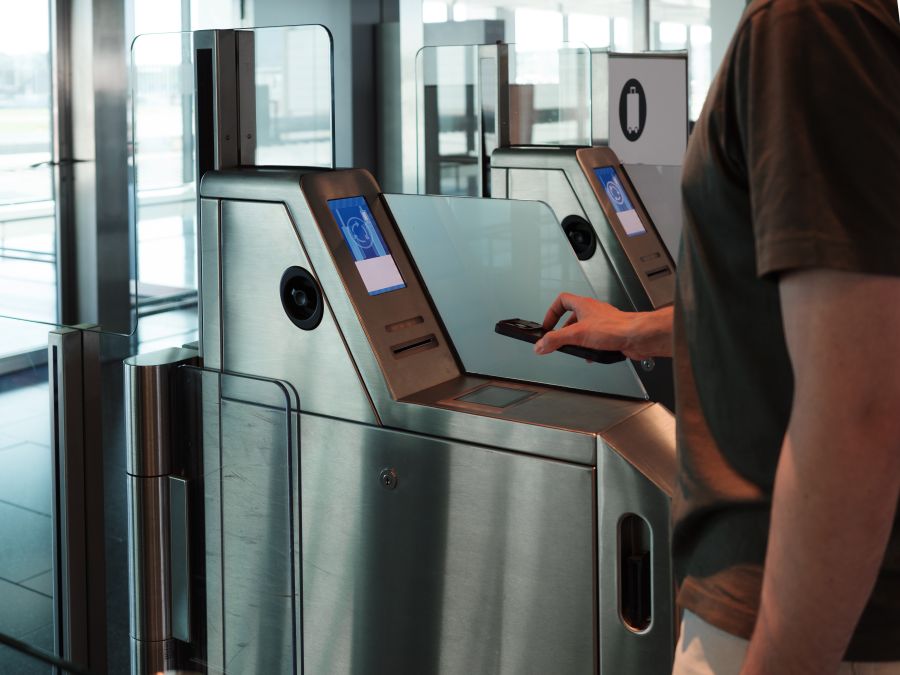
Common installations include railway control equipment, vehicle monitoring systems, onboard terminals, and transit service machines.
Why Transportation Display Review Is Usually Environment- and Continuity-Driven
In transportation projects, the key issue is usually not whether a display can present information. The practical question is whether the interface can remain stable under motion, readable under changing light, and maintainable across long service cycles in equipment that often stays in operation for years.
The Display Is Part of the Operating Environment
In transportation systems, the display is usually influenced by equipment motion, variable ambient light, restricted installation space, and long operating schedules. A standard display may still create project risk if it does not align with mounting stability, visibility needs, or long-term maintenance planning.
For that reason, platform selection is often based on environmental fit and lifecycle practicality before nominal screen format alone.
Motion Stability
Vibration exposure and installation rigidity affect stable performance in vehicles and transit equipment.
Visibilité
Changing daylight, indoor lighting, and night conditions affect practical display readability.
Continuité du programme
Long service periods often require controlled replacement planning and revision continuity.
Ce que cela signifie en pratique
The suitable platform is normally selected according to installation condition, operating environment, controller structure, and expected lifecycle rather than by display size alone.
Où ces exigences d'affichage apparaissent-elles le plus souvent ?
Display systems in transportation equipment are commonly used where stable monitoring, operator interaction, or passenger guidance must remain reliable across long-duty operation.
Railway Control Systems
Operator ControlUsed in railway equipment where operators need system visibility, operational feedback, and control access during daily service conditions.
These systems often place more emphasis on interface stability and long-term continuity than on standalone display specifications.
Vehicle Monitoring Displays
Onboard UseInstalled in transport vehicles to show equipment status, monitoring data, or diagnostic information under moving operating conditions.
In these applications, vibration tolerance, mounting security, and readable presentation are usually central review points.
Transit Ticketing Machines
Public ServiceUsed in transportation hubs where users interact directly with ticketing or transaction systems in changing ambient conditions.
These projects often require a practical balance between user-facing readability, touch reliability, and service-friendly integration.
Passenger Information Terminals
Information GuidanceUsed to present schedules, routes, and service information where passengers depend on clear visibility and stable system response.
These installations often require review of readability, enclosure integration, and operating continuity across long field deployment.
Domaines d'évaluation typiques avant la sélection finale de la plate-forme
Display integration is usually reviewed according to installation stability, visibility in real operating conditions, controller alignment, and practical lifecycle continuity within the final transportation program.
Environmental and Installation Review
Mechanical stability
Display structure, mounting method, and installation rigidity are typically reviewed for vibration exposure and equipment motion.
Display readability
Visibility may be reviewed according to daylight exposure, indoor ambient lighting, glare condition, and night operation.
Enclosure and installation fit
Transportation equipment often has defined installation constraints, so fit within existing structure is usually part of early review.
System and Lifecycle Review
Compatibilité des interfaces
Displays should align with onboard controllers, computing systems, and communication architecture used in the final equipment design.
Continuous duty operation
Many transit and vehicle systems operate for extended periods, so operating profile is typically considered before final release.
Lifecycle continuity
Long service periods may require revision control, replacement planning, and PCN handling when an installed system must remain maintainable over time.
Questions fréquemment posées
Examen de l'ingénierie
Envoyez les détails de votre demande. Nous vous répondrons en vous indiquant la configuration à suivre et les prochaines étapes.