Guida all'acquisto dei fornitori di display industriali per le apparecchiature OEM
Introduzione Le interfacce uomo-macchina (HMI) sono ormai componenti standard delle moderne apparecchiature industriali. I display consentono agli operatori di ...
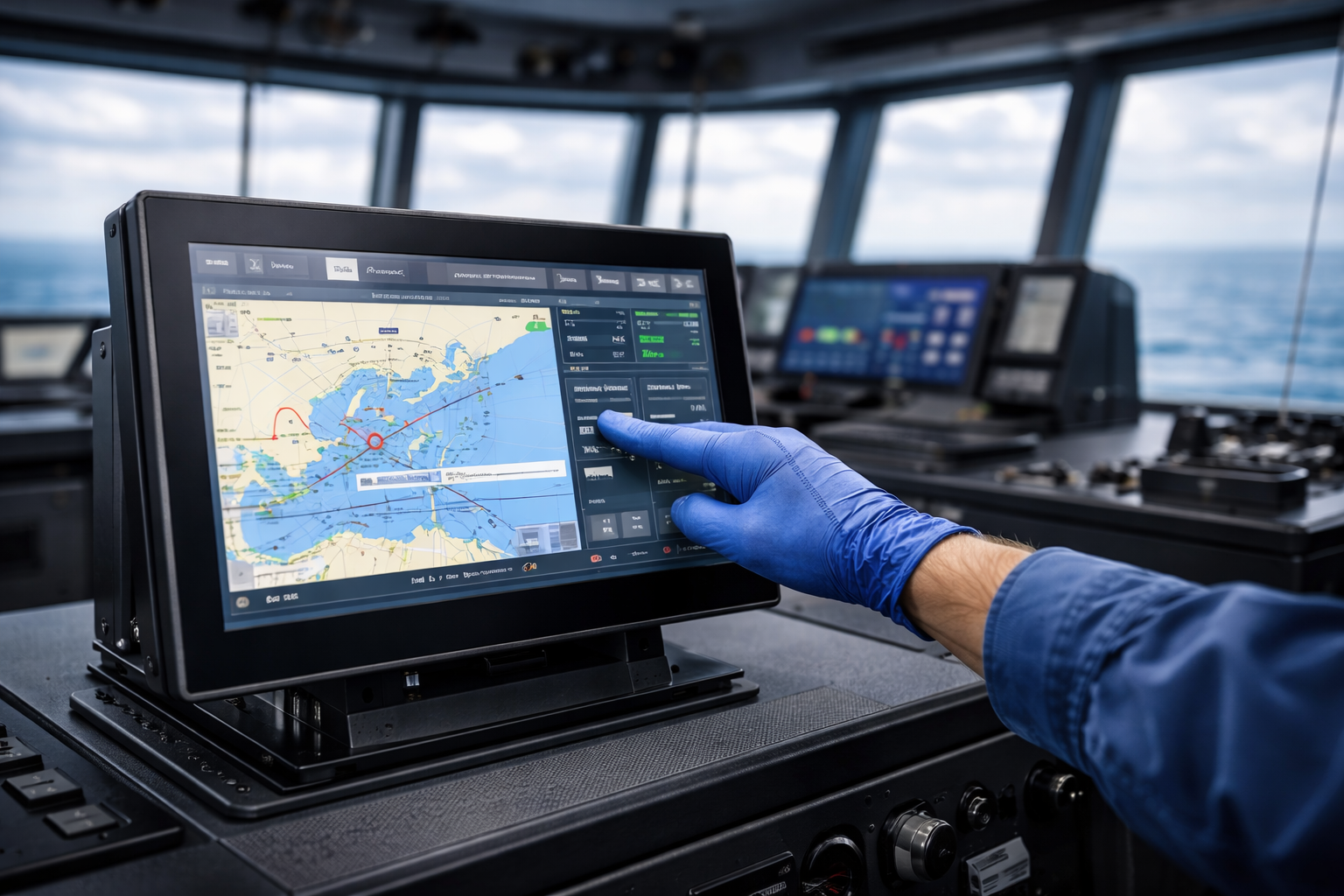
Con la crescente digitalizzazione dei sistemi marini, il modo in cui gli operatori interagiscono con le apparecchiature di bordo sta subendo una trasformazione fondamentale.
Al centro di questo cambiamento c'è tecnologia touch screen, che sta ridefinendo la navigazione, il monitoraggio e il controllo delle imbarcazioni moderne.
Non si tratta di un aggiornamento estetico, bensì di una rivoluzione funzionale nelle modalità di progettazione, gestione e manutenzione dei sistemi marini.
Gli ambienti di controllo marini tradizionali si basavano su:
Anche se collaudati nel tempo, questi sistemi faticano a soddisfare le esigenze delle imbarcazioni moderne, dove navigazione, propulsione, comunicazione e sistemi di monitoraggio devono funzionare insieme in tempo reale.
Le interfacce touch screen consolidano queste funzioni in punti di controllo digitali integrati, riducendo la complessità e migliorando la consapevolezza della situazione.
Le imbarcazioni moderne dipendono da più fonti di dati:
I display touch screen consentono agli operatori di accesso, visualizzazione e controllo di più sistemi da un'unica interfaccia, migliorando il processo decisionale sia nelle operazioni di routine che nelle situazioni critiche.
Gli ambienti marini richiedono chiarezza e velocità.
Le interfacce HMI touch-based consentono:
Questo migliora la consapevolezza della situazione, soprattutto in caso di corsi d'acqua congestionati, condizioni meteorologiche avverse o scenari ad alto carico di lavoro.
I touch screen marini sono progettati per ambienti che includono:
I display touch professionali per uso marino sono in genere caratterizzati da:
Queste caratteristiche sono essenziali per operazioni marittime critiche.
Lo spazio in plancia e in sala controllo è limitato.
La sostituzione di grandi schiere di comandi meccanici con schermi tattili consente:
Questo è particolarmente prezioso per le imbarcazioni dove l'ottimizzazione dello spazio ha un impatto diretto sull'usabilità e sulla sicurezza.
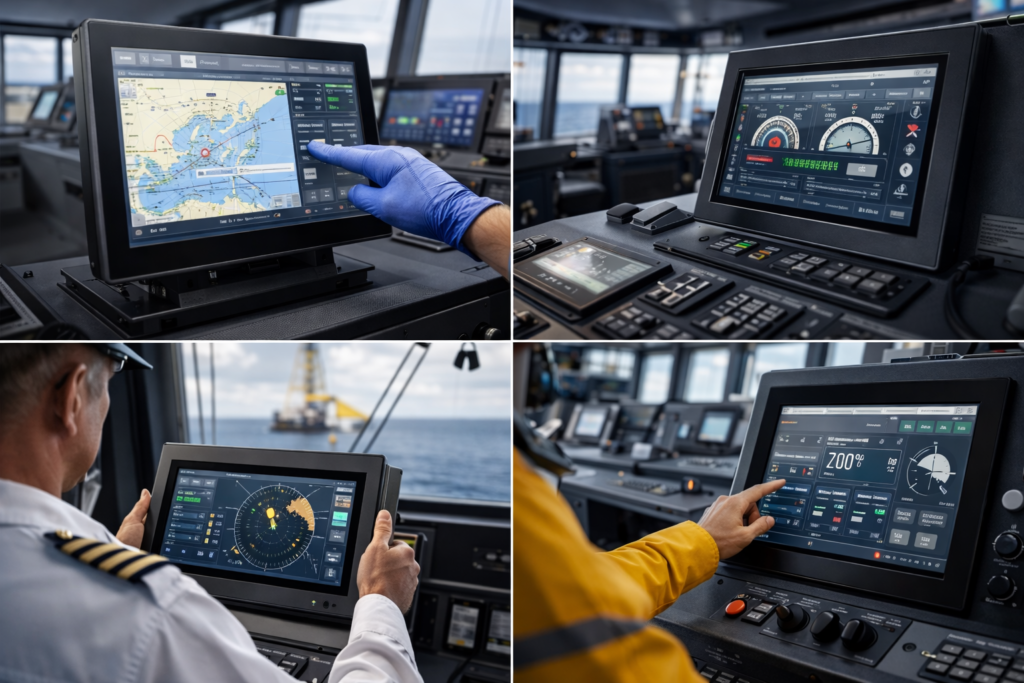
La tecnologia touch screen è oggi ampiamente utilizzata nei sistemi marini e offshore, tra cui:
In tutti i casi, i touch screen fungono da interfaccia primaria uomo-macchina collegare gli operatori a sistemi complessi.
I progetti marini spesso richiedono specifiche costanti per molti anni, per cui è fondamentale una fornitura a lungo termine e una selezione stabile dei componenti.
I touch screen di fascia consumer non sono progettati per:
Domanda di sistemi marini e professionali soluzioni touch appositamente studiate, spesso personalizzati in base al design del contenitore, ai requisiti di interfaccia e all'esposizione ambientale.
Lavorare con un produttore di touch esperto aiuta a garantire:
Man mano che le imbarcazioni diventano sempre più connesse e guidate dal software, gli schermi tattili si stanno trasformando da semplici display a interfacce di sistema strategiche.
Influenzano:
La tecnologia touch screen non fa più parte solo dei sistemi navali: sta plasmando il modo in cui le moderne imbarcazioni vengono navigate e controllate.
La rivoluzione del touch screen negli ambienti marini rappresenta un cambiamento verso sistemi di controllo integrati, intuitivi e resilienti.
Consentendo una migliore interazione tra l'uomo e la tecnologia di bordo, i touch screen aiutano gli operatori marittimi a navigare nei mari digitali con maggiore sicurezza e controllo.
Se state sviluppando o aggiornando un sistema di controllo marino o professionale, la scelta della giusta soluzione touch screen può ridurre significativamente i rischi e migliorare le prestazioni a lungo termine.
Richiesta di preventivo o Contatto per discutere i requisiti della vostra applicazione marina.
Introduzione Le interfacce uomo-macchina (HMI) sono ormai componenti standard delle moderne apparecchiature industriali. I display consentono agli operatori di ...
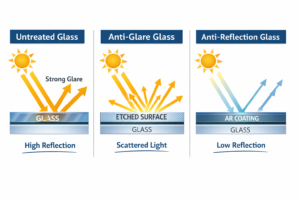
Introduzione I display industriali sono spesso utilizzati in ambienti in cui le condizioni di illuminazione sono difficili da controllare. Apparecchiature ...
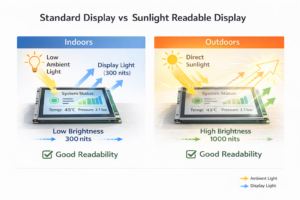
Introduzione I display sono un componente di interfaccia fondamentale in molti tipi di apparecchiature industriali. Forniscono al sistema ...
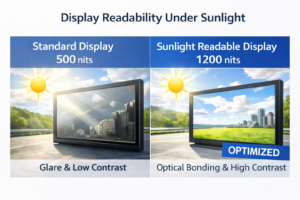
Introduzione La visibilità del display è un parametro critico nella progettazione delle apparecchiature industriali. Gli operatori si affidano alle interfacce grafiche ...
Inviate i dettagli della vostra applicazione. Risponderemo con la direzione della configurazione e le fasi successive.