Guida all'acquisto dei fornitori di display industriali per le apparecchiature OEM

Introduzione Le interfacce uomo-macchina (HMI) sono ormai componenti standard delle moderne apparecchiature industriali. I display consentono agli operatori di ...
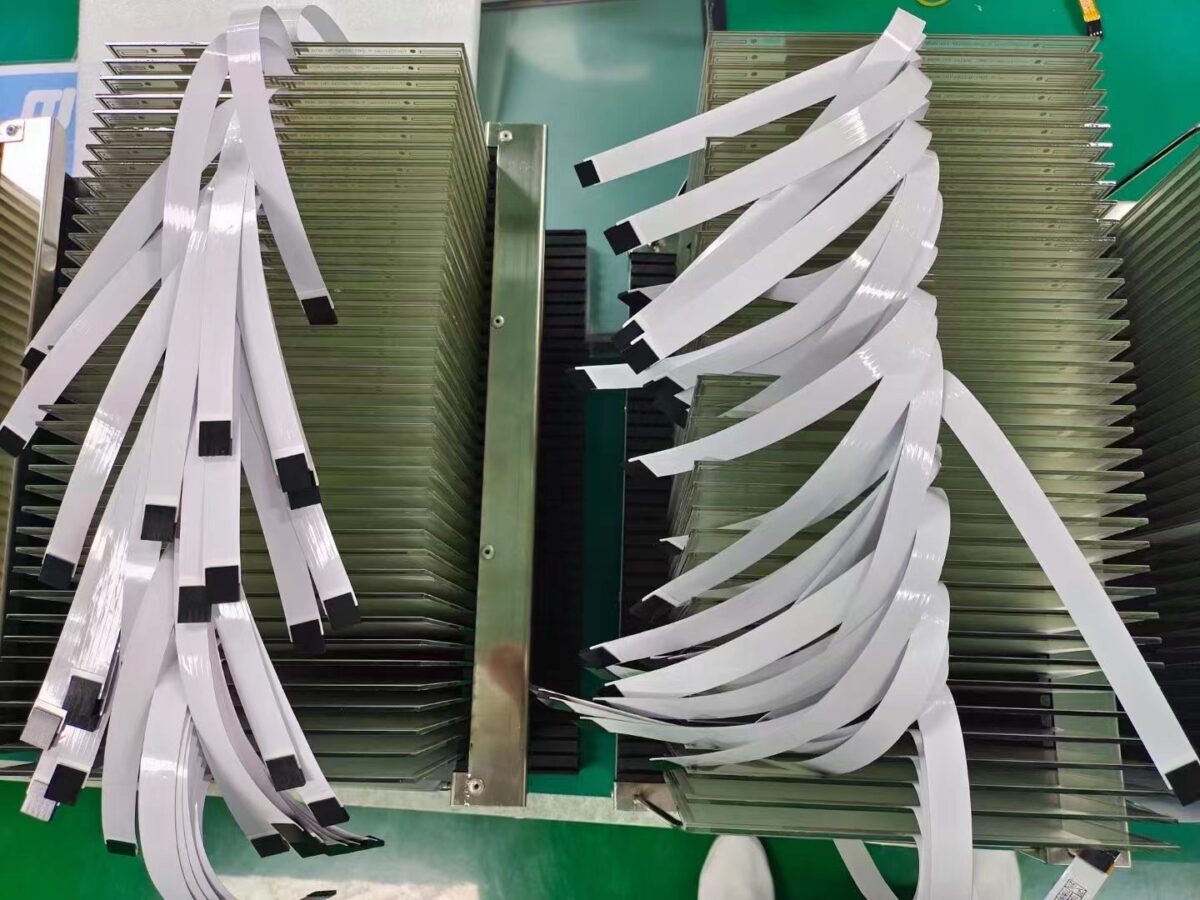
I touchscreen resistivi restano una delle tecnologie touch più affidabili e diffuse nelle applicazioni industriali e professionali.
A differenza dei touchscreen capacitivi di largo consumo, i touchscreen resistivi sono attivati dalla pressione e funzionano con le dita, i guanti, le penne stilo o qualsiasi altro oggetto solido.
Grazie alla loro stabilità, prevedibilità e resistenza ambientale, i touchscreen resistivi continuano a essere la soluzione preferita per i sistemi di controllo industriali, le apparecchiature mediche e i progetti OEM che richiedono una disponibilità a lungo termine.
Questa guida spiega:
A touchscreen resistivo è un dispositivo di input sensibile alla pressione costituito da due strati conduttivi trasparenti separati da un sottile spazio. Quando si applica una pressione, gli strati entrano in contatto e il controller rileva la posizione del tocco.
Le caratteristiche principali includono:
Questo rende la tecnologia resistiva particolarmente adatta per applicazioni industriali, mediche e per esterni.
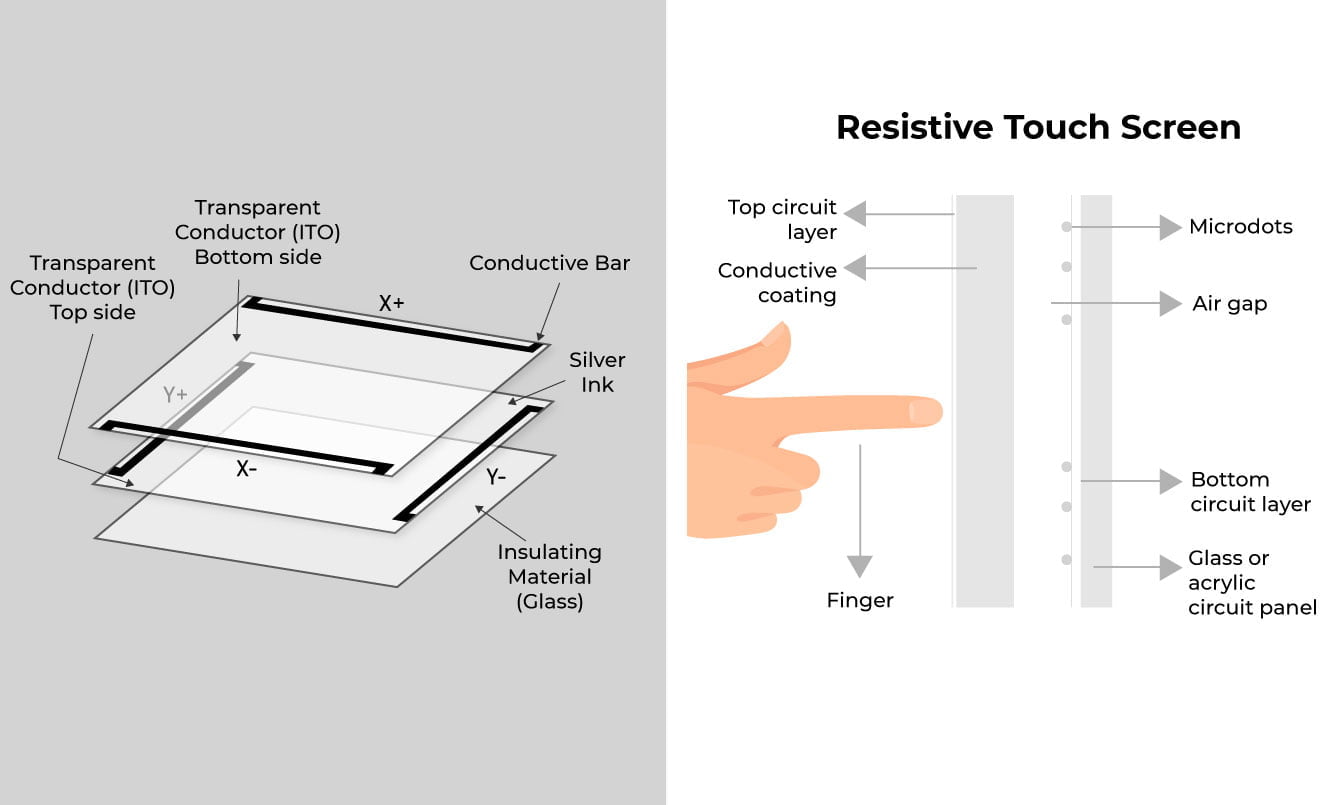
Quando si applica una pressione sullo schermo:
Poiché il sistema si basa sulla pressione fisica piuttosto che sulla conducibilità elettrica, i touchscreen resistivi funzionano in modo affidabile in ambienti polverosi, umidi o elettricamente rumorosi.
Per le applicazioni che richiedono durata operativa prolungata e prestazioni stabili, In genere si consiglia la tecnologia resistiva a 5 fili.
| Caratteristica | Touchscreen resistivo | Touchscreen capacitivo |
|---|---|---|
| Metodo di ingresso | A pressione | Basato sulla conduttività |
| Funzionamento dei guanti | ✅ Sì | ❌ Limitato |
| Supporto per lo stilo | ✅ Sì | ❌ Limitato |
| Resistenza all'acqua | ✅ Alto | ⚠️ Moderato |
| Multi-touch | ❌ No | ✅ Sì |
| Stabilità industriale | Eccellente | ⚠️ Medio |
| Controllo dei costi | ✅ Più facile | ❌ Superiore |
Gli schermi tattili resistivi sono orientati alle applicazioni, mentre i touchscreen capacitivi sono più comuni nei dispositivi consumer.
I touchscreen resistivi offrono diversi vantaggi per l'uso industriale e professionale:
Questi vantaggi rendono la tecnologia resistiva ideale per interfacce mission-critical.
Sebbene gli schermi tattili resistivi siano altamente affidabili, hanno dei limiti:
Per le applicazioni in cui sono essenziali i gesti multi-touch o l'elevata chiarezza visiva, la tecnologia capacitiva può essere più adatta.
I touchscreen resistivi sono comunemente utilizzati in:
Questi ambienti danno priorità affidabilità, prevedibilità e durata rispetto all'interazione di tipo consumer.
I progetti OEM e industriali spesso richiedono:
Gli schermi tattili resistivi rispondono a questi requisiti offrendo disponibilità a lungo termine e prestazioni costanti, che è fondamentale per i programmi industriali.
Eagle Touch fornisce soluzioni touchscreen resistive personalizzate progettati per applicazioni industriali e OEM, tra cui:
Il nostro approccio ingegneristico garantisce che ogni soluzione si allinei esattamente ai requisiti delle vostre applicazioni.
Un touchscreen resistivo è spesso la scelta migliore se il progetto lo richiede:
Se state valutando la tecnologia touch per un'applicazione industriale o OEM, un touchscreen resistivo può rappresentare la soluzione più affidabile.
Introduzione Le interfacce uomo-macchina (HMI) sono ormai componenti standard delle moderne apparecchiature industriali. I display consentono agli operatori di ...
Introduzione I display industriali sono spesso utilizzati in ambienti in cui le condizioni di illuminazione sono difficili da controllare. Apparecchiature ...
Introduzione I display sono un componente di interfaccia fondamentale in molti tipi di apparecchiature industriali. Forniscono al sistema ...
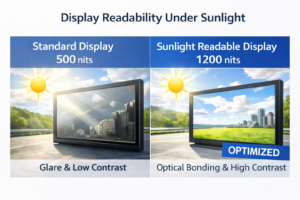
Introduzione La visibilità del display è un parametro critico nella progettazione delle apparecchiature industriali. Gli operatori si affidano alle interfacce grafiche ...
Inviate i dettagli della vostra applicazione. Risponderemo con la direzione della configurazione e le fasi successive.