Introduzione
Nelle apparecchiature industriali, i guasti ai display si verificano raramente come eventi improvvisi. La maggior parte dei guasti si sviluppa gradualmente come risultato di stress termico a lungo termine che si accumula durante il funzionamento.
I display industriali sono comunemente utilizzati in apparecchiature che funzionano in modo continuo, sono installati in involucri sigillati o sono esposti a temperature ambientali elevate. In questi ambienti, gestione termica dei display industriali diventa un fattore importante che influisce sull'affidabilità del sistema e sulla durata di vita operativa.
A differenza dell'elettronica di consumo, i sistemi di visualizzazione industriali sono destinati a funzionare per molti anni con un accesso limitato alla manutenzione. Sono spesso integrati in:
- armadi di controllo
- chioschi per esterni
- Stazioni di ricarica per veicoli elettrici
- attrezzature per l'automazione di fabbrica
- terminali per infrastrutture intelligenti
In queste installazioni, il flusso d'aria è spesso limitato e le condizioni ambientali sono meno prevedibili.
A causa di questi vincoli, l'aumento della temperatura interna è inevitabile. La sfida ingegneristica non consiste nell'eliminare completamente il calore, ma nell'assicurare che la generazione, la distribuzione e la dissipazione del calore rimangono controllate e prevedibili per tutto il ciclo di vita del dispositivo.
Le sollecitazioni termiche raramente causano guasti immediati. Invece, la temperatura elevata accelera simultaneamente diversi meccanismi di invecchiamento, tra cui:
- Degrado della retroilluminazione a LED
- usura dei condensatori nei circuiti di potenza
- deriva dei componenti elettronici
- fatica meccanica da cicli termici
Per i tecnici OEM che integrano touch screen industriali, monitor industriali o display per PC a pannello, La comprensione del comportamento termico del sottosistema di visualizzazione è essenziale per ottenere l'affidabilità del sistema a lungo termine.
Che cos'è la gestione termica nei display industriali?
Gestione termica dei display industriali si riferisce alle strategie di progettazione utilizzate per controllare le temperature interne e prevenire il surriscaldamento localizzato all'interno del gruppo del display.
Queste strategie operano su più livelli del sistema:
- generazione di calore a livello di componente
- strutture meccaniche di diffusione del calore
- dissipazione del calore a livello di involucro
- esposizione termica ambientale
L'obiettivo è mantenere stabili le temperature di funzionamento dei sottosistemi critici, tra cui:
- Gruppi di retroilluminazione a LED
- circuiti di regolazione della potenza
- controllori di temporizzazione e circuiti integrati di interfaccia del display
- elettronica di rilevamento tattile
Sebbene il display sia solo una parte di un sistema elettronico più ampio, spesso diventa una delle parti più importanti. i componenti più termosensibili. Questo perché i componenti ottici, l'elettronica di potenza e i circuiti di elaborazione del segnale sono integrati in un modulo relativamente compatto.
Un sistema termico ben progettato consente al calore generato internamente di spostarsi attraverso percorsi di conduzione definiti e di dissipare attraverso l'involucro o la struttura circostante. Senza questi percorsi termici, il calore si accumula all'interno del modulo del display e accelera l'invecchiamento dei componenti.
Fonti primarie di calore all'interno dei display industriali
La comprensione del comportamento termico inizia con l'identificazione dei punti in cui il calore viene generato all'interno del sottosistema del display.
Sistema di retroilluminazione a LED
Nella maggior parte dei display industriali, il Gruppo di retroilluminazione a LED è la fonte dominante di generazione di calore.
La luminosità del display è direttamente collegata alla corrente di pilotaggio dei LED. Una maggiore luminosità richiede un aumento della corrente, con conseguente innalzamento dei costi di gestione. Temperatura di giunzione del LED.
L'elevata temperatura di giunzione accelera diversi meccanismi di degrado:
- decadimento della luminanza
- spostamento del colore
- riduzione della durata di vita di L70
Anche un moderato aumento della temperatura di giunzione dei LED può ridurre significativamente la durata della retroilluminazione. Per questo motivo, i display ad alta luminosità utilizzati in applicazioni esterne devono gestire con attenzione il calore, in quanto operano in condizioni di corrente di pilotaggio elevata e temperatura ambientale elevata.
Circuiti di regolazione e conversione di potenza
I display industriali includono tipicamente più stadi di regolazione dell'alimentazione, quali:
- Driver LED
- Convertitori DC-DC
- regolatori di tensione
Questi circuiti funzionano continuamente e generano calore localizzato sulla scheda di alimentazione.
L'esposizione a lungo termine a temperature elevate accelera l'invecchiamento dei componenti vicini, in particolare condensatori elettrolitici. La durata del condensatore dipende fortemente dalla temperatura e lo stress termico in questa regione può portare all'instabilità della tensione o alla riduzione dell'affidabilità dell'erogazione di energia in una fase avanzata del ciclo di vita del sistema.
Elettronica di controllo e componenti di interfaccia
Anche i controllori di temporizzazione (TCON), i circuiti integrati di interfaccia del display e i componenti di elaborazione del segnale contribuiscono al carico termico.
Sebbene questi componenti generino meno calore rispetto al sistema di retroilluminazione, possono creare punti caldi localizzati all'interno di aree PCB compatte.
Senza un'efficace diffusione del calore, questi punti caldi possono contribuire a:
- fatica del giunto di saldatura
- deriva dei parametri dei semiconduttori
- maggiore sensibilità ai cicli termici
Nei moduli display strettamente integrati, queste zone termiche localizzate spesso influenzano l'affidabilità elettronica a lungo termine.
Come la temperatura accelera l'invecchiamento dei display
La temperatura influisce su diversi meccanismi di affidabilità dei sistemi di visualizzazione industriali.
Degrado della retroilluminazione
La durata della retroilluminazione a LED dipende fortemente dalla temperatura.
Le temperature di esercizio più elevate aumentano le sollecitazioni sulle giunzioni dei LED e accelerano il decadimento del flusso luminoso. Di conseguenza, i display possono perdere luminosità più rapidamente del previsto, anche quando funzionano secondo le specifiche nominali.
Display utilizzati per leggibili alla luce del sole o per applicazioni esterne sono particolarmente sensibili a questo effetto.
Invecchiamento dei componenti elettronici
Anche i componenti elettronici all'interno del gruppo del display subiscono un invecchiamento accelerato a temperature elevate.
I condensatori elettrolitici perdono gradualmente l'elettrolito nel corso del tempo, riducendo la capacità e aumentando la resistenza in serie equivalente (ESR). Anche le caratteristiche dei semiconduttori possono subire una deriva in caso di stress termico prolungato, con conseguenze sulla regolazione della tensione o sull'integrità del segnale.
Una regola ingegneristica comunemente citata suggerisce che la durata di vita di molti componenti elettronici si dimezza all'incirca per ogni aumento di 10 °C della temperatura operativa. Anche se semplificato, questo illustra come uno stress termico prolungato possa ridurre la durata del sistema.
Fatica meccanica da ciclo termico
I display industriali sono spesso soggetti a ripetuti cicli di riscaldamento e raffreddamento durante il funzionamento quotidiano.
Questi cicli creano un'espansione e una contrazione meccanica:
- giunti a saldare
- Substrati di PCB
- interfacce del connettore
Per lunghi periodi di impiego, i cicli termici possono contribuire a guasti dovuti alla fatica, in particolare in ambienti con ampie fluttuazioni della temperatura ambiente.
Stabilità del sistema touch
Nei sistemi touch-enabled, la temperatura può anche influenzare la stabilità dell'elettronica di rilevamento.
I controllori tattili capacitivi proiettati si basano su misurazioni precise del segnale attraverso le griglie dei sensori. La deriva termica può influire sulla stabilità della calibrazione, provocando variazioni graduali della sensibilità o della precisione del tocco.
Per le apparecchiature che dipendono fortemente dall'interazione con l'operatore, il mantenimento di prestazioni tattili stabili nell'intero intervallo di temperatura è un requisito importante per la progettazione.
Strategie di progettazione termica per i display industriali
Una gestione termica efficace richiede decisioni di progettazione coordinate tra il modulo del display e l'involucro del sistema.
Strutture di diffusione del calore
Molti display industriali incorporano alloggiamenti posteriori in metallo o piastre interne di diffusione del calore. Queste strutture distribuiscono il calore su una superficie più ampia, riducendo i punti caldi localizzati.
Le coperture posteriori in alluminio sono ampiamente utilizzate grazie al loro equilibrio tra:
- conduttività termica
- rigidità strutturale
- efficienza del peso
Materiali per l'interfaccia termica
I materiali di interfaccia termica (TIM) migliorano il trasferimento di calore tra il gruppo del display e lo chassis del sistema.
I pad o i composti termici riempiono le microscopiche fessure d'aria che altrimenti ridurrebbero l'efficienza della conduzione. La scelta corretta dei materiali di interfaccia garantisce che il calore si sposti in modo efficiente dal modulo del display alla struttura dell'involucro.
Dissipazione del calore a livello di involucro
In molti prodotti industriali, l'involucro stesso funziona come parte del sistema termico.
Gli involucri metallici possono fungere da dissipatori di calore passivi, diffondendo il calore sulla superficie dello chassis e dissipandolo per convezione naturale.
L'efficacia di questo approccio dipende da:
- Materiale dell'involucro
- superficie
- condizioni del flusso d'aria circostante
Riduzione della luminosità
Per i display ad alta luminosità, il margine termico può talvolta essere migliorato attraverso declassamento della luminosità.
Il funzionamento della retroilluminazione al di sotto della luminanza massima riduce la corrente del LED e la temperatura di giunzione. In molte applicazioni, questo compromesso consente di aumentare significativamente la durata della retroilluminazione, mantenendo una leggibilità accettabile.
Condizioni ambientali che aumentano il rischio termico
Le prestazioni termiche devono sempre essere valutate nell'ambiente di utilizzo reale.
Contenitori sigillati
I display installati in armadi o chioschi sigillati possono accumulare calore a causa del flusso d'aria limitato.
Senza ventilazione o percorsi di conduzione definiti, le temperature interne possono aumentare in modo significativo rispetto alle condizioni ambientali.
Installazioni esterne
Le attrezzature per esterni sono esposte a radiazione solare, che può aumentare la temperatura dell'involucro ben oltre la temperatura dell'aria circostante.
Questo carico solare può combinarsi con il calore generato internamente e creare condizioni termiche difficili per i sistemi di visualizzazione.
Architetture fanless
I sistemi fanless eliminano le parti in movimento e riducono i requisiti di manutenzione. Tuttavia, si affidano interamente a dissipazione passiva del calore.
In questi progetti, la conduzione del calore attraverso i componenti strutturali diventa il meccanismo principale per il controllo termico.
Applicazioni tipiche
La gestione termica svolge un ruolo importante in molti sistemi industriali che si basano su interfacce di visualizzazione.
Le applicazioni tipiche includono:
Stazioni di ricarica per veicoli elettrici
Le apparecchiature di ricarica all'aperto funzionano ininterrottamente e spesso sono soggette a condizioni di chiusura ermetica e al riscaldamento solare.
Apparecchiature per l'automazione industriale
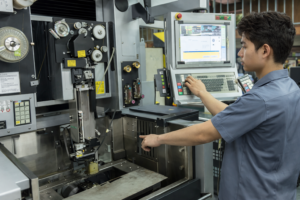
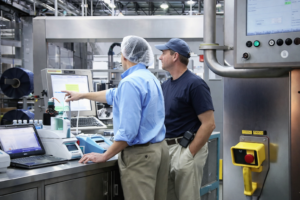
I pannelli operatore e le interfacce HMI di fabbrica devono mantenere prestazioni stabili nonostante le elevate temperature ambientali e le lunghe ore di funzionamento.
Chioschi pubblici e terminali di servizio
I chioschi spesso combinano display ad alta luminosità con pannelli frontali sigillati che limitano il flusso d'aria.
Dispositivi per infrastrutture intelligenti
I terminali di trasporto, i sistemi di parcheggio e i dispositivi di controllo degli accessi richiedono un'affidabilità a lungo termine con un accesso minimo alla manutenzione.
Questi sistemi spesso integrano touch screen industriali, monitor industriali, o PC a pannello incorporati, dove il comportamento termico del display influisce direttamente sull'affidabilità complessiva del sistema.
Quando la gestione termica diventa critica
La gestione termica diventa particolarmente importante nei sistemi con le seguenti caratteristiche:
- funzionamento continuo 24 ore su 24, 7 giorni su 7
- requisiti di alta luminosità
- involucri sigillati
- impiego all'aperto
- architettura fanless
- lunga durata prevista
In questi ambienti, il margine termico influisce direttamente sul costo del ciclo di vita, sugli intervalli di manutenzione e sull'affidabilità a lungo termine sul campo.
Conclusione
Il comportamento termico è uno dei fattori più importanti che determinano la durata di vita dei display industriali.
All'interno di un gruppo display, il calore è generato principalmente da:
- il sistema di retroilluminazione a LED
- circuiti di regolazione della potenza
- elettronica di controllo
Nel tempo, le temperature elevate accelerano l'invecchiamento dei componenti, riducono la stabilità della luminosità e aumentano la probabilità di deriva elettronica o di affaticamento meccanico.
Poiché molti sistemi industriali funzionano in modo continuo e con un flusso d'aria limitato, la progettazione termica deve essere presa in considerazione sia a livello di livello di visualizzazione e il livello dell'involucro del sistema.
Una gestione termica efficace combina strutture di diffusione del calore, percorsi di conduzione, integrazione dell'involucro e margini operativi adeguati.
In definitiva, la durata di vita di un display industriale non è definita solo dalle specifiche dei componenti, ma da quanto efficacemente la temperatura è controllata in condizioni di impiego reali.