パネルPCと産業用コンピュータ:アーキテクチャと統合の違い
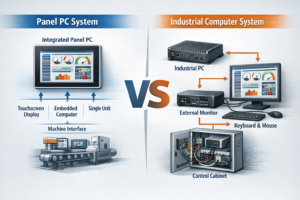
はじめに 産業用システムの設計において、適切なコンピューティング・アーキテクチャを選択することは、システムの信頼性や統合の複雑性に直接影響する、, ...
A カスタム太陽光読み取りモニター を満たすように設計されている。 特定の屋外または高照度条件 標準的な市販のディスプレイでは対応しきれない。.
2026年、カスタマイズは一般的に明るさを増す以上のものを伴う。必要なのは システムレベルエンジニアリング, オプティカルボンディング、表面処理、堅牢な機械設計、環境保護、長期信頼性計画など。.
このガイドでは 太陽光で読みやすいモニターをカスタマイズする方法, OEMやプロジェクトチームが要件を明確に定義し、コストのかかる設計ミスを回避できるよう支援します。.
標準的な屋外モニターは、基本的な設置には使えるかもしれないが カスタマイズが必要になる あなたのプロジェクトが関与する場合:
カスタムソリューションを必要とする典型的なプロジェクトには、次のようなものがある。 屋外キオスク、EV充電器、産業用HMI、輸送システム、舶用機器、農業機械、エネルギーインフラ.
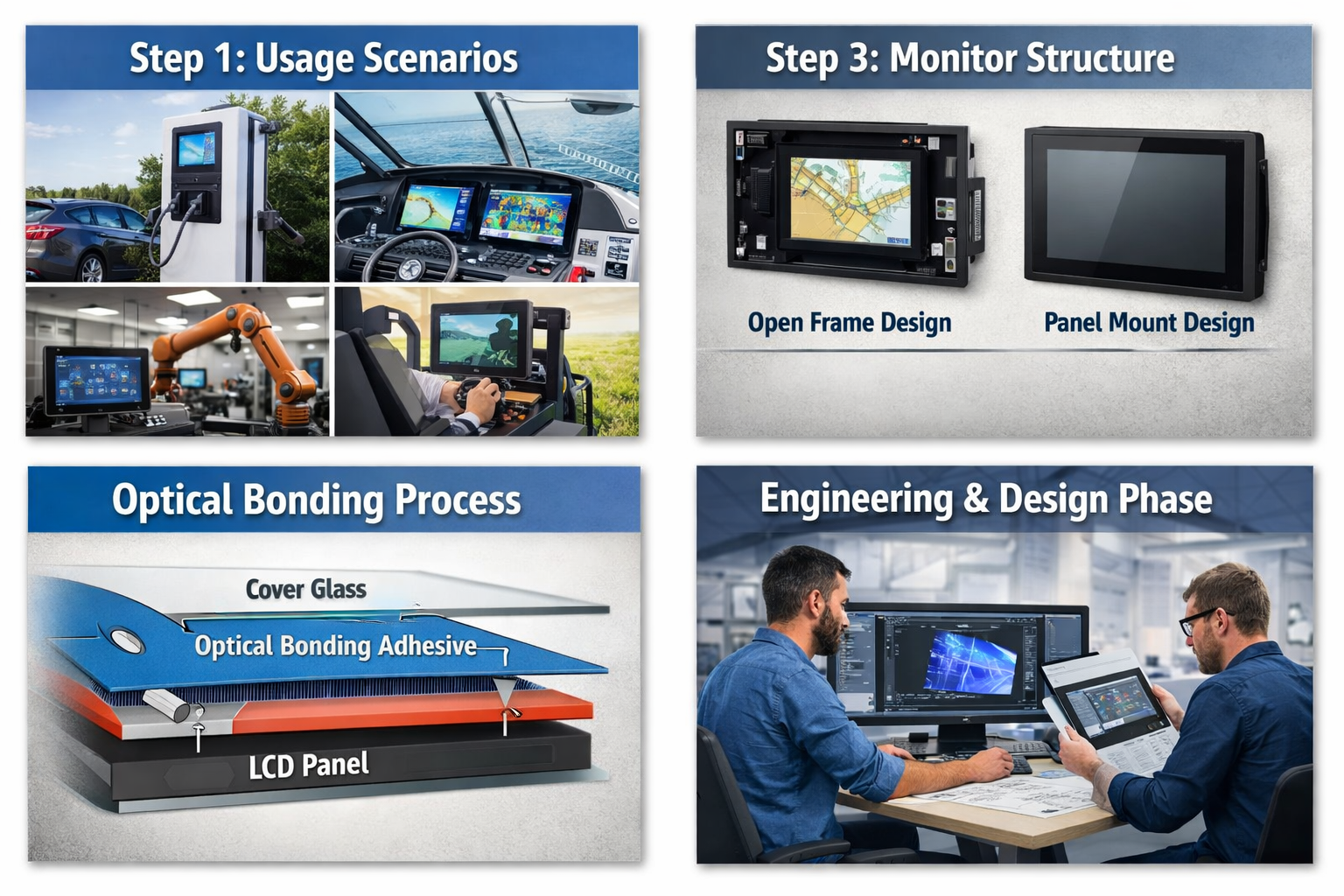
カスタマイズは理解することから始まる モニターの使用場所と使用方法. .このステップは、その後のすべての技術的な決断に影響を与える。.
主な質問は以下の通り:
たとえば、道路脇のEV充電器は、船舶用ナビゲーション・コンソールや工場のヤードHMIとはまったく異なる設計優先順位を必要とする。.
機械的な構造は、次の2つを決定する。 耐久性と統合互換性.
一般的な設計オプションは以下の通り:
重要な考慮事項
強化されたディスプレイでも、取り付け設計を見落とせば故障する可能性がある。.
これが日光の読みやすさの核心である。.
明るさだけでは十分ではない。光学設計も同様に重要な役割を果たす。.
オプティカルボンディングは、液晶ディスプレイとカバーガラスの間のエアギャップをなくす:
2026年、光結合が検討される 本格的なアウトドア・プロジェクトのスタンダード.
タッチの性能は、その両方にマッチしなければならない。 環境条件とユーザーの行動.
一般的なオプションは以下の通り:
インターフェース・オプションには通常、次のようなものがある。 USB、RS232、またはI²C, システムアーキテクチャーとコントローラーの互換性による。.
屋外での読みやすさと耐久性は、一緒に設計されなければならない。.
定義すべき主要なパラメータ:
環境要因を無視すると、たとえ書類上では十分な輝度仕様であっても、早期故障につながることが多い。.
量産前に、カスタムモニターは、次のような検査を受ける必要がある。 構造化された検証プロセス:
この段階では、スケーリング前に設計が期待通りに機能することを確認する。.
カスタマイズは、単なる技術的な決定ではない。 ライフサイクルの決定.
主な要因は以下の通り:
十分に計画されたカスタマイズは、現場での不具合や再設計を最小限に抑えることで、長期的なコストを削減することが多い。.
イーグル・タッチが提供するもの エンジニアリング主導のカスタマイズ を含む、日光可読モニターおよび産業用タッチシステム用:
プロジェクト開始を合理化するために、私たちは 顧客要件収集フォーム これは、すべての重要な技術的詳細を早期に把握し、リスクと開発時間を削減するのに役立ちます。.
太陽光で読みやすいモニターのカスタマイズは システムレベルエンジニアリングプロセス, 単純な明るさのアップグレードではない。.
使用シナリオ、光学的要件、機械的統合、環境耐久性、ライフサイクル目標を明確に定義することで、OEMやプロジェクトチームは、以下のような屋外ディスプレイシステムを構築することができます。 読みやすく、信頼性が高く、保守しやすい 実世界の条件下で。.
2026年、屋外プロジェクトが成功 環境に逆らわず、環境とともに.
はじめに 産業用システムの設計において、適切なコンピューティング・アーキテクチャを選択することは、システムの信頼性や統合の複雑性に直接影響する、, ...
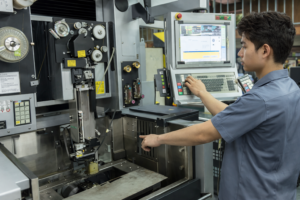
はじめに 産業用機器では、ディスプレイ・サブシステムは、より広範なヒューマン・マシン・インターフェイス(HMI)の一部であり ...
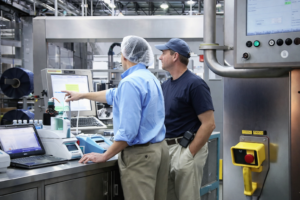
はじめに 産業機器の設計において、ヒューマン・マシン・インターフェース(HMI)は、システムの使いやすさ、信頼性、メンテナンスに直接影響する。 ...
はじめに ヒューマン・マシン・インターフェース(HMI)は、現代の産業機器の標準的な構成要素となっている。ディスプレイにより、オペレーターは以下のことが可能になる。 ...
アプリケーションの詳細をお送りください。構成の方向性と次のステップを返信します。.