産業用ディスプレイOEM機器サプライヤーバイヤガイド
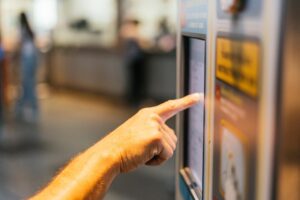
はじめに ヒューマン・マシン・インターフェース(HMI)は、現代の産業機器の標準的な構成要素となっている。ディスプレイにより、オペレーターは以下のことが可能になる。 ...
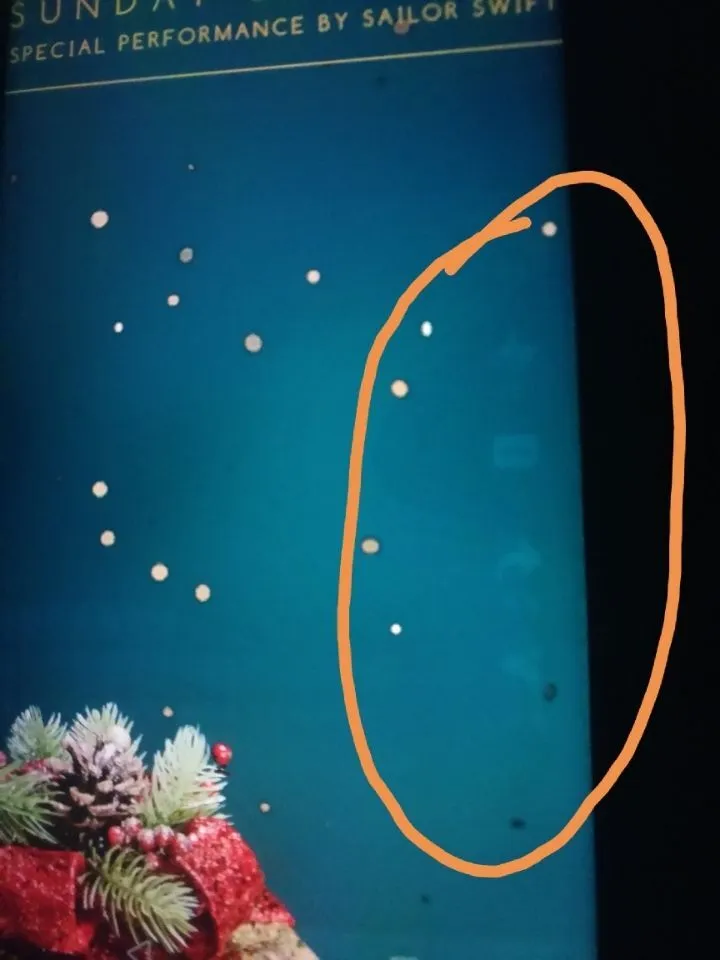
イメージ保持、一般的にはこう呼ばれる 焼き付き, 画像が変わっても、以前表示されていたコンテンツの痕跡がかすかに残っている状態を指す。.
で 産業用TFT LCDアプリケーション, ゴーストは 通常、製品の欠陥ではない, に起因する表示動作である。 パネル特性、駆動方法、使用環境、アプリケーションの使用パターンの複合効果.
この違いを理解することは、長期あるいはミッションクリティカルな配備におけるディスプレイの適性を評価する上で非常に重要である。.
工学的な見地からだ、, イメージ保持 TFT LCDで観察される損傷は、さまざまなメカニズムに起因する可能性があります。こ の タ イ プを特定す る こ と で、 リ ス ク を低減で き る か ど う か を、 選定や統合の判断で判断で き ます。.
画像の一時保存
運転またはバイアスに関連したリテンション
長期劣化関連保持
すべての要因が同じようにコントロールできるわけではない。システム設計の観点からは、以下を区別することが重要である。 設計制御可能パラメータ そして アプリケーション駆動制約.
| ファクター | エンジニアリング・コントロール | 備考 |
|---|---|---|
| LCD応答時間 | 高い | パネル選考で評価 |
| ドライバーボードのマッチング | 高い | 電気的互換性が重要 |
| 静的UI比率 | ミディアム | アプリケーションの設計と強く結びついている |
| 動作温度 | ミディアム | システムレベルの熱管理 |
| パネルの老化 | 低い | 固有のライフサイクル動作 |
ゴーストのリスクが単一のパラメータに起因することは稀で、通常は以下のような要因の結果である。 複数の限界条件が重なる.
ゴーストの可能性は、ディスプレイが現場でどのように使用されるかによって大きく異なる。.
パネル仕様だけに注目するよりも、用途がこのスペクトルのどこに位置するかを理解することの方が重要な場合が多い。.
配備後の軽減策に頼るのではなく、ゴーストリスクを評価すべきである。 選択と統合の段階で.
主な考慮事項は以下の通り:
どのTFT液晶も、あらゆる条件下で画像保持率をゼロにすることはできません。 リスクコントロール, 絶対的な排除ではない。.
工業プロジェクトでは、イメージの保持は次のような場合によく見られる。 アプリケーションの動作、電気的駆動、および熱的条件は、システムとしてではなく、独立して評価されます。.
ディスプレイの選択と統合のレビューにおいて、これらの要素は通常、長期的な適合性と運用上のリスクを判断するために一緒に評価される。.
技術的な審査は、申請内容に含まれる場合に推奨される:
お客様の用途が、長期間の静止ディスプレイ運用に適しているかどうか、ご不明ですか?
お客様の使用条件、UIの動作、環境の詳細を当社のエンジニアリングチームと共有し、実現可能性とリスクのレビューを行います。.
本コンテンツは、ディスプレイの動作評価のためのエンジニアリング・リファレンスとして意図されており、完全なシステム設計の文脈で考慮されるべきである。.
はじめに ヒューマン・マシン・インターフェース(HMI)は、現代の産業機器の標準的な構成要素となっている。ディスプレイにより、オペレーターは以下のことが可能になる。 ...
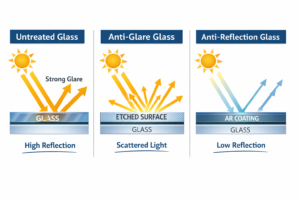
はじめに 産業用ディスプレイは、照明条件の制御が困難な環境に設置されることが多い。設備 ...
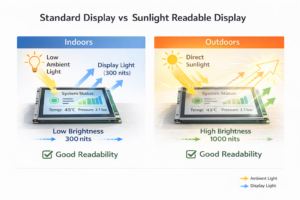
はじめに ディスプレイは、多くの種類の産業機器において重要なインターフェース・コンポーネントである。システム ...
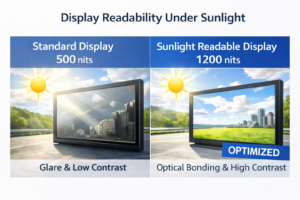
はじめに ディスプレイの視認性は、産業機器において非常に重要な設計パラメータである。オペレータはグラフィカル・インターフェース ...
アプリケーションの詳細をお送りください。構成の方向性と次のステップを返信します。.