産業用ディスプレイOEM機器サプライヤーバイヤガイド

はじめに ヒューマン・マシン・インターフェース(HMI)は、現代の産業機器の標準的な構成要素となっている。ディスプレイにより、オペレーターは以下のことが可能になる。 ...
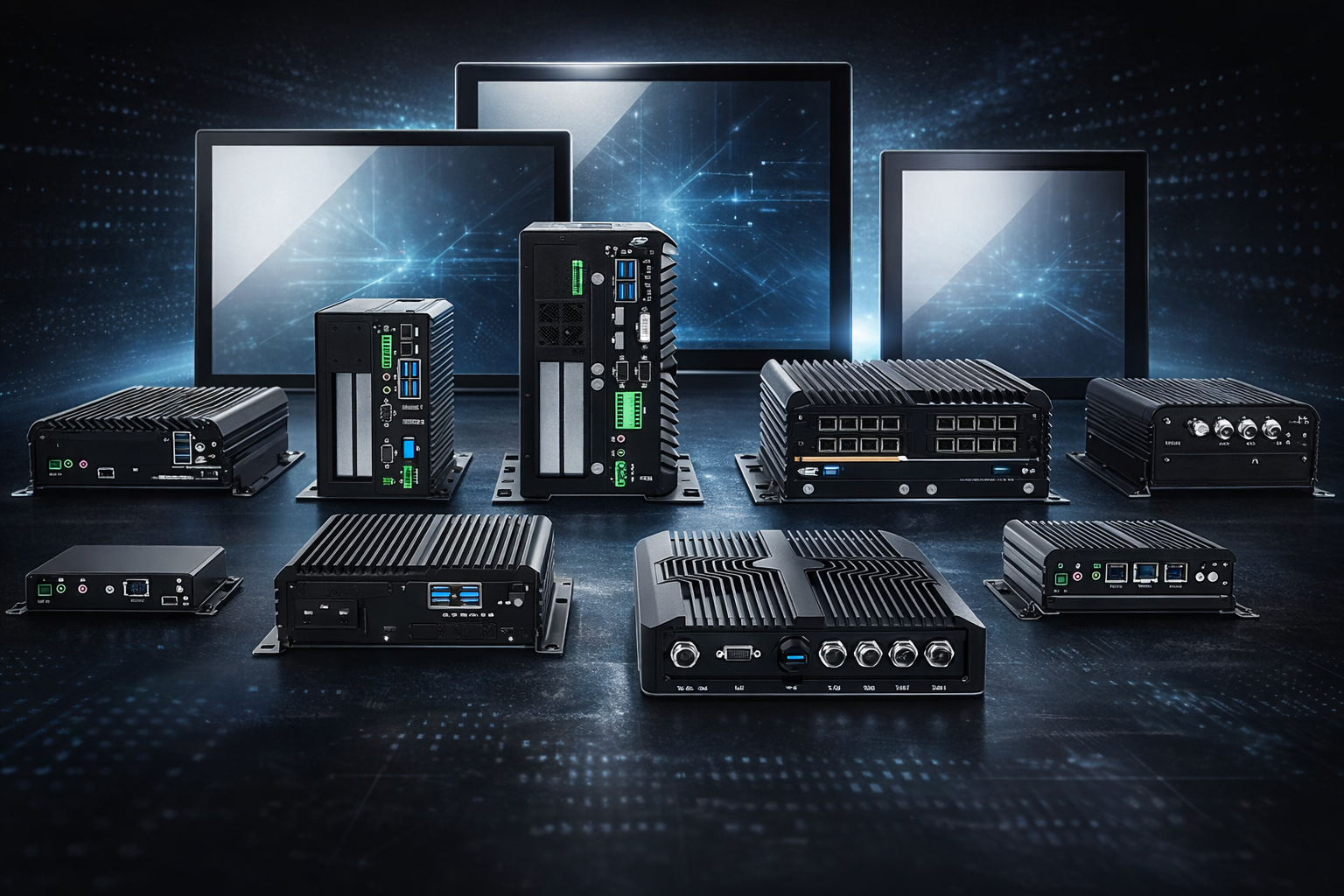
組込みコンピューティングシステムと組込みPCは、現代の産業オートメーション、スマート製造、エッジコンピューティング、コネクテッド機器における基盤技術です。汎用のデスクトップやサーバーとは異なり、これらのシステムは以下の用途に特化して構築されています。 継続的で信頼性の高い、タスクに特化した操作 過酷な環境下において。.
このガイドでは、組込みコンピューティングシステムとは何か、なぜ組込みコンピューティングシステムが産業用アプリケーションで重要なのか、そして特定のニーズに適した組込みPCの選び方について説明します。.
アン 組込みコンピューティングシステム 大規模なシステムまたは装置内で特定の制御、処理、または監視タスクを実行するように設計された専用のコンピューティング・アーキテクチャを指す。.
組込みコンピューティングシステムは、産業オートメーション、スマートマシン、ロボット工学、IIoT(Industrial Internet of Things)、デジタルサイネージ、エッジAI処理などで広く使用されている。.
アン エンベデッドPC は、専用の産業用フォームファクターにPCのコアアーキテクチャを統合した組込みコンピューティングシステムの一種である。.
コンシューマーPCとは異なる、, 組み込みPC のために設計されている。 信頼性、コンパクトなサイズ、長いライフサイクル. .一般的に配備されている:
組み込み型PCは、多くの場合、頑丈な筐体、ファンレス冷却、振動、ほこり、極端な温度、EMI(電磁干渉)のある環境でも確実に動作する産業用グレードのコンポーネントを備えています。.
| アスペクト | 組み込みPC | コンシューマーPC |
|---|---|---|
| 設計目的 | 特定の産業作業 | 一般コンピューティング |
| 動作環境 | 極端な温度、振動、ほこり | 管理された屋内 |
| 信頼性 | 24時間365日の高い稼働率 | 消費者の使用による制限 |
| 長寿 | 長いライフサイクル・サポート | 短いアップグレードサイクル |
| 拡張性 | 産業用I/O、カスタムインターフェース | 標準周辺機器 |
コンシューマ向けPCが汎用性とユーザーエクスペリエンスに重点を置いているのに対し、組込みPCは次のような用途に特化しています。 頻繁にハードウェアを変更することなく、産業グレードのシナリオで信頼性の高い義務.
組込みコンピューティング・システムは、産業オートメーションや製造業で必要とされる、24時間365日、過酷な条件下でも故障することなく稼働するように設計されています。.
多くの組み込みPCは ファンレスデザイン 埃、湿気、微粒子の侵入を防ぐ密閉ユニットにより、工場フロアや屋外設置での信頼性が大幅に向上します。.
組み込みシステムは、効率的な電力使用、低レイテンシー、予測可能なパフォーマンスにより、特定のワークロード向けに最適化されており、リアルタイム制御、IIoTゲートウェイ、エッジ処理に最適です。.
産業用PCの導入には、数年から数十年にわたるハードウェアの可用性が求められることがよくあります。組込み型PCは通常、以下を提供します。 ライフサイクルの安定性と長期的な可用性, そのため、再校正や再設計の労力が軽減される。.
低温倉庫から高温の生産ラインまで、組み込みコンピューティング・ハードウェアは、消費者向け機器が故障するような環境にも対応できるように作られている。.
組込み型PCは、信頼性が高く、特定のタスクに特化したコンピューティングが必要とされるほぼすべての分野で見受けられる:
これらのシステムは、生のセンサーデータと実用的な分析との間のギャップを埋めるもので、多くの場合、低レイテンシーと高信頼性が重要な原動力となるエッジで機能する。.
を選択する。 エンベデッドPC は万能ではありません。理想的な選択はアプリケーションの要件によって異なります。.
基本的な制御ロジックから複雑なAI推論まで、作業負荷に応じてCPU性能、メモリ、ストレージを検討する。.
動作温度範囲、耐振動性、侵入保護等級をご確認ください。.
必要な産業用インターフェイス(シリアルCOM、USB、イーサネット、CAN、GPIOなど)と拡張オプションが利用可能であることを確認します。.
ほこりや振動の多い環境では、ファンレスでコンパクトな設計が好まれる。ラックマウントやパネルマウントが必要な場合もある。.
産業用システムでは、DC24Vまたはワイドレンジ電源入力、リモート電源制御、イグニッション・センシングが必要になる場合があります。.
ユースケースに応じて、Windows、Linux、リアルタイムOSなど、ソフトウェアスタックと互換性のあるプラットフォームを選択する。.
これらの要素は、組み込み型PCをビジネスニーズや運用環境に適合させるのに役立ちます。.
各フォーム・ファクターは、特定の産業要件に対応した性能、耐久性、統合の柔軟性のバランスをとっている。.
組込みコンピューティング・システムと組込みPCは単なる部品ではない。 コアイネーブラー 現代の産業用デジタル化、自動化、エッジインテリジェンス。その信頼性、カスタマイズされた性能、過酷な環境への適応性により、今日の産業用アプリケーションに欠かせないものとなっています。.
適切な組込みPCを選ぶには、以下の点を深く理解する必要があります。 運用環境、性能ニーズ、統合の制約. .組込みコンピューティングシステムは、正しく選択された場合、長期的な安定性と効率的な運用を実現し、産業企業に大きなROIをもたらします。.
はじめに ヒューマン・マシン・インターフェース(HMI)は、現代の産業機器の標準的な構成要素となっている。ディスプレイにより、オペレーターは以下のことが可能になる。 ...
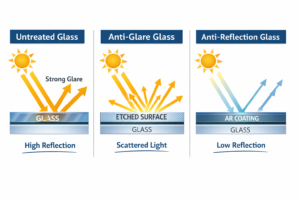
はじめに 産業用ディスプレイは、照明条件の制御が困難な環境に設置されることが多い。設備 ...
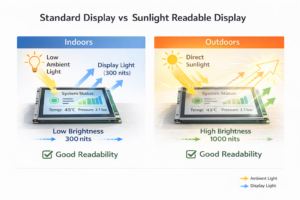
はじめに ディスプレイは、多くの種類の産業機器において重要なインターフェース・コンポーネントである。システム ...
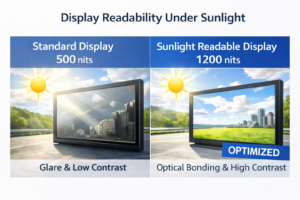
はじめに ディスプレイの視認性は、産業機器において非常に重要な設計パラメータである。オペレータはグラフィカル・インターフェース ...
アプリケーションの詳細をお送りください。構成の方向性と次のステップを返信します。.