Panel PC vs Computador Industrial: Diferenças de arquitetura e integração
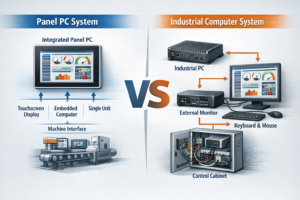
Introdução Na conceção de sistemas industriais, a seleção da arquitetura informática adequada afecta diretamente a fiabilidade e a complexidade da integração do sistema, ...

Os monitores de ecrã tátil são uma interface homem-máquina (HMI) fundamental em ambientes industriais. Ao contrário dos ecrãs de consumo, monitores industriais com ecrã tátil devem funcionar de forma fiável em condições difíceis, como vibrações, poeiras, temperaturas extremas e longas horas de funcionamento.
Do ponto de vista de um engenheiro, escolher o monitor industrial com ecrã tátil certo não tem a ver com a aparência ou a popularidade da marca - tem a ver com fiabilidade, compatibilidade e estabilidade a longo prazo. Este guia explica como fazer a escolha certa.
Os monitores industriais com ecrã tátil são concebidos para ambientes onde a falha não é uma opção. Em comparação com os ecrãs comerciais, apresentam normalmente
A seleção do tipo errado pode resultar em frequentes períodos de inatividade, problemas de integração ou redesenhos dispendiosos.
A interface tátil afecta diretamente a facilidade de utilização, a durabilidade e a compatibilidade.
As tecnologias industriais tácteis mais comuns incluem:
Sugestão de engenharia:
Para a maioria das HMIs industriais modernas, Ecrãs tácteis PCAP são a escolha preferida devido à sua durabilidade e experiência de utilização.
Os monitores industriais com ecrã tátil estão normalmente disponíveis em 7″ a 32″ e não só.
Ao selecionar o tamanho e a resolução, tenha em conta:
Evite especificar demasiado a resolução - Full HD é suficiente para a maioria das aplicações industriais e oferece uma melhor disponibilidade dos componentes a longo prazo.
Os ambientes industriais envolvem frequentemente uma forte luz ambiente.
Níveis de luminosidade recomendados:
Caraterísticas opcionais, tais como revestimento antirreflexo e ligação ótica melhorar ainda mais a visibilidade.
A montagem é frequentemente negligenciada, mas é fundamental para a integração.
As opções de montagem mais comuns incluem:
Sugestão de engenharia:
Certifique-se de que a conceção mecânica do monitor está em conformidade com as tolerâncias do armário antes de finalizar a especificação.
Os monitores industriais de ecrã tátil suportam normalmente:
Verifique sempre a compatibilidade com o PC industrial, PLC ou controlador incorporado de destino.
Os monitores industriais devem ser avaliados quanto a:
Estes factores afectam diretamente o tempo de funcionamento do sistema e o custo de manutenção.
Um dos maiores riscos nos projectos industriais é obsolescência de componentes.
Os engenheiros devem confirmar:
Isto é especialmente importante para OEM e programas industriais de longo prazo.
Em muitos sistemas industriais, os monitores de ecrã tátil estão integrados em PCs de painel industriais em vez de serem utilizados como ecrãs autónomos.
Ao planear uma solução HMI completa, é igualmente importante compreender como os PCs de painel são selecionados ao nível do sistema.
Muitos projectos industriais exigem mais do que soluções prontas a utilizar.
A personalização pode incluir:
Para projectos OEM, trabalhar com um fabricante que apoie monitores industriais de ecrã tátil personalizados pode reduzir significativamente o risco de integração.
A seleção do melhor monitor de ecrã tátil para utilização industrial exige um equilíbrio entre desempenho, durabilidade e estabilidade a longo prazo. Os engenheiros devem dar prioridade à fiabilidade, compatibilidade e apoio ao ciclo de vida em detrimento da poupança de custos a curto prazo.
Um monitor industrial com ecrã tátil bem escolhido pode funcionar de forma fiável durante anos, reduzindo o tempo de inatividade e o custo total de propriedade.
Introdução Na conceção de sistemas industriais, a seleção da arquitetura informática adequada afecta diretamente a fiabilidade e a complexidade da integração do sistema, ...
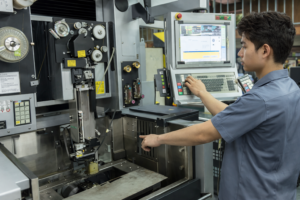
Introdução Nos equipamentos industriais, o subsistema "ecrã" faz parte de uma interface homem-máquina (IHM) mais vasta e ...
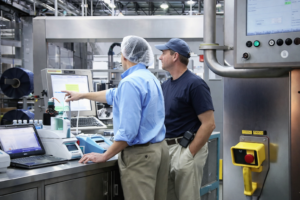
Introdução Na conceção de equipamento industrial, a interface homem-máquina (HMI) afecta diretamente a facilidade de utilização, a fiabilidade e a manutenção do sistema ...

Introdução As interfaces homem-máquina (IHM) são atualmente componentes normais dos equipamentos industriais modernos. Os ecrãs permitem aos operadores ...
Envie os detalhes da sua aplicação. Responderemos com orientações de configuração e próximos passos.