Guia do comprador do fornecedor de ecrãs industriais para equipamento OEM

Introdução As interfaces homem-máquina (IHM) são atualmente componentes normais dos equipamentos industriais modernos. Os ecrãs permitem aos operadores ...
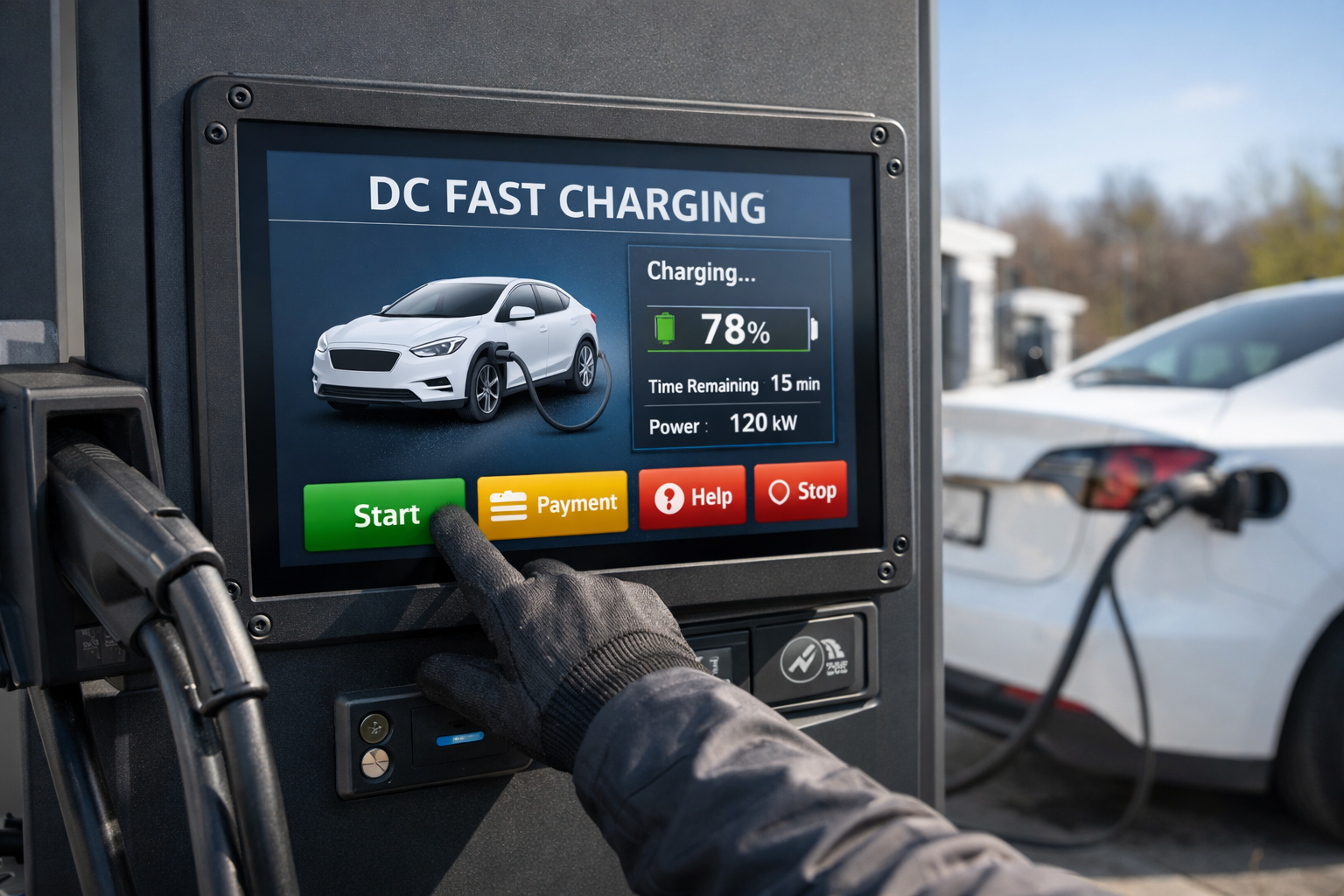
Os carregadores rápidos de corrente contínua desempenham um papel fundamental na infraestrutura moderna dos veículos eléctricos (VE).
À medida que a potência de carregamento aumenta e a interação com o utilizador se torna mais complexa, os monitores tácteis tornaram-se um componente essencial da interface em estações de carregamento rápido DC.
Ao contrário dos ecrãs de estado básicos, os monitores tácteis dos carregadores rápidos de corrente contínua devem suportar:
Este artigo explica como os monitores tácteis são utilizados nos carregadores rápidos de corrente contínua, quais os requisitos técnicos que devem cumprir e porque é que as soluções de nível industrial são essenciais.
Nos sistemas de carregamento rápido DC, os monitores tácteis funcionam como interface homem-máquina (HMI) primária.
São responsáveis por:
Uma vez que o monitor tátil afecta diretamente a facilidade de utilização e a fiabilidade, já não é uma caraterística opcional - é um componente de missão crítica.
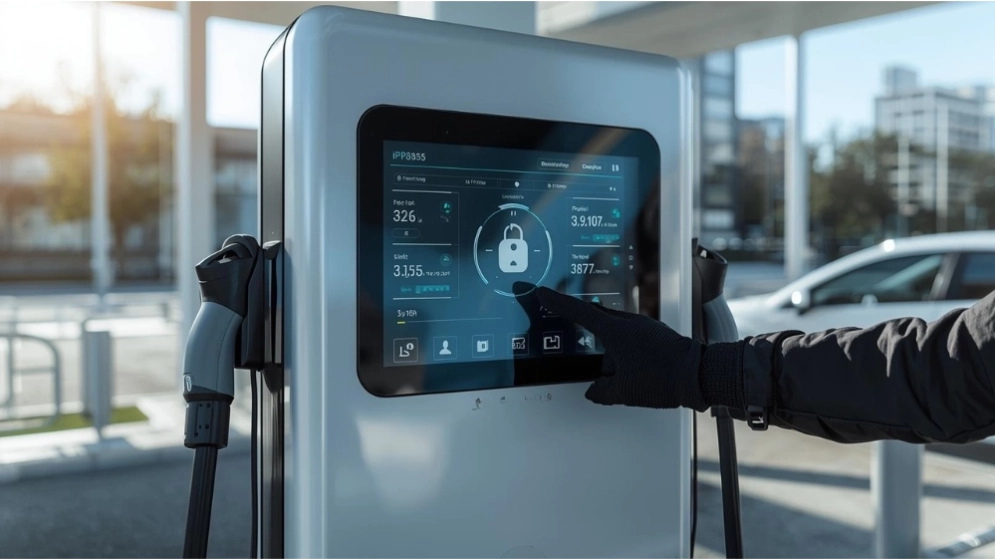
Os carregadores rápidos de corrente contínua são frequentemente instalados no exterior ou em locais semi-exteriores.
Os monitores tácteis devem permanecer legíveis sob:
Os carregadores industriais requerem normalmente ecrãs de alto brilho combinados com tratamentos ópticos como o antirreflexo ou a colagem ótica.
Os monitores tácteis dos carregadores de veículos eléctricos devem ser resistentes:
Por este motivo, os armários de nível industrial, os painéis frontais selados e vidro de cobertura temperado são normalmente utilizados.
As estações de carregamento são utilizadas em diversas condições, incluindo:
Os monitores tácteis devem ser corretamente regulados para garantir interação estável e precisa, Mesmo quando as condições não são as ideais.
A tecnologia de contacto PCAP é a opção mais utilizada nos modernos carregadores rápidos de corrente contínua devido à sua..:
É especialmente adequado para interfaces de utilizador modernas e interação de pagamentos.
Em determinadas aplicações, podem ser consideradas outras tecnologias tácteis, mas estas implicam frequentemente compromissos em termos de facilidade de utilização, durabilidade ou flexibilidade da interface.
À medida que as interfaces dos carregadores se tornam mais avançadas, O PCAP surgiu como a norma preferida para sistemas de carregamento rápido DC.
Uma interface tátil bem concebida melhora:
Ativação dos monitores tácteis:
Para infra-estruturas públicas de VE, a usabilidade está diretamente ligada à satisfação do cliente e à adoção de estações.
Os monitores tácteis dos carregadores rápidos de corrente contínua são frequentemente integrados com:
Isto requer interfaces de comunicação estáveis e compatibilidade a longo prazo com actualizações do sistema.
Os monitores tácteis industriais são concebidos para suportar especificações controladas e longos ciclos de vida dos produtos, reduzindo os riscos de integração.
Apesar das suas vantagens, os monitores tácteis nos carregadores de veículos eléctricos enfrentam desafios como
Estes desafios devem ser enfrentados através de seleção adequada de componentes, conceção de armários e engenharia ao nível do sistema.
Os monitores tácteis são atualmente muito utilizados:
O seu papel vai para além da simples apresentação - actuam como centro de controlo e comunicação do sistema de carregamento.
Sim. Com brilho, vedação e vidro de cobertura adequados, os monitores tácteis industriais são amplamente utilizados em carregadores de veículos eléctricos exteriores e semi-exteriores.
Os tamanhos típicos variam entre 10,1″ a 21,5″, dependendo da complexidade da interface e da conceção do armário.
Os monitores tácteis industriais oferecem disponibilidade a longo prazo, resistência ambiental e desempenho estável, que são fundamentais para os projectos de infra-estruturas.
Os monitores tácteis já não são apenas painéis de visualização - são uma elemento central da interface nos modernos sistemas de carregamento rápido de corrente contínua.
Ao permitirem uma interação intuitiva, um funcionamento seguro e um desempenho fiável em ambientes exigentes, os monitores tácteis industriais apoiam a expansão contínua da Infra-estruturas de carregamento de veículos eléctricos em todo o mundo.
medida que as redes de carregamento se expandem e as expectativas dos utilizadores aumentam, a integração robusta do monitor tátil continuará a ser essencial para uma conceção bem sucedida de um carregador rápido de corrente contínua.
Introdução As interfaces homem-máquina (IHM) são atualmente componentes normais dos equipamentos industriais modernos. Os ecrãs permitem aos operadores ...
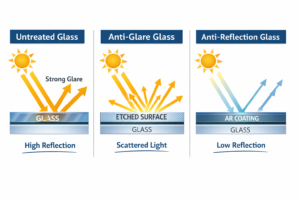
Introdução Os ecrãs industriais são frequentemente utilizados em ambientes onde as condições de iluminação são difíceis de controlar. Equipamento ...
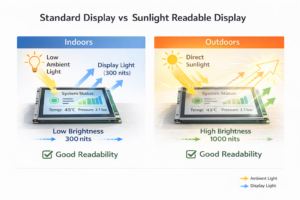
Introdução Os ecrãs são um componente de interface crítico em muitos tipos de equipamento industrial. Fornecem ao sistema ...
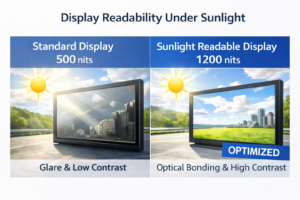
Introdução A visibilidade do ecrã é um parâmetro de conceção fundamental nos equipamentos industriais. Os operadores confiam nas interfaces gráficas ...
Envie os detalhes da sua aplicação. Responderemos com orientações de configuração e próximos passos.