Руководство для поставщиков промышленных дисплеев для OEM-оборудования

Введение Человеко-машинные интерфейсы (ЧМИ) сегодня являются стандартными компонентами современного промышленного оборудования. Дисплеи позволяют операторам ...

Мониторы с сенсорным экраном - важнейший человеко-машинный интерфейс (HMI) в промышленных условиях. В отличие от потребительских дисплеев, промышленные сенсорные мониторы должны надежно работать в жестких условиях, таких как вибрация, пыль, перепады температур и длительное время работы.
С точки зрения инженера, выбор правильного промышленного сенсорного монитора зависит не от внешнего вида или популярности бренда, а от того. надежность, совместимость и долгосрочная стабильность. Это руководство объясняет, как сделать правильный выбор.
Промышленные мониторы с сенсорным экраном предназначены для работы в условиях, где поломка недопустима. По сравнению с коммерческими мониторами они обычно отличаются:
Выбор неправильного типа может привести к частым простоям, проблемам с интеграцией или дорогостоящему перепроектированию.
Сенсорный интерфейс напрямую влияет на удобство использования, долговечность и совместимость.
К распространенным промышленным сенсорным технологиям относятся:
Совет инженера:
Для большинства современных промышленных HMI, Сенсорные экраны PCAP являются предпочтительным выбором благодаря долговечности и удобству использования.
Промышленные мониторы с сенсорным экраном обычно предлагаются в 7″ - 32″ и не только.
При выборе размера и разрешения учитывайте:
Избегайте завышения разрешения - Full HD достаточно для большинства промышленных приложений и обеспечивает лучшую долгосрочную доступность компонентов.
В промышленных условиях часто наблюдается сильное внешнее освещение.
Рекомендуемые уровни яркости:
Дополнительные функции, такие как антибликовое покрытие и оптическое склеивание еще больше улучшает видимость.
Монтаж часто упускают из виду, но он очень важен для интеграции.
Обычные варианты крепления включают:
Совет инженера:
Убедитесь, что механическая конструкция монитора соответствует допускам корпуса, прежде чем завершить разработку спецификации.
Промышленные мониторы с сенсорным экраном обычно поддерживают:
Всегда проверяйте совместимость с целевым промышленным ПК, ПЛК или встроенным контроллером.
Промышленные мониторы должны быть оценены на предмет:
Эти факторы напрямую влияют на время безотказной работы системы и стоимость обслуживания.
Одним из самых больших рисков в промышленных проектах является устаревание компонентов.
Инженеры должны подтвердить:
Это особенно важно для OEM-производителей и долгосрочных промышленных программ.
Во многих промышленных системах мониторы с сенсорным экраном интегрированы в промышленные панельные ПК а не используются как отдельные дисплеи.
При планировании комплексного решения HMI не менее важно понимать, как выбираются панельные ПК на уровне системы.
Многие промышленные проекты требуют не просто готовых решений.
Индивидуальная настройка может включать:
Для OEM-проектов следует работать с производителем, который поддерживает промышленные сенсорные мониторы на заказ может значительно снизить риск интеграции.
Выбор лучшего монитора с сенсорным экраном для промышленного использования требует баланса между производительность, долговечность и долгосрочная стабильность. Инженеры должны отдавать предпочтение надежности, совместимости и поддержке на протяжении всего жизненного цикла, а не краткосрочной экономии средств.
Хорошо подобранный промышленный сенсорный монитор может надежно работать в течение многих лет, сокращая время простоя и общую стоимость владения.
Введение Человеко-машинные интерфейсы (ЧМИ) сегодня являются стандартными компонентами современного промышленного оборудования. Дисплеи позволяют операторам ...
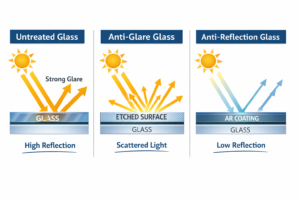
Введение Промышленные дисплеи часто используются в средах, где условия освещения трудно контролировать. Оборудование ...
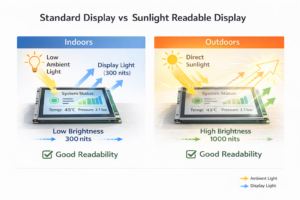
Введение Дисплеи являются важнейшим компонентом интерфейса во многих типах промышленного оборудования. Они обеспечивают систему ...
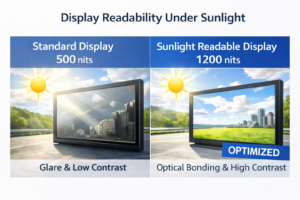
Введение Видимость дисплея - важнейший параметр конструкции промышленного оборудования. Операторы полагаются на графические интерфейсы ...
Отправьте информацию о вашем приложении. В ответ мы сообщим направление конфигурации и дальнейшие шаги.