Руководство для поставщиков промышленных дисплеев для OEM-оборудования

Введение Человеко-машинные интерфейсы (ЧМИ) сегодня являются стандартными компонентами современного промышленного оборудования. Дисплеи позволяют операторам ...
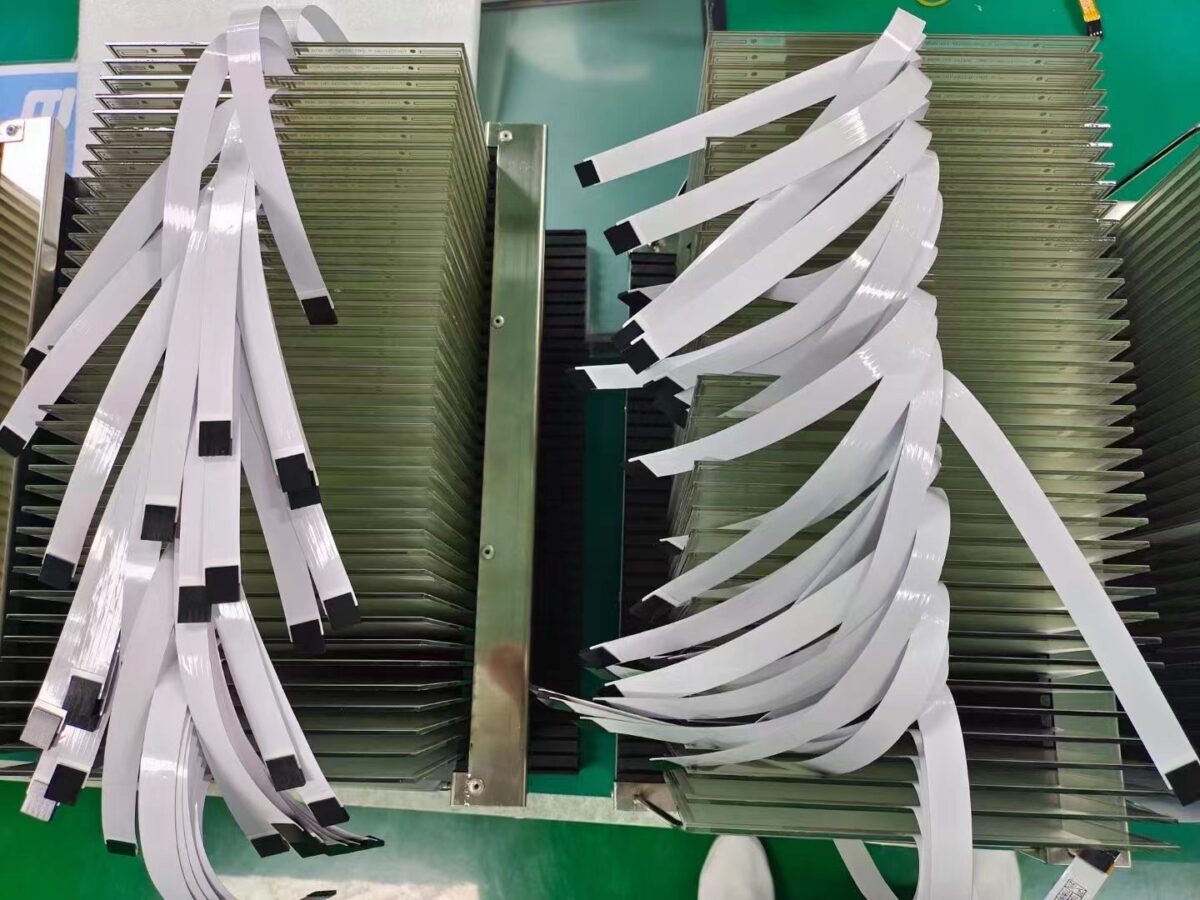
Резистивные сенсорные экраны остаются одной из самых надежных и широко используемых сенсорных технологий в промышленных и профессиональных приложениях.
В отличие от ориентированных на потребителя емкостных сенсорных экранов, резистивные сенсорные экраны активируются при нажатии и работают с пальцами, перчатками, ручками-стилусами или любыми твердыми предметами.
Благодаря своей стабильности, предсказуемости и устойчивости к воздействию окружающей среды резистивные сенсорные экраны по-прежнему являются предпочтительным решением для промышленных систем управления, медицинского оборудования и OEM-проектов, требующих долгосрочной доступности.
Это руководство объясняет:
A резистивный сенсорный экран это чувствительное к давлению устройство ввода, состоящее из двух прозрачных проводящих слоев, разделенных тонким зазором. При надавливании слои соприкасаются, и контроллер определяет место касания.
Ключевые характеристики включают:
Это делает резистивную технологию особенно подходящей для Промышленное, медицинское и наружное применение.
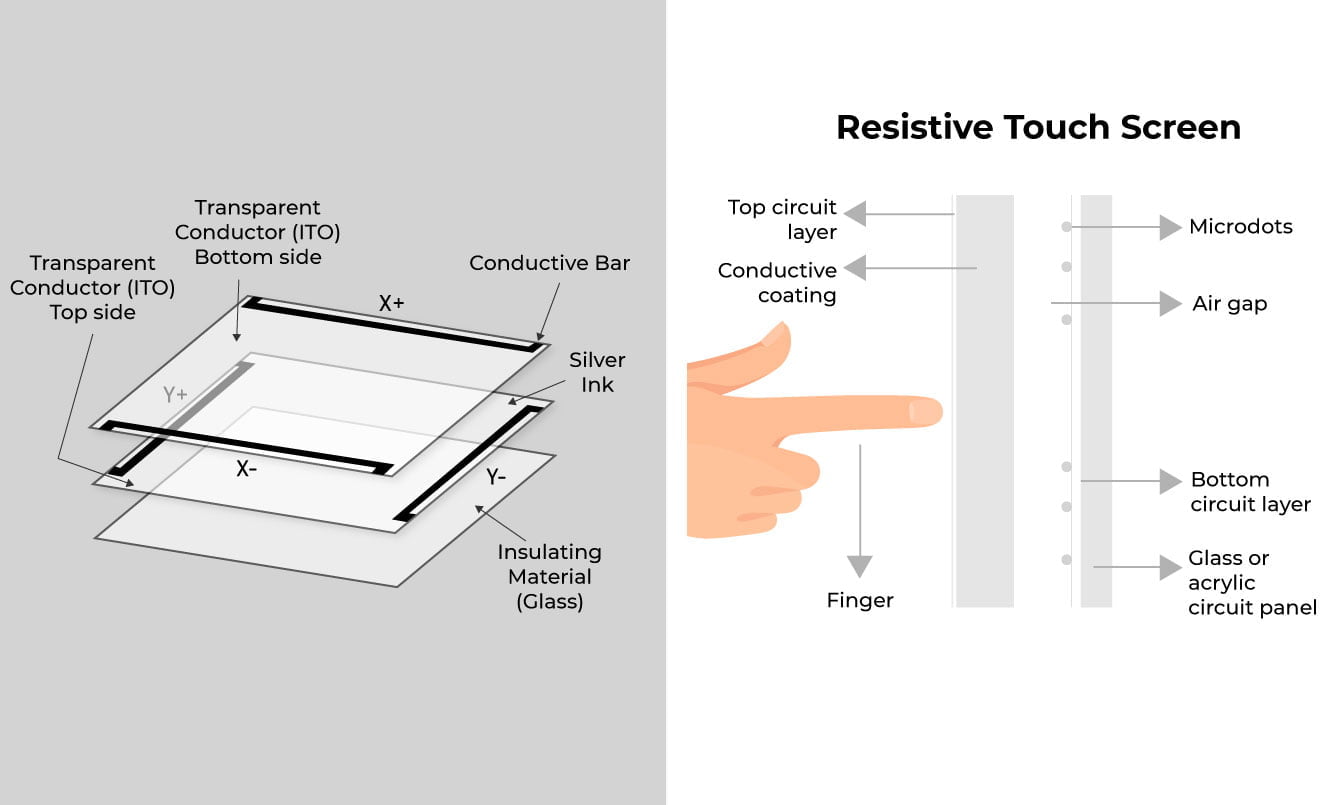
При надавливании на экран:
Поскольку система основана на физическом давлении, а не на электропроводности, резистивные сенсорные экраны надежно работают в пыльной, влажной или электрически шумной среде.
Для применения, требующего Увеличенный срок службы и стабильная работа, Обычно рекомендуется использовать 5-проводную резистивную технологию.
| Характеристика | Резистивный сенсорный экран | Емкостный сенсорный экран |
|---|---|---|
| Метод ввода | На основе давления | На основе электропроводности |
| Эксплуатация перчаток | ✅ Да | ❌ Limited |
| Поддержка стилуса | ✅ Да | ❌ Limited |
| Водонепроницаемость | ✅ Высокий | ⚠️ Умеренный |
| Мультисенсорный | ❌ Нет | ✅ Да |
| Промышленная стабильность | ✅ Превосходно | ⚠️ Средний |
| Контроль затрат | ✅ Легче | ❌ Выше |
Резистивные сенсорные экраны зависят от приложений, В то время как емкостные сенсорные экраны чаще встречаются в потребительских устройствах.
Резистивные сенсорные экраны обладают рядом преимуществ для промышленного и профессионального использования:
Эти преимущества делают резистивную технологию идеальной для критически важные интерфейсы.
Несмотря на высокую надежность резистивных сенсорных экранов, у них есть свои ограничения:
Для приложений, где важны мультисенсорные жесты или высокая визуальная четкость, емкостная технология может оказаться более подходящей.
Резистивные сенсорные экраны обычно используются в:
В этих условиях приоритет отдается надежность, предсказуемость и долговечность а не потребительский стиль взаимодействия.
Для OEM и промышленных проектов часто требуется:
Резистивные сенсорные экраны отвечают этим требованиям, предлагая долгосрочная доступность и стабильная производительность, что очень важно для промышленных программ.
Eagle Touch предоставляет Индивидуальные решения для резистивных сенсорных экранов разработаны для промышленных и OEM-приложений, включая:
Наш инженерный подход гарантирует, что каждое решение будет точно соответствовать требованиям вашего приложения.
Резистивный сенсорный экран - лучший выбор, если в вашем проекте требуется:
Если вы оцениваете сенсорную технологию для промышленного или OEM-приложения, резистивный сенсорный экран может стать самым надежным решением.
Введение Человеко-машинные интерфейсы (ЧМИ) сегодня являются стандартными компонентами современного промышленного оборудования. Дисплеи позволяют операторам ...
Введение Промышленные дисплеи часто используются в средах, где условия освещения трудно контролировать. Оборудование ...
Введение Дисплеи являются важнейшим компонентом интерфейса во многих типах промышленного оборудования. Они обеспечивают систему ...
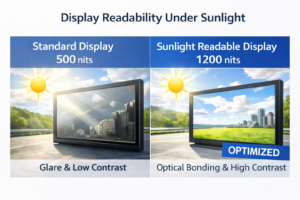
Введение Видимость дисплея - важнейший параметр конструкции промышленного оборудования. Операторы полагаются на графические интерфейсы ...
Отправьте информацию о вашем приложении. В ответ мы сообщим направление конфигурации и дальнейшие шаги.