平板电脑与工业计算机:架构和集成差异
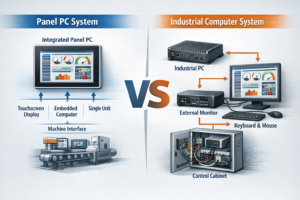
导言 在工业系统设计中,选择合适的计算架构直接影响到系统的可靠性和集成复杂性、, ...
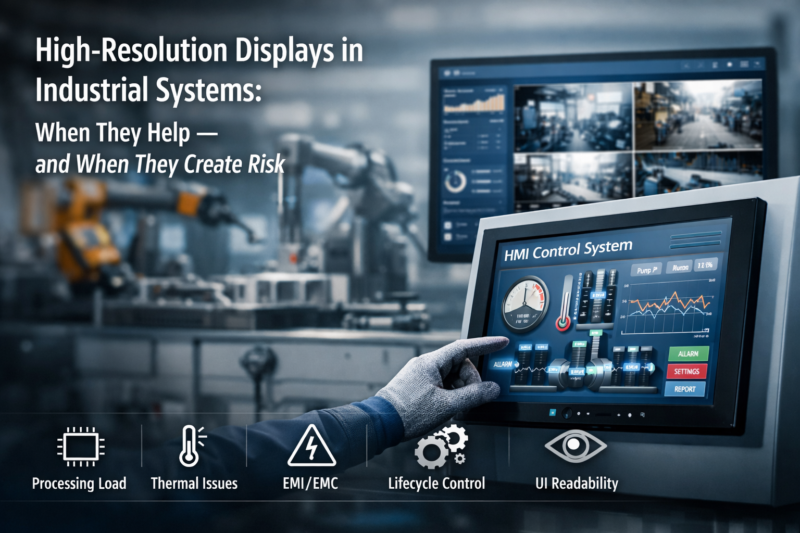
现代工业设备越来越多地指定使用高分辨率工业显示器。随着人机界面(HMI)软件向更丰富的图形界面、多窗口仪表盘和数据可视化工具发展,工程团队通常要求显示器具有更高的像素密度。.
乍一看,提高显示屏分辨率似乎是一种直接的改进。像素越高,可同时显示的图形信息就越多,从而有可能提高操作员的意识和监控能力。.
然而,在工业系统中、, 显示分辨率不仅是一种视觉规格. .它影响系统架构的多个方面,包括
工业设备经常要连续运行多年,而且往往处于振动、温度变化和电磁干扰的环境中。.
因此,对于原始设备制造商和系统集成商来说,应将显示器分辨率作为以下内容的一部分进行评估 系统总体结构, 而不是作为一个单独的显示参数。.
高分辨率工业显示器是指像素密度大大高于传统工业显示器标准的人机界面屏幕或工业显示器。.
一直以来,许多工业人机界面都使用中等分辨率,例如..:
这些分辨率足以满足显示警报、机器状态和简单控制元件的机器界面的要求。.
现代工业系统越来越多地采用更高分辨率,包括
这些显示器通常集成在
在许多项目中,对分辨率的要求源于最初为桌面环境开发的人机界面软件。与传统的工业显示器相比,这类软件框架需要更大的图形工作空间和更高的像素密度。.
然而,工业设备中使用的嵌入式计算平台(通常是 ARM 处理器或低功耗 x86 系统)并不总是能随着显示屏分辨率的提高而有效扩展。.
有几个硬件子系统决定了系统能否有效支持更高的显示分辨率。.
现代工业显示器通常使用高速接口,例如
更高的分辨率可提高所需的像素吞吐量。.
| 决议 | 每帧像素 | 相对像素负载 |
|---|---|---|
| 1024×768 | ~0.79 MP | 基线 |
| 1280×800 | ~1.02 MP | ~1.3× |
| 1920×1080 | ~2.07 MP | ~2.6× |
因此,全高清显示屏需要 两倍以上的像素处理能力 与传统的 XGA 显示屏相比.
在 60 Hz 的刷新率下 1920×1080 接口通常需要 148.5 MHz 左右的像素时钟. .根据色彩深度和编码的不同,有效数据传输速率可达每秒几千兆位。.
随着带宽的增加,显示界面会变得更加敏感:
这些因素对于包含电机、驱动器或较长内部电缆路径的工业设备尤为重要。.
显示器分辨率越高,图形工作量就越大。.
图形管道必须处理
例如 使用 32 位帧缓冲器的 1920 × 1080 显示屏大约需要:
1920 × 1080 × 4 字节 ≈ 每帧 8 MB
在双缓冲和额外图形层的情况下,内存消耗可能达到 16-32 MB 活动帧缓冲区空间.
在许多嵌入式系统中,显示性能并不是受限于面板本身,而是受限于 图形处理器能力和内存带宽.
如果图形管道接近极限,操作员可能会观察到:
因此,保持足够的处理余量对于连续运行的系统非常重要。.
高分辨率显示器通常与以下方面有关:
这些因素增加了总功耗。.
在无风扇或密封的工业设备中,额外的功率耗散会直接导致 内部发热. .即使是热量输出的微小增加也会影响机箱内部温度。.
因此,在升级显示器分辨率时应验证散热设计余量。.
在评估显示器分辨率时,应同时考虑 屏幕尺寸和观看距离.
小屏幕像素越高,像素密度就越大,但对于站在离设备几英尺远的操作员来说,这并不总能提高可用性。.
在许多工业环境中,可用性受以下因素的影响更大:
而不仅仅是像素密度。.
工厂人机界面的观察距离约为 米或以上, 因此,与像素密度的增加相比,更大的用户界面元素和清晰的图形层次往往更能提高可用性。.
更高的分辨率可同时提高 图形处理器工作量 和 内存流量.
低功耗嵌入式处理器在驱动高分辨率显示器,同时运行控制软件时可能会遇到困难:
实际上,工业人机界面的显示性能问题通常是由以下原因造成的 内存带宽限制而非 CPU 速度限制.
保持足够的图形处理余量有助于确保在峰值工作负载下稳定的界面响应能力。.
许多工业平台都依赖于被动冷却策略,包括
这些设计提供的热余量有限。.
更高的分辨率会间接增加热量的产生:
在长期运行过程中,内部温度升高会加速元件老化。因此,保守的热设计裕度可提高长期可靠性。.
高分辨率显示接口的数据传输速率为 多千兆位范围.
工业环境可能会带来额外的挑战,例如
更高的带宽降低了对信号衰减的容忍度。.
在电磁兼容性(EMC)测试过程中,高速显示接口偶尔会成为电磁兼容性的源头。 辐射发射或信号不稳定, 因此,需要小心布线和屏蔽。.
工业 OEM 设备通常要求部件可使用多年。.
为消费电子市场开发的显示面板的产品生命周期可能较短。.
潜在风险包括
在选择显示器分辨率时,原始设备制造商还应评估 面板生命周期稳定性和供应商路线图.
机器视觉系统通常显示
更高的分辨率可保留图像细节,提高检测特征的可见度。.
控制室和监测站通常会同时显示多个信息源,包括
高分辨率工业监视器允许操作员观察多个数据窗口,而无需频繁切换界面。.
某些复杂的工业机器需要详细的图形界面,包括
这些应用程序可从增加的图表、配置工具和可视化面板屏幕工作空间中获益。.
公共基础设施系统有时包括服务或诊断显示器,例如
在这些环境中,更高的分辨率可以提高信息密度和显示清晰度。.
在下列情况下,通常适合使用更高分辨率
在这些条件下,更高的分辨率可以改善可视化效果,支持更复杂的用户界面。.
在下列情况下,更高的分辨率可能会带来不必要的系统复杂性:
在许多工业系统中、, 适中的分辨率与精心设计的人机界面布局相结合,可提供更稳定的长期性能.
在工业设备设计中,显示分辨率应被视为 系统级工程参数, 而不是简单的视觉升级。.
像素密度的增加会产生影响:
对于许多工业平台而言,适中的分辨率与精心设计的人机界面布局相结合,可提供稳定、可维护的解决方案。.
当更高分辨率能直接支持操作要求(如机器视觉可视化或多窗口监控),并且系统架构能提供足够的处理和散热余量时,它就会变得非常有用。.
在系统设计初期对显示分辨率进行评估有助于避免集成难题,并支持设备的长期可靠性。.
不一定。许多机器界面显示的信息相对简单,分辨率如 1024×768 或 1280×800 提供足够的可用性。.
许多工业人机界面通常使用 1024×768 (XGA) 或 1280×800(WXGA) 因为这些分辨率兼顾了可读性、处理要求和面板可用性。.
分辨率越高,每帧处理的像素数就越多,这就增加了 GPU 工作负荷、帧缓冲区大小和内存带宽要求.
是的。 GPU 活动、内存带宽使用情况和显示屏背光功率, 这可能会影响无风扇工业系统的散热性能。.
潜在危险以更高数据速率运行的高速显示器接口可能会增加对信号完整性问题和电磁辐射的敏感性。.
导言 在工业系统设计中,选择合适的计算架构直接影响到系统的可靠性和集成复杂性、, ...
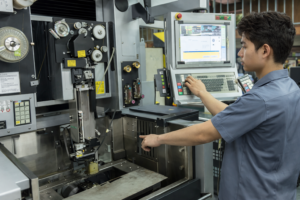
导言 在工业设备中,显示子系统是更广泛的人机界面(HMI)的一部分,也是人机界面的重要组成部分。 ...

导言 在工业设备设计中,人机界面(HMI)直接影响到系统的可用性、可靠性和维护性。 ...

导言 人机界面(HMI)现已成为现代工业设备的标准组件。通过显示器,操作员可以 ...
发送您的申请详细信息。我们会回复您配置方向和下一步计划。.