حاسب لوحي صناعي متين للبيئات القاسية والمراقبة
اختيار قائم على الهندسة لعمليات النشر التي يحدد فيها الغبار، والماء، والسقوط، والاهتزاز، وضوء الشمس، والقفازات، واتساق دورة الحياة النجاح.
المتانة ليست علامة، بل هي مقايضة هندسية
يتم تعريف الجهاز اللوحي المتين من خلال كيفية موازنة الختم، والسلوك الحراري، وقابلية البقاء الميكانيكية، وقابلية الاستخدام، وقابلية الخدمة كنظام.
تشرح هذه الصفحة كيف نقيّم المتطلبات الوعرة ونقوم بتحويلها إلى اتجاه التكوين القابل للتحكم فيه لعمليات نشر مصنعي المعدات الأصلية/مصنعي المعدات الأصلية - بما في ذلك ما هي الأولويات و ما لا يجب الإفراط في المواصفات.
سترى كيف يتم اتخاذ القرارات المتعلقة بالمتانة بناءً على أنماط الفشل: التعرض للماء/الغبار، والسقوط، والاهتزاز، وقابلية الاستخدام تحت أشعة الشمس الحمل الحراري للخدمة المستمرة، وقيود الصيانة.
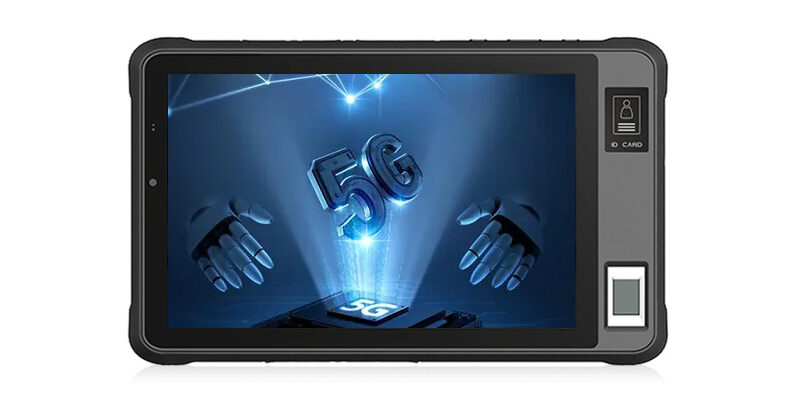
تقييم النشر أولاً: البيئة + الآليات + قابلية الاستخدام + دورة الحياة + استراتيجية الخدمة.
ما الذي يغطيه هذا الجهاز اللوحي المتين
ليس نموذجًا واحدًا للبيع بالتجزئة. منصة قابلة للتهيئة يتم تسليمها من خلال تدفقات عمل OEM/ODM القائمة على المشروع.
- استراتيجية IP: IP65 / IP67 / IP68 (يتم اختيار المشروع)
- تخطيط مخاطر التكثيف / الضباب
- نهج استخدام أشعة الشمس في الهواء الطلق
- تخطيط السقوط/ الصدمات/الاهتزازات حسب السيناريو
- اعتبارات التركيب والإرساء
- مقايضات الوصول إلى الخدمة مقابل ختمها
- اتساق صورة نظام التشغيل وإمكانية التحكم فيها (قائم على المشروع)
- تخطيط الواجهة المحدد حسب احتياجات التكامل
- اتجاه مستقر لقائمة المنتجات المستقرة + تخطيط التحكم في التغيير
تم اختياره من قبل أصحاب المصلحة الهندسية - وليس من قبل مشتري التجزئة
مصممة لمشاريع التكامل حيث يجب أن تظل الحماية القوية قابلة للاستخدام والصيانة عبر دورات الخدمة.
النشر بقيادة التكامل
الخدمات اللوجستية، وأنظمة المركبات، والأتمتة، والطاقة، حيث يجب التحكم في مخاطر البيئة ووقت التعطل.
المحطة الطرفية/النظام الفرعي داخل الماكينات
نشر الأجهزة اللوحية المتينة كمحطات طرفية للحاسوب اللوحي المتين كمحطات طرفية للواجهة الرئيسية/التحكم مع تركيب وواجهات واستراتيجية خدمة محددة.
استقرار متعدد السنوات
تخطيط عمليات النشر حيث يكون الاستبدال، واتساق التكوين، والوصول إلى الصيانة أمراً مهماً.
إذا كانت أولويتك تسعير التجزئة أو دورات تحديث المستهلكين, أو لا يمكنك تحديد قيود البيئة/التركيب، قد تكون فئة جهاز مختلفة مناسبة بشكل أفضل.
القدرات المعينة لأنماط الفشل الحقيقية
يجب تقييم الختم والحرارة والميكانيكا وسهولة الاستخدام والواجهات ودورة الحياة كنظام واحد.
تصنيف IP هو قرار تصميم وليس شارة
- يمكن أن يحد الختم العالي من التبديد الحراري ومرونة الواجهة
- قد تفضل الأنظمة المدمجة/المركبة/الأنظمة المدمجة الختم الجزئي لإمكانية الخدمة
- مستوى الحماية المحدد حسب البيئة + توجيه الكابل + استراتيجية الصيانة
تعتمد المتانة على الاستخدام وليس على الملصقات
- القطرات المحمولة باليد ≠ اهتزاز المركبة ≠ إجهاد المركبة الثابتة
- تعزيز الهيكل وطريقة التركيب يحددان قدرة الهيكل على البقاء
- تركيز التحقق من الصحة قائم على السيناريو (محدد المشروع)
يجب أن يتعايش الختم والسطوع ودورة العمل معًا
- سطوع عالي + حاوية محكمة الغلق تزيد من الحمل الحراري
- يتم تحديد حجم الأداء حسب عبء العمل وليس حسب المعايير
- تخطيط العمليات في أسوأ الحالات يمنع التدهور الميداني
إخفاقات قابلية الاستخدام لا تزال إخفاقات
- يحتاج استخدام ضوء الشمس إلى استراتيجية بصرية (وليس “القمل فقط”)
- ضبط تشغيل القفازات/التشغيل الرطب + التحكم باللمس الخاطئ
- ظروف التلوث التي تم أخذها في الاعتبار عند الاختيار
يمكن أن يؤدي المزيد من المنافذ إلى زيادة نقاط الفشل
- تخطيط واجهة مُحسَّن للتكامل وتوجيه الكابلات
- استراتيجية الختم المصممة مع إمكانية الوصول إلى الصيانة
- الإرساء/الطاقة الخارجية المعتبرة لاستخدام المركبات
صلابة حقيقية تدوم إلى ما بعد الدفعة الأولى
- اتجاه مستقر لقائمة المواد الأساسية + اتساق التكوين
- التغيير المتحكم فيه عن طريق تخطيط النفقات غير المباشرة/التخطيط المنسق للعمليات (القائم على المشروع)
- تدعم استراتيجية الاستبدال والخدمة عمليات النشر طويلة الأجل
استراتيجية نظام التشغيل تدعم استقرار النشر في المناطق الوعرة
بالنسبة لعمليات النشر القوية، يجب أن يظل سلوك نظام التشغيل قابلاً للتنبؤ به عبر الدفعات ودورات الخدمة.
يتم التعامل مع Android (أو خيارات نظام التشغيل الأخرى) على أنه طبقة النظام التي يتم التحكم في نشرها, وليست ميزة جديدة. الهدف هو الاتساق وإمكانية التحكم، بما يتماشى مع دورة حياة مشروعك.
- اختيار الإصدار الذي يتماشى مع نضج السائقين وجهود التحقق من الصحة
- تناسق الصور وقيود الخدمة (على أساس المشروع)
- ضبط سلوك التمهيد/التشغيل/التعافي والضوابط على مستوى الجهاز
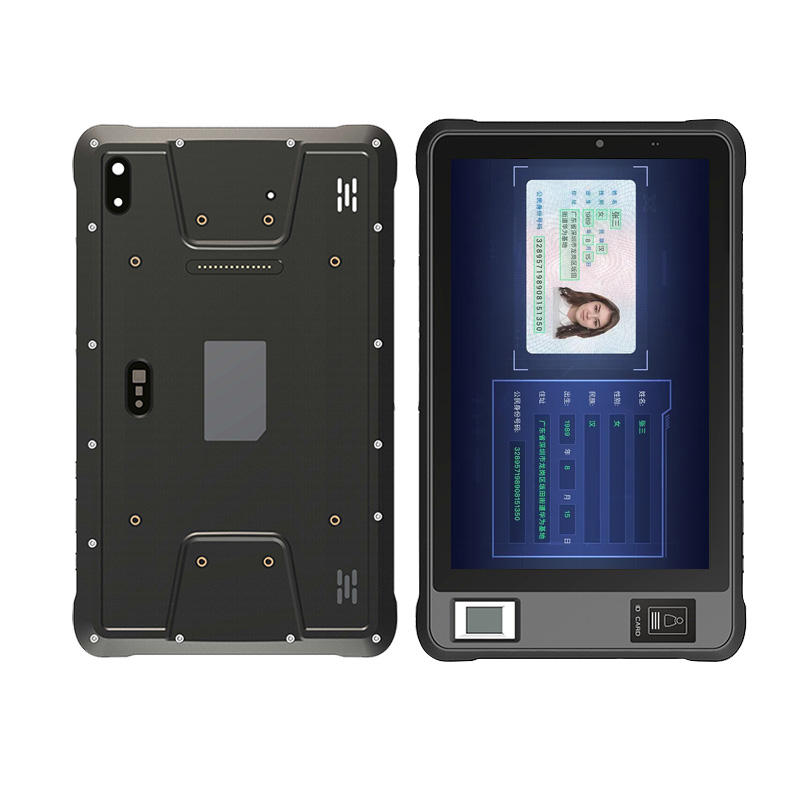
يقلل سلوك النظام المضبوط من المفاجآت الميدانية: صور متسقة، وخدمات مقيدة، واسترداد يمكن التنبؤ به.
الاختيار القوي مدفوع بأنماط الفشل
نقوم بتخطيط الاتجاه الوعرة من ما يكسر الأنظمة بالفعل: العزل + الاهتزاز + قابلية الاستخدام تحت أشعة الشمس + الحرارية + الوصول إلى الخدمة.
المستودعات والمناولة المتنقلة
مناولة عالية التردد، والسقوط، والغبار، وتشغيل القفازات.
الفحص الخارجي والتقاط البيانات
ضوء الشمس، والمطر، واللمس الرطب، وتغير درجات الحرارة.
محطات طرفية مثبتة على مركبة
إجهاد الالتحام، والاهتزاز المستمر، والطاقة الخارجية.
قاسية في الهواء الطلق ودورات العمل الطويلة
التعرض، وعمر الخدمة الطويل، والوصول المحدود للصيانة.
العمليات ذات المهام الحرجة
سلوك يمكن التنبؤ به تحت الضغط والتكوين المتحكم به.
نبدأ بالقيود - نعيد اتجاهًا وعرًا
أرسل قيود النشر الخاصة بك وسنقوم بتعيين المفاضلات الوعرة في نهج التكوين (القائم على المشروع).
- البيئة (داخلي/خارجي، درجة الحرارة، الرطوبة/الغبار/الزيت/المواد الكيميائية)
- الاستخدام (محمول باليد/مركبة باليد/مركبة على مركبة/مركبة ثابتة)
- المخاطر الميكانيكية (السقوط، مصدر الاهتزاز، طريقة التركيب)
- احتياجات سهولة الاستخدام (ضوء الشمس، القفازات، التشغيل الرطب)
- استراتيجية الطاقة (البطارية، الطاقة الخارجية، الإشعال)
- دورة العمر والحجم (السنوات، والحجم، ومتطلبات الاتساق)
- الاتجاه الوعر الموصى به (IP / الهيكل / النهج الحراري)
- عناصر المفاضلة والمخاطر الرئيسية
- نهج التكوين وملاحظات الجدوى
- نطاق المهلة الزمنية (على أساس المشروع)
أسئلة صعبة الإجابة عليها بالمنطق الهندسي
توضح هذه الإجابات المفاضلات لتجنب أخطاء الاختيار “المدفوعة بالشارات”.
المراجعة الهندسية
أرسل تفاصيل طلبك. نرد عليك بتوجيهات التكوين والخطوات التالية.