Industrie-Display-Lieferanten Einkaufsführer für OEM-Ausrüstung

Einleitung Mensch-Maschine-Schnittstellen (HMIs) sind heute Standardkomponenten in modernen Industrieanlagen. Displays ermöglichen dem Bediener ...
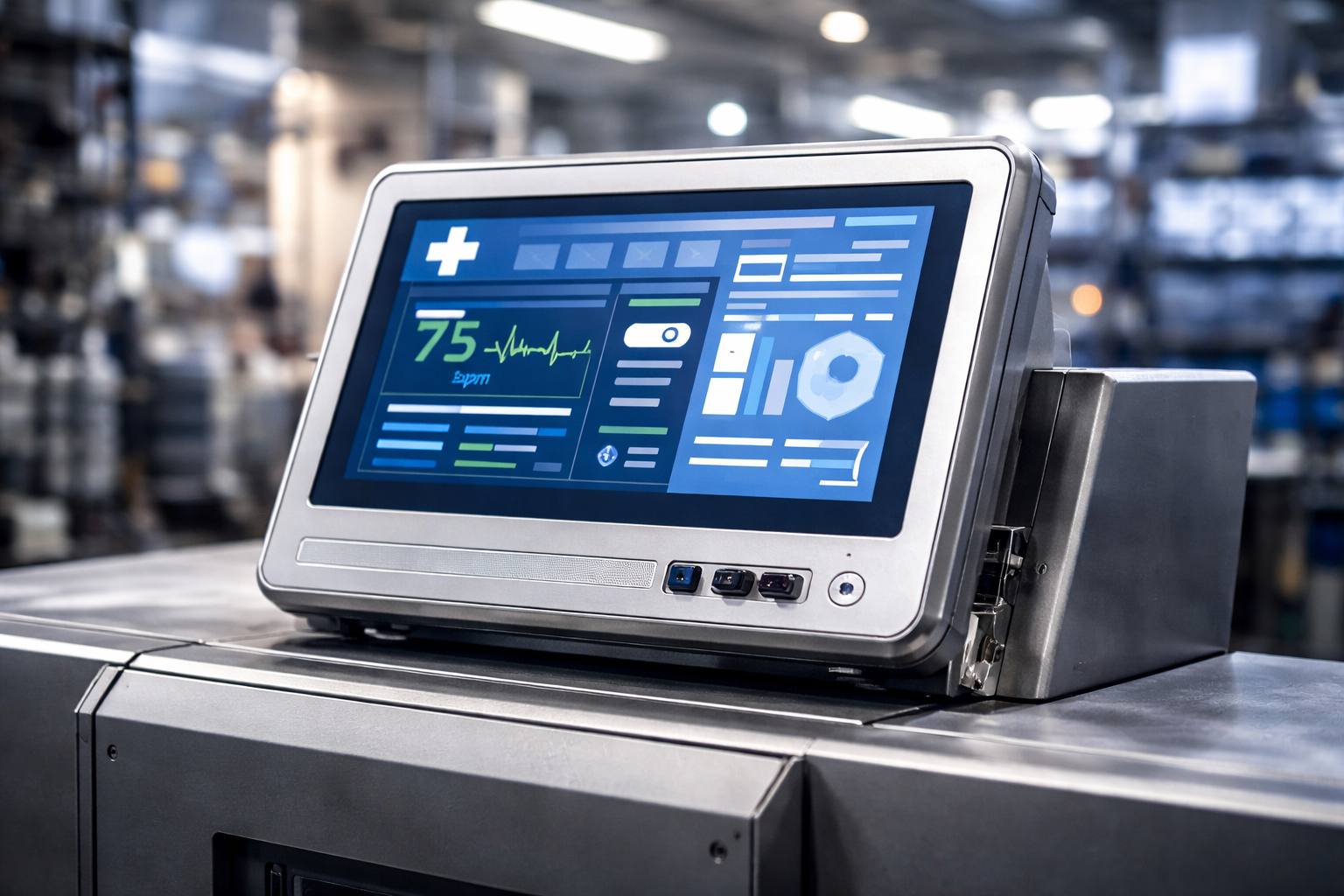
Industrie-Panel-PCs sind zu einer zentralen Komponente in modernen Automatisierungs-, Fertigungs- und Steuerungssystemen geworden.
Anders als bei Computern für Verbraucher, Industrie-Panel-PCs sind für den zuverlässigen Betrieb in rauen Umgebungen ausgelegt, in denen Stabilität, Langlebigkeit und langfristige Verfügbarkeit wichtiger sind als die reine Leistung.
Die Wahl des richtigen Industrie-Panel-PCs erfordert ein klares Verständnis der Anforderungen Ihrer Anwendung. Dieser Leitfaden erläutert die wichtigsten Faktoren, die Sie berücksichtigen sollten, um eine fundierte Entscheidung zu treffen.
Eine Industrie-Panel-PC ist ein All-in-One-Computer, der ein Display, einen Touchscreen und einen industrietauglichen Computer in einem einzigen Gehäuse integriert.
Diese Systeme werden häufig in Fabriken, Maschinensteuerungen, Kiosken und Industrieterminals eingesetzt.
Im Vergleich zu Standard-PCs bieten Industrie-Panel-PCs:
Die Auswahl des falschen Panel-PCs kann dazu führen:
Ein gut gewählter Industrie-Panel-PC verbessert Betriebseffizienz, verringert das Risiko und unterstützt die langfristige Systemstabilität.
Beginnen Sie damit, die für Ihre Anwendung erforderliche Rechenleistung zu ermitteln.
Industrie-Panel-PCs sind mit verschiedenen CPU-Optionen erhältlich, von stromsparenden Prozessoren für einfache HMI-Aufgaben bis hin zu leistungsstärkeren CPUs für die Datenverarbeitung und Visualisierung.
Bedenken Sie:
Vermeiden Sie eine Überspezifizierung der Hardware, da dies die Kosten ohne wirklichen Nutzen erhöhen kann.
Industrielle Umgebungen können eine Herausforderung sein. Ihr Panel-PC muss so konstruiert sein, dass er standhält:
Achten Sie auf Merkmale wie:
Das Display ist die wichtigste Schnittstelle zwischen Bediener und Maschine. Zu den wichtigsten Aspekten gehören:
Die Wahl des richtigen Touchscreens verbessert die Benutzerfreundlichkeit und reduziert Bedienungsfehler.
Industrie-Panel-PCs müssen sich nahtlos in bestehende Systeme integrieren.
Übliche Montageoptionen sind:
Vergewissern Sie sich, dass das gewählte Modell zu Ihrem Gehäusedesign und den Installationsbedingungen passt.
Industrielle Anwendungen erfordern oft mehrere Schnittstellen.
Prüfen Sie die Unterstützung von:
Eine angemessene Konnektivität gewährleistet die Kompatibilität mit Sensoren, Steuerungen und industriellen Netzwerken.
Anders als bei Konsumgütern wird erwartet, dass industrielle Systeme über viele Jahre hinweg in Betrieb bleiben.
Wählen Sie einen Anbieter, der dies anbietet:
Dies verringert das Risiko einer Umgestaltung und schützt Ihre Investition.
Lüfterlose Industrie-Panel-PCs werden oft bevorzugt, weil:
Für Hochleistungsanwendungen kann jedoch eine aktive Kühlung erforderlich sein.
Die Wahl hängt vom Gleichgewicht zwischen den Leistungsanforderungen und den Umweltbedingungen ab.
Industrie-Panel-PCs werden in vielen Bereichen eingesetzt:
Jede Anwendung hat ihre eigenen Anforderungen, weshalb eine sorgfältige Bewertung unerlässlich ist.
Zur Auswahl der bester Industrie-Panel-PC:
Ein strukturiertes Vorgehen hilft, kostspielige Fehler zu vermeiden und gewährleistet einen zuverlässigen Betrieb.
Bei der Wahl des besten Industrie-Panel-PCs geht es nicht darum, das leistungsstärkste System auszuwählen, sondern dasjenige, das das richtige System für Ihre spezifische Anwendung.
Indem sie sich auf Zuverlässigkeit, Kompatibilität und langfristigen Support konzentrieren, können Unternehmen industrielle Systeme aufbauen, die über lange Zeit hinweg effizient und konsistent arbeiten.
Wenn Sie ein industrielles Projekt planen und Beratung bei der Auswahl eines Panel-PCs benötigen, Zusammenarbeit mit einem erfahrenen Hersteller kann den Prozess vereinfachen.
Einleitung Mensch-Maschine-Schnittstellen (HMIs) sind heute Standardkomponenten in modernen Industrieanlagen. Displays ermöglichen dem Bediener ...
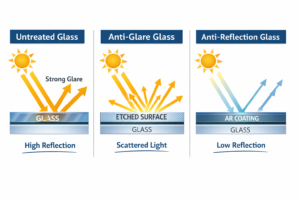
Einleitung Industrielle Bildschirme werden häufig in Umgebungen eingesetzt, in denen die Lichtverhältnisse schwer zu kontrollieren sind. Ausrüstung ...
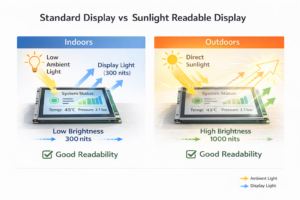
Einleitung Displays sind eine wichtige Schnittstellenkomponente in vielen Arten von Industrieanlagen. Sie bieten System ...
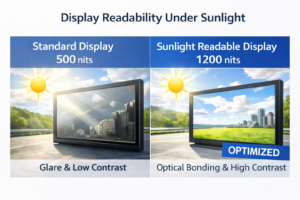
Einleitung Die Sichtbarkeit von Displays ist ein entscheidender Konstruktionsparameter bei Industrieanlagen. Die Bediener verlassen sich auf grafische Schnittstellen ...
Senden Sie uns Ihre Anwendungsdetails. Wir antworten mit einer Konfigurationsanweisung und den nächsten Schritten.