Industrie-Display-Lieferanten Einkaufsführer für OEM-Ausrüstung

Einleitung Mensch-Maschine-Schnittstellen (HMIs) sind heute Standardkomponenten in modernen Industrieanlagen. Displays ermöglichen dem Bediener ...
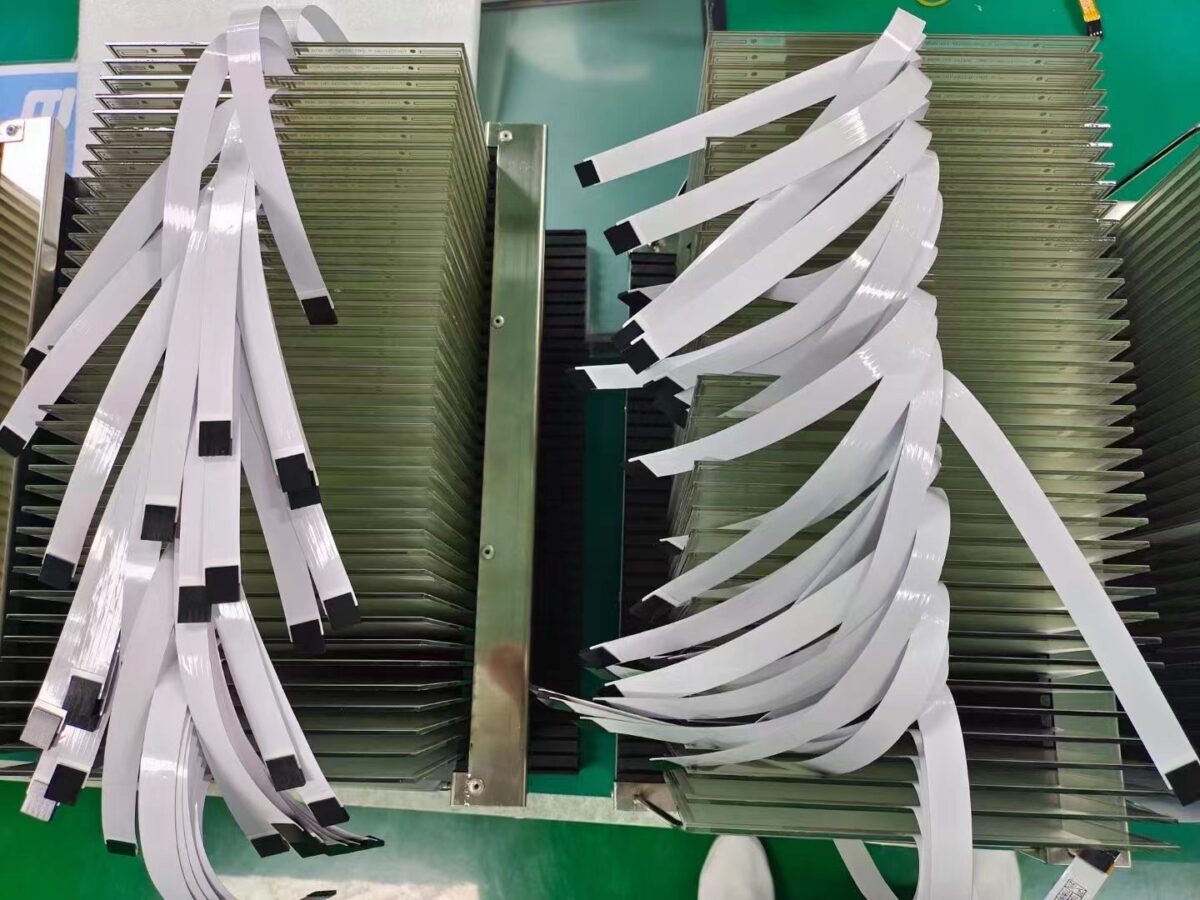
Resistive Touchscreens sind nach wie vor eine der zuverlässigsten und am weitesten verbreiteten Touchtechnologien in industriellen und professionellen Anwendungen.
Im Gegensatz zu kapazitiven Touchscreens für Verbraucher werden resistive Touchscreens durch Druck aktiviert und funktionieren mit Fingern, Handschuhen, Eingabestiften oder jedem festen Gegenstand.
Aufgrund ihrer Stabilität, Berechenbarkeit und Umweltbeständigkeit sind resistive Touchscreens nach wie vor eine bevorzugte Lösung für industrielle Steuerungssysteme, medizinische Geräte und OEM-Projekte, die eine langfristige Verfügbarkeit erfordern.
Dieser Leitfaden erklärt:
A resistiver Touchscreen ist ein druckempfindliches Eingabegerät, das aus zwei transparenten, leitfähigen Schichten besteht, die durch einen dünnen Spalt getrennt sind. Wenn Druck ausgeübt wird, berühren sich die Schichten und das Steuergerät erkennt die Berührungsstelle.
Die wichtigsten Merkmale sind:
Daher eignet sich die resistive Technologie besonders für industrielle, medizinische und Außenanwendungen.
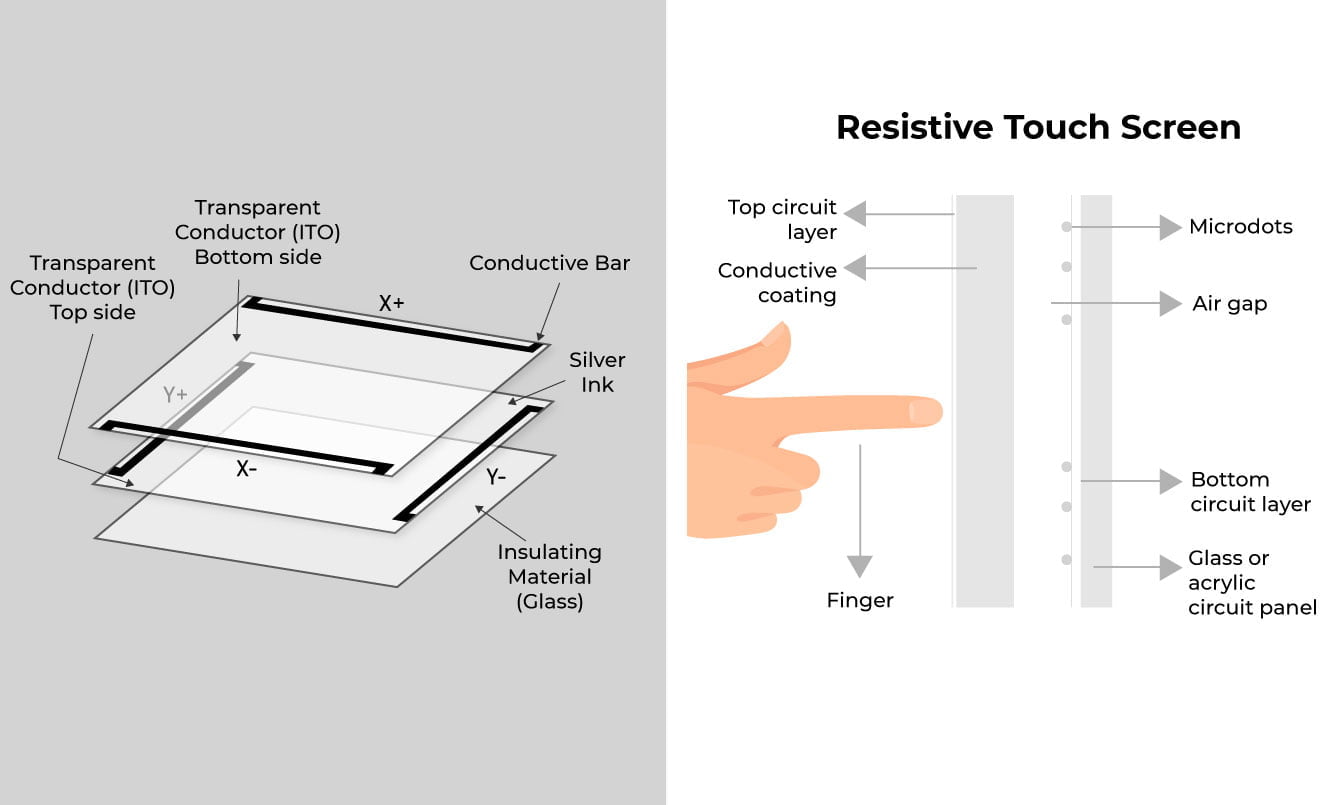
Wenn Druck auf den Bildschirm ausgeübt wird:
Da das System auf physischem Druck und nicht auf elektrischer Leitfähigkeit beruht, funktionieren resistive Touchscreens auch in staubigen, nassen oder elektrisch verrauschten Umgebungen zuverlässig.
Für Anwendungen, die verlängerte Betriebsdauer und stabile Leistung, Im Allgemeinen wird die 5-Draht-Widerstandstechnik empfohlen.
| Merkmal | Resistiver Touchscreen | Kapazitiver Touchscreen |
|---|---|---|
| Eingabe Methode | Druckbasiert | Auf Leitfähigkeit basierende |
| Handschuhbetrieb | ✅ Ja | ❌ Begrenzt |
| Stylus-Unterstützung | ✅ Ja | ❌ Begrenzt |
| Wasserbeständigkeit | ✅ Hoch | ⚠️ Mäßig |
| Multitouch | ❌ Nein | ✅ Ja |
| Industrielle Stabilität | ✅ Ausgezeichnet | ⚠️ Mittel |
| Kostenkontrolle | ✅ Einfacher | ❌ Höher |
Resistive Touchscreens sind anwendungsorientiert, während kapazitive Touchscreens eher in Verbrauchergeräten zu finden sind.
Resistive Touchscreens bieten mehrere Vorteile für den industriellen und professionellen Einsatz:
Diese Vorteile machen die resistive Technologie ideal für unternehmenskritische Schnittstellen.
Resistive Touchscreens sind zwar sehr zuverlässig, aber sie haben auch ihre Grenzen:
Für Anwendungen, bei denen Multi-Touch-Gesten oder eine hohe visuelle Klarheit wichtig sind, kann die kapazitive Technologie besser geeignet sein.
Resistive Touchscreens werden üblicherweise in:
Diese Umgebungen haben folgende Priorität Zuverlässigkeit, Berechenbarkeit und Langlebigkeit über die verbraucherorientierte Interaktion.
OEM- und Industrieprojekte erfordern häufig:
Resistive Touchscreens erfüllen diese Anforderungen, denn sie bieten langfristige Verfügbarkeit und konstante Leistung, was für industrielle Programme entscheidend ist.
Eagle Touch bietet kundenspezifische Lösungen für resistive Touchscreens entwickelt für industrielle und OEM-Anwendungen, einschließlich:
Unser ingenieurmäßiger Ansatz gewährleistet, dass jede Lösung genau auf Ihre Anwendungsanforderungen abgestimmt ist.
Ein resistiver Touchscreen ist oft die beste Wahl, wenn Ihr Projekt dies erfordert:
Wenn Sie die Touchtechnologie für eine industrielle oder OEM-Anwendung evaluieren, kann ein resistiver Touchscreen die zuverlässigste Lösung sein.
Einleitung Mensch-Maschine-Schnittstellen (HMIs) sind heute Standardkomponenten in modernen Industrieanlagen. Displays ermöglichen dem Bediener ...
Einleitung Industrielle Bildschirme werden häufig in Umgebungen eingesetzt, in denen die Lichtverhältnisse schwer zu kontrollieren sind. Ausrüstung ...
Einleitung Displays sind eine wichtige Schnittstellenkomponente in vielen Arten von Industrieanlagen. Sie bieten System ...

Einleitung Die Sichtbarkeit von Displays ist ein entscheidender Konstruktionsparameter bei Industrieanlagen. Die Bediener verlassen sich auf grafische Schnittstellen ...
Senden Sie uns Ihre Anwendungsdetails. Wir antworten mit einer Konfigurationsanweisung und den nächsten Schritten.