Guida all'acquisto dei fornitori di display industriali per le apparecchiature OEM

Introduzione Le interfacce uomo-macchina (HMI) sono ormai componenti standard delle moderne apparecchiature industriali. I display consentono agli operatori di ...
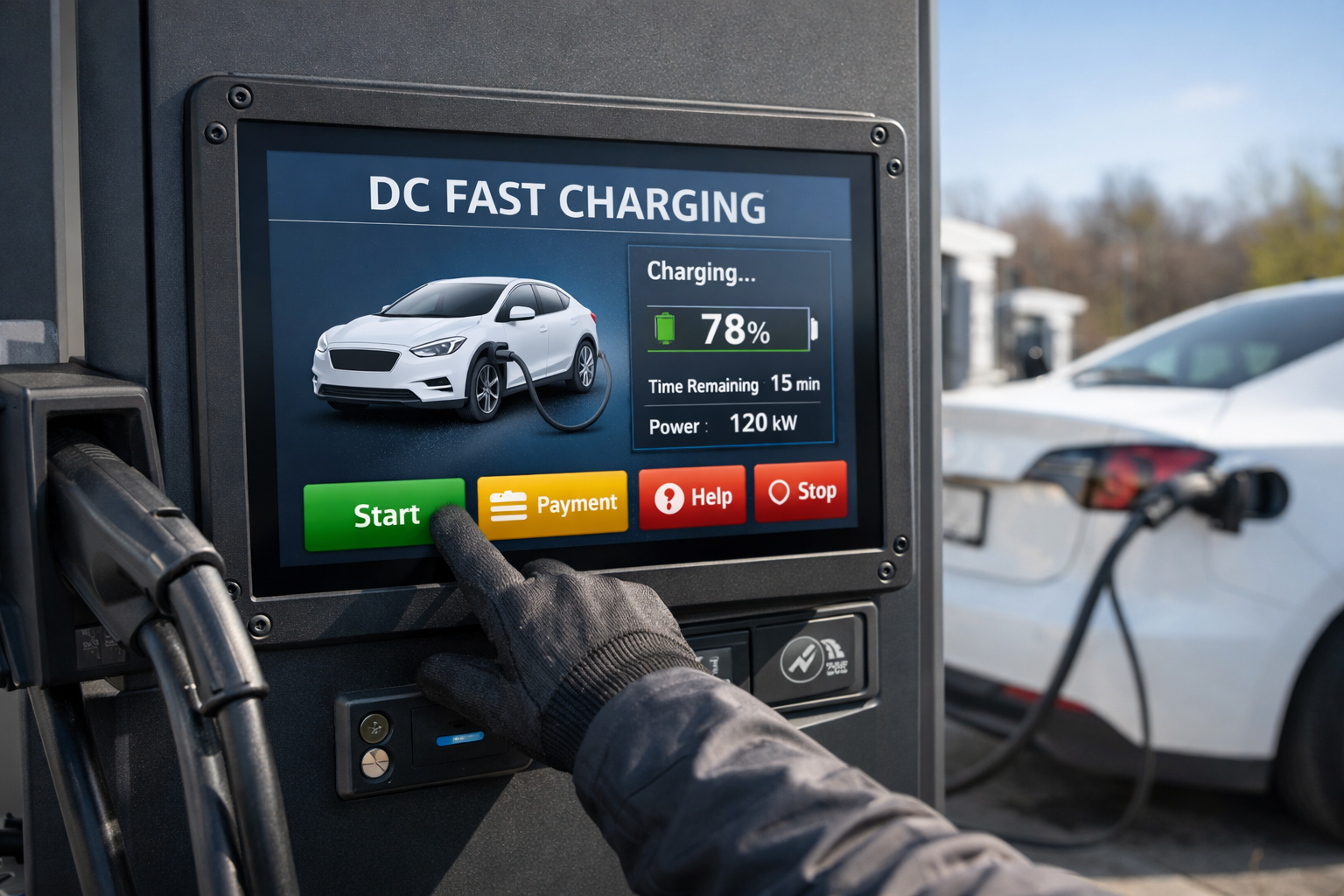
I caricabatterie veloci a corrente continua svolgono un ruolo fondamentale nella moderna infrastruttura dei veicoli elettrici (EV).
Con l'aumento della potenza di carica e la maggiore complessità dell'interazione con l'utente, I monitor touch sono diventati un componente fondamentale dell'interfaccia nelle stazioni di ricarica rapida DC.
A differenza dei display di stato di base, i monitor tattili dei caricabatterie rapidi CC devono supportare:
Questo articolo spiega come vengono utilizzati i monitor touch nei caricabatterie veloci DC, quali requisiti tecnici devono soddisfare e perché le soluzioni di livello industriale sono essenziali.
Nei sistemi di ricarica rapida in corrente continua, i monitor tattili fungono da interfaccia uomo-macchina (HMI) primaria.
Sono responsabili di:
Poiché il monitor tattile influisce direttamente sull'usabilità e sull'affidabilità, non è più una caratteristica opzionale, ma una caratteristica fondamentale. componente mission-critical.
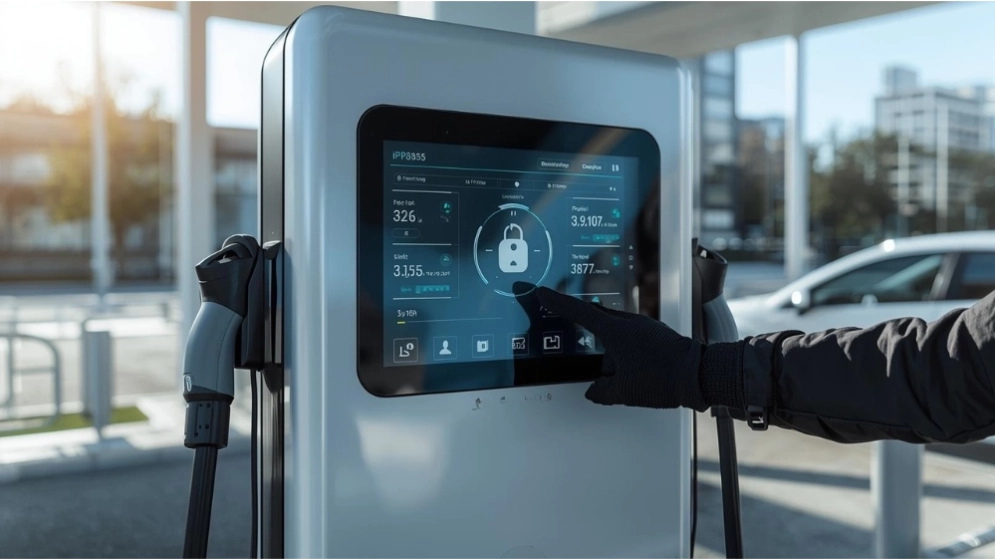
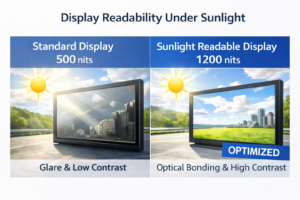
I caricabatterie veloci DC sono spesso installati all'aperto o in luoghi semi-esterni.
I monitor touch devono rimanere leggibili sotto:
I caricabatterie industriali richiedono in genere display ad alta luminosità in combinazione con trattamenti ottici come l'antiriflesso o l'incollaggio ottico.
I monitor tattili dei caricatori EV devono resistere:
Per questo motivo, gli alloggiamenti di tipo industriale, i pannelli frontali sigillati e i vetro di copertura temprato sono comunemente utilizzati.
Le stazioni di ricarica sono utilizzate in diverse condizioni, tra cui:
I monitor tattili devono essere adeguatamente sintonizzati per garantire che interazione stabile e precisa, anche quando le condizioni non sono ottimali.
La tecnologia PCAP touch è l'opzione più utilizzata nei moderni caricabatterie veloci in corrente continua grazie alle sue caratteristiche:
È particolarmente adatto per interfacce utente moderne e interazione con i pagamenti.
In alcune applicazioni possono essere prese in considerazione altre tecnologie tattili, ma spesso comportano compromessi in termini di usabilità, durata o flessibilità dell'interfaccia.
Man mano che le interfacce dei caricabatterie diventano più avanzate, Il PCAP è emerso come lo standard preferito per i sistemi di ricarica rapida in corrente continua.
Un'interfaccia touch ben progettata migliora:
Abilitazione dei monitor tattili:
Per le infrastrutture pubbliche EV, L'usabilità è direttamente collegata alla soddisfazione dei clienti e all'adozione delle stazioni..
I monitor tattili dei caricabatterie rapidi CC sono spesso integrati con:
Ciò richiede interfacce di comunicazione stabili e compatibilità a lungo termine con gli aggiornamenti del sistema.
I monitor touch industriali sono progettati per supportare specifiche controllate e lunghi cicli di vita dei prodotti, riducendo i rischi di integrazione.
Nonostante i loro vantaggi, i monitor tattili nei caricabatterie EV devono affrontare sfide quali:
Queste sfide devono essere affrontate attraverso selezione corretta dei componenti, progettazione dell'involucro e ingegnerizzazione a livello di sistema.
I monitor touch sono ormai ampiamente utilizzati:
Il loro ruolo va al di là della semplice visualizzazione: agiscono da centro di controllo e comunicazione del sistema di ricarica.
Sì. Con la luminosità, la tenuta e il vetro di copertura appropriati, i monitor touch industriali sono ampiamente utilizzati nei caricabatterie per veicoli elettrici all'aperto e semi-all'aperto.
Le dimensioni tipiche vanno da Da 10,1″ a 21,5″, a seconda della complessità dell'interfaccia e del design dell'involucro.
I monitor touch industriali offrono disponibilità a lungo termine, resistenza ambientale e prestazioni stabili, che sono fondamentali per i progetti infrastrutturali.
I monitor touch non sono più solo pannelli di visualizzazione: sono un elemento centrale di interfaccia nei moderni sistemi di ricarica rapida in corrente continua.
Consentendo un'interazione intuitiva, un funzionamento sicuro e prestazioni affidabili in ambienti esigenti, i monitor touch industriali supportano la continua espansione del settore della tecnologia. Infrastrutture di ricarica per veicoli elettrici in tutto il mondo.
Man mano che le reti di ricarica si ampliano e le aspettative degli utenti aumentano, una solida integrazione di monitor touch rimarrà essenziale per il successo della progettazione di un caricabatterie rapido CC.
Introduzione Le interfacce uomo-macchina (HMI) sono ormai componenti standard delle moderne apparecchiature industriali. I display consentono agli operatori di ...
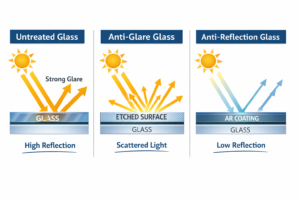
Introduzione I display industriali sono spesso utilizzati in ambienti in cui le condizioni di illuminazione sono difficili da controllare. Apparecchiature ...
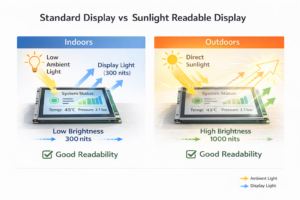
Introduzione I display sono un componente di interfaccia fondamentale in molti tipi di apparecchiature industriali. Forniscono al sistema ...
Introduzione La visibilità del display è un parametro critico nella progettazione delle apparecchiature industriali. Gli operatori si affidano alle interfacce grafiche ...
Inviate i dettagli della vostra applicazione. Risponderemo con la direzione della configurazione e le fasi successive.