産業用ディスプレイOEM機器サプライヤーバイヤガイド

はじめに ヒューマン・マシン・インターフェース(HMI)は、現代の産業機器の標準的な構成要素となっている。ディスプレイにより、オペレーターは以下のことが可能になる。 ...
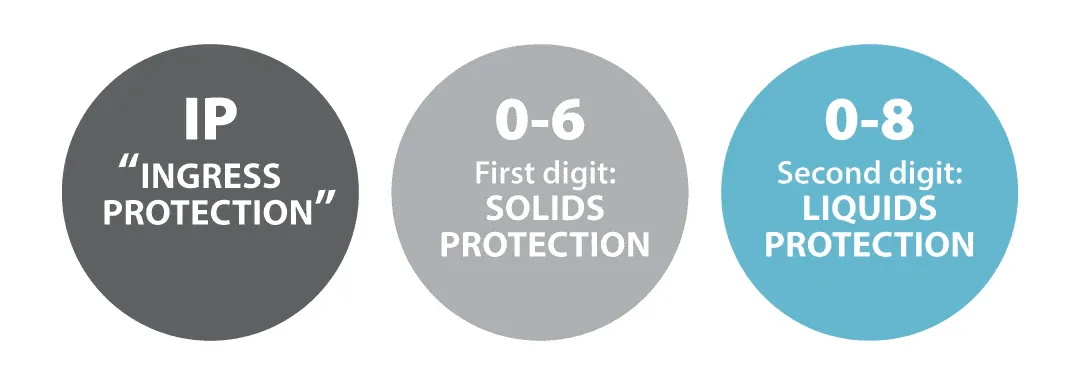
産業用パネルPCプロジェクト, IP等級(侵入保護) など、必須要件として早期に指定されることが多い。 前面保護等級IP65 または IP65準拠の筐体.
しかし、エンジニアリングの観点からは、IP定格が高いからといって、自動的にシステムの信頼性が向上するわけではない。.
パネルPC用 24時間365日稼働、長期ライフサイクルサポート、管理されたBOM管理, IPレーティングは、「IP」でなければならない。 設計制約, 単独の業績目標ではない.
この記事では、IPレーティングがどのように影響するかを説明する。 熱挙動、システム安定性、長期信頼性, そして、産業プロジェクトでよく見られる落とし穴を紹介する。.
産業環境では、IP等級は主に説明する:
パネルPCプロジェクトの典型的な要件は以下の通り:
⚠️ 注意することがある:
IP等級は、熱性能、システム寿命、保守性を定義するものではありません。.
IPレーティングを上げるには、ほとんどの場合 より強力なシーリング, これは、複数のシステムレベルの設計要因に直接影響する。.
その結果だ:
👉 IP定格が高くなるにつれて、熱設計がシステムの制限を支配するようになる。.
よくある誤解がある:
“より良いシーリングは常に耐久性を向上させる”
現実には
連続稼動するパネルPC用、,
熱管理は多くの場合、イングレス保護だけよりもMTBFに大きな影響を与える。.
完全密閉設計は通常、それを意味する:
長期または大規模な配備の場合、,
メンテナンス戦略は、環境保護と同じくらい重要である。.
“「IP65 ”は、しばしば定義されることなく仕様に記載される。 どこ しかし、技術的な意味合いは大きく異なる。.
こんな人に最適
メリット
こんな人に最適
工学的な意味合い:
👉 完全なIP保護は、デフォルトの仕様ではなく、設置条件によって決定されるべきである。.
実際のプロジェクトでは、IP等級は実際の環境ニーズ以上に指定されることが多い:
その結果、しばしばこうなる:
エンジニアリングのベストプラクティスは、実際の環境で必要とされる保護レベルのみを指定することである。.
IPレーティングは単独の要件として扱われるのではなく、併せて評価されるべきである:
IP定格は、システム設計における一つの変数であり、設計の目的そのものではない。.
産業用パネルPC用:
IP要件をロックする前に、特に高デューティサイクルのシステムについては、,
エンクロージャーの設計、熱的余裕、運用上のリスクを一緒に検討することが望ましい場合が多い。.
IP等級は環境暴露に対応する。.
システム設計が長期的な信頼性を左右する。.
一方が他方に取って代わることはできない。.
はじめに ヒューマン・マシン・インターフェース(HMI)は、現代の産業機器の標準的な構成要素となっている。ディスプレイにより、オペレーターは以下のことが可能になる。 ...
はじめに 産業用ディスプレイは、照明条件の制御が困難な環境に設置されることが多い。設備 ...
はじめに ディスプレイは、多くの種類の産業機器において重要なインターフェース・コンポーネントである。システム ...
はじめに ディスプレイの視認性は、産業機器において非常に重要な設計パラメータである。オペレータはグラフィカル・インターフェース ...
アプリケーションの詳細をお送りください。構成の方向性と次のステップを返信します。.