Guia do comprador do fornecedor de ecrãs industriais para equipamento OEM

Introdução As interfaces homem-máquina (IHM) são atualmente componentes normais dos equipamentos industriais modernos. Os ecrãs permitem aos operadores ...
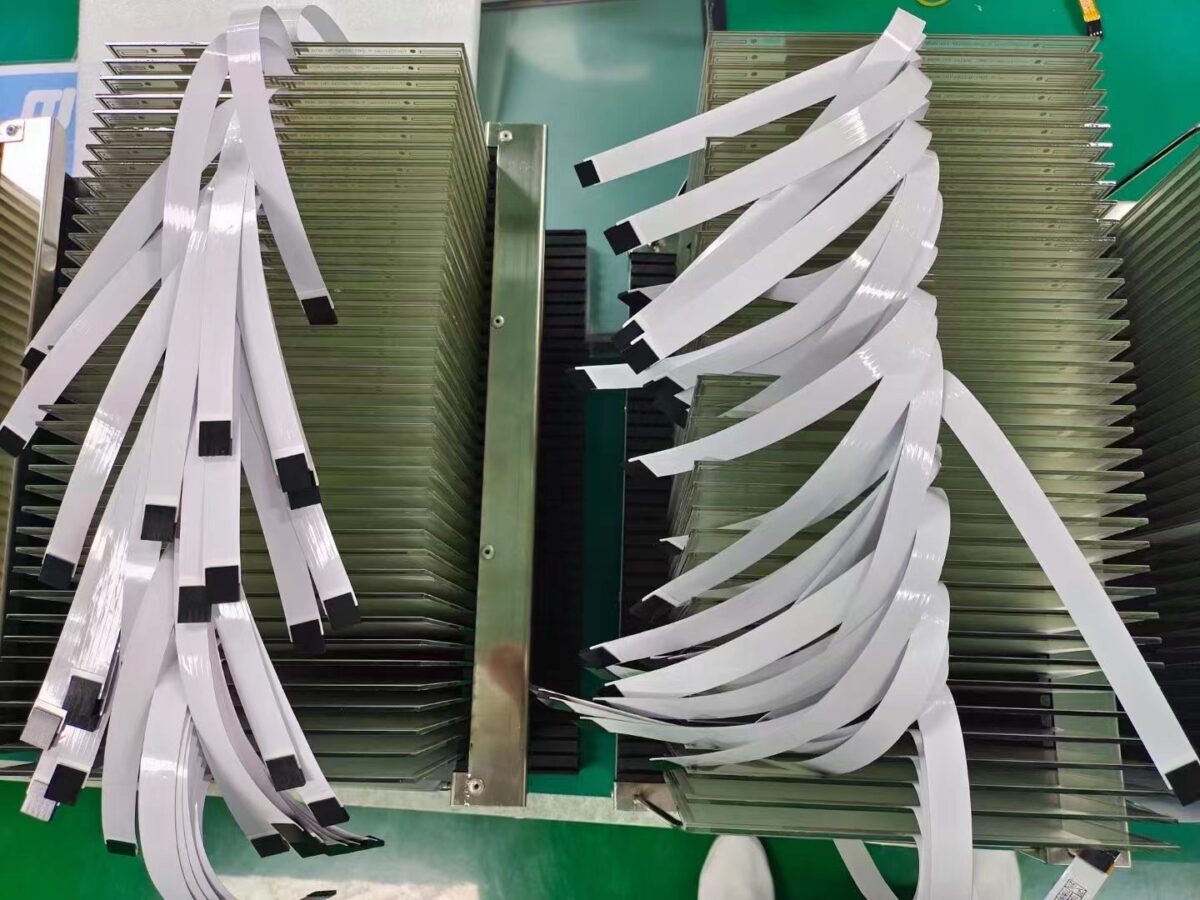
Os ecrãs tácteis resistivos continuam a ser uma das tecnologias tácteis mais fiáveis e amplamente utilizadas em aplicações industriais e profissionais.
Ao contrário dos ecrãs tácteis capacitivos orientados para o consumidor, os ecrãs tácteis resistivos são activados por pressão e funcionam com os dedos, luvas, canetas stylus ou qualquer objeto sólido.
Devido à sua estabilidade, previsibilidade e resistência ambiental, os ecrãs tácteis resistivos continuam a ser a solução preferida para sistemas de controlo industrial, equipamento médico e projectos OEM que exigem disponibilidade a longo prazo.
Este guia explica:
A ecrã tátil resistivo é um dispositivo de entrada sensível à pressão que consiste em duas camadas condutoras transparentes separadas por um espaço fino. Quando é aplicada pressão, as camadas entram em contacto e o controlador detecta o local de toque.
As principais caraterísticas incluem:
Isto torna a tecnologia resistiva especialmente adequada para aplicações industriais, médicas e exteriores.
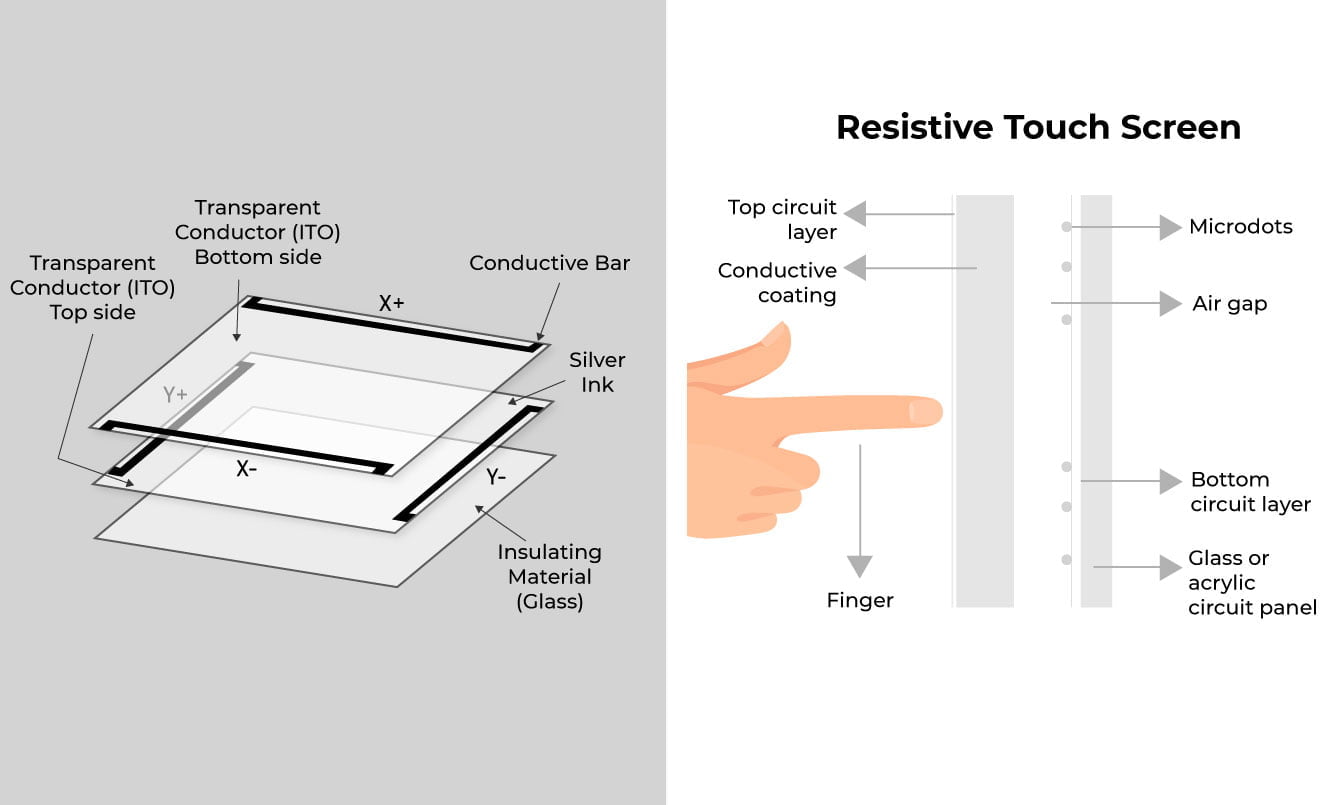
Quando é aplicada pressão no ecrã:
Uma vez que o sistema se baseia na pressão física e não na condutividade eléctrica, os ecrãs tácteis resistivos funcionam de forma fiável em ambientes poeirentos, húmidos ou com ruído elétrico.
Para aplicações que requerem vida útil prolongada e desempenho estável, A tecnologia resistiva de 5 fios é geralmente recomendada.
| Caraterística | Ecrã tátil resistivo | Ecrã tátil capacitivo |
|---|---|---|
| Método de entrada | À base de pressão | Baseado na condutividade |
| Funcionamento das luvas | ✅ Sim | ❌ Limitada |
| Suporte da caneta | ✅ Sim | ❌ Limitada |
| Resistência à água | ✅ Alta | ⚠️ Moderado |
| Multi-toque | ❌ Não | ✅ Sim |
| Estabilidade industrial | ✅ Excelente | ⚠️ Médio |
| Controlo de custos | ✅ Mais fácil | ❌ Superior |
Os ecrãs tácteis resistivos são orientados para as aplicações, enquanto os ecrãs tácteis capacitivos são mais comuns nos dispositivos de consumo.
Os ecrãs tácteis resistivos oferecem várias vantagens para utilização industrial e profissional:
Estas vantagens tornam a tecnologia resistiva ideal para interfaces de missão crítica.
Embora os ecrãs tácteis resistivos sejam altamente fiáveis, têm limitações:
Para aplicações em que os gestos multi-toque ou a elevada nitidez visual são essenciais, a tecnologia capacitiva pode ser mais adequada.
Os ecrãs tácteis resistivos são normalmente utilizados em:
Estes ambientes dão prioridade fiabilidade, previsibilidade e durabilidade sobre a interação ao estilo do consumidor.
Os projectos OEM e industriais exigem frequentemente:
Os ecrãs tácteis resistivos satisfazem estes requisitos, oferecendo disponibilidade a longo prazo e desempenho consistente, o que é fundamental para os programas industriais.
Toque de Águia fornece soluções personalizadas de ecrãs tácteis resistivos concebidos para aplicações industriais e OEM, incluindo:
A nossa abordagem orientada para a engenharia garante que cada solução se alinha exatamente com os requisitos da sua aplicação.
Um ecrã tátil resistivo é frequentemente a melhor escolha se o seu projeto o exigir:
Se estiver a avaliar a tecnologia tátil para uma aplicação industrial ou OEM, um ecrã tátil resistivo pode ser a solução mais fiável.
Introdução As interfaces homem-máquina (IHM) são atualmente componentes normais dos equipamentos industriais modernos. Os ecrãs permitem aos operadores ...
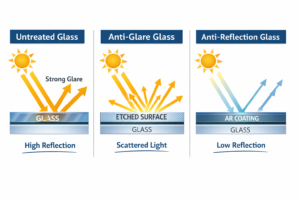
Introdução Os ecrãs industriais são frequentemente utilizados em ambientes onde as condições de iluminação são difíceis de controlar. Equipamento ...
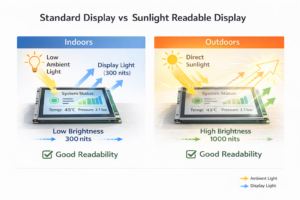
Introdução Os ecrãs são um componente de interface crítico em muitos tipos de equipamento industrial. Fornecem ao sistema ...
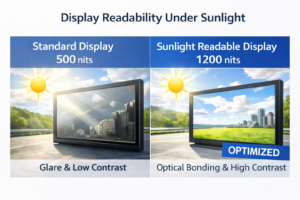
Introdução A visibilidade do ecrã é um parâmetro de conceção fundamental nos equipamentos industriais. Os operadores confiam nas interfaces gráficas ...
Envie os detalhes da sua aplicação. Responderemos com orientações de configuração e próximos passos.