المدونة
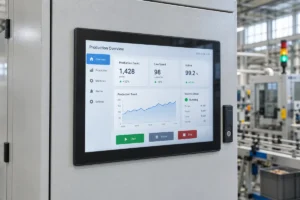
ما هو الكمبيوتر اللوحي الصناعي؟ المكونات والأنواع والتطبيقات
الكمبيوتر اللوحي الصناعي هو جهاز كمبيوتر مزود بشاشة مدمجة، عادةً ما تكون شاشة تعمل باللمس، مصمم للتركيب في المعدات الصناعية أو في أماكن العمل…
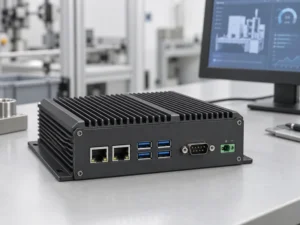
ما هو الكمبيوتر المدمج؟ وكيف يعمل في المعدات الصناعية؟
الكمبيوتر المدمج هو جهاز كمبيوتر تم تهيئته ليعمل كجزء من آلة أو نظام أكبر. وهو يقوم بتشغيل برامج الجهاز…
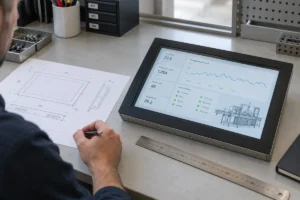
كيفية اختيار جهاز كمبيوتر لوحي صناعي مناسب لتطبيقك
ابدأ بالبرمجيات التي يجب أن يعمل عليها الكمبيوتر اللوحي والشروط التي يجب أن يستوفيها. ثم اختر الشاشة، وأجهزة الحوسبة، ومصدر الطاقة...
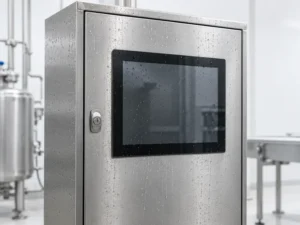
تصنيفات IP لأجهزة الكمبيوتر اللوحية الصناعية: كيفية اختيار مستوى الحماية المناسب
يبدأ اختيار تصنيف IP لجهاز الكمبيوتر اللوحي الصناعي بطرح سؤالين: ما مدى تعرض الجهاز للغبار والماء، وأي…
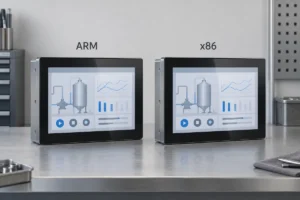
أجهزة الكمبيوتر اللوحية الصناعية التي تعمل بنظام ARM مقابل تلك التي تعمل بنظام x86: كيفية الاختيار
قد يبدو جهاز الكمبيوتر اللوحي الذي يعمل بنظام ARM وجهاز الكمبيوتر اللوحي الذي يعمل بنظام x86 متطابقين، وقد يعرضان شاشات تشغيل متشابهة. وتصبح الاختلافات أكثر أهمية عندما...
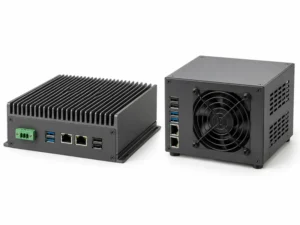
أجهزة الكمبيوتر الصناعية الخالية من المروحة مقابل أجهزة الكمبيوتر الصناعية المبردة بالمروحة: أيهما يجب أن تختار؟
يُعد الكمبيوتر الصناعي الذي يعمل بدون مروحة خيارًا جديرًا بالاعتبار عندما يكون وجود الغبار أو الضوضاء أو صعوبة الوصول لإجراء الصيانة من العوامل التي تجعل استخدام مروحة التبريد أمرًا غير مرغوب فيه. أما الكمبيوتر الصناعي الذي يتم تبريده بمروحة…
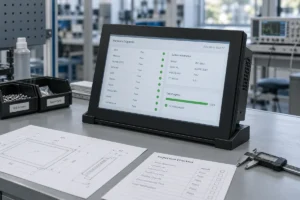
كيفية اختيار مورد لأجهزة الكمبيوتر اللوحية الصناعية: قائمة مراجعة لمصنعي المعدات الأصلية (OEM)
اختر موردًا لأجهزة الكمبيوتر اللوحية الصناعية يكون قادرًا على توثيق التكوين المقترح، ودعم إجراء الاختبارات على معداتك، وشرح كيفية إجراء الطلبات المتكررة…
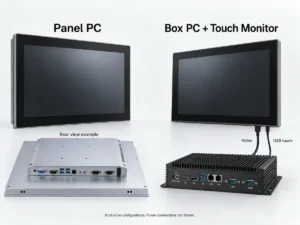
الكمبيوتر اللوحي مقابل الكمبيوتر الصندوقي: أيهما يناسب معداتك الصناعية؟
يجمع جهاز الكمبيوتر اللوحي بين وحدة المعالجة والشاشة التي تعمل باللمس في هيكل واحد، مما يقلل من الحاجة إلى التركيب المنفصل وتوصيل الكابلات الخاصة بالشاشة. جهاز الكمبيوتر الصندوقي المزود بـ…
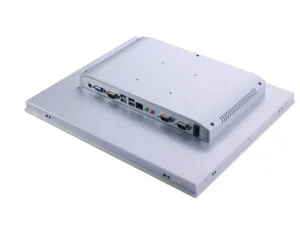
منافذ الإدخال/الإخراج في أجهزة الكمبيوتر اللوحية: كيفية اختيار الواجهات لمعدات مصنعي المعدات الأصلية (OEM)
تبدو المواصفات مثل “4 منافذ USB، 2 منافذ LAN، 2 منافذ COM” بسيطة وواضحة. لكنها لا تزال تترك عدة أسئلة دون إجابة: هل يمكن…
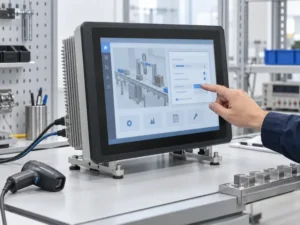
أنظمة تشغيل أجهزة الكمبيوتر اللوحية الصناعية: ويندوز أم لينكس أم أندرويد؟
اختر نظام تشغيل لجهاز الكمبيوتر اللوحي الصناعي بناءً على البرامج التي يحتاج الجهاز إلى تشغيلها. ابدأ بنظام ويندوز عندما يكون هناك تطبيق موجود…