Les PC industriels sont devenus un élément essentiel des systèmes modernes d'automatisation, de fabrication et de contrôle.
Contrairement aux ordinateurs grand public, PC industriels à panneaux sont conçus pour fonctionner de manière fiable dans des environnements difficiles où la stabilité, la durabilité et la disponibilité à long terme sont plus importantes que les seules performances brutes.
Pour choisir le bon panel PC industriel, il faut bien comprendre les exigences de votre application. Ce guide explique les facteurs clés à prendre en compte pour prendre une décision éclairée.
Qu'est-ce qu'un Panel PC industriel ?
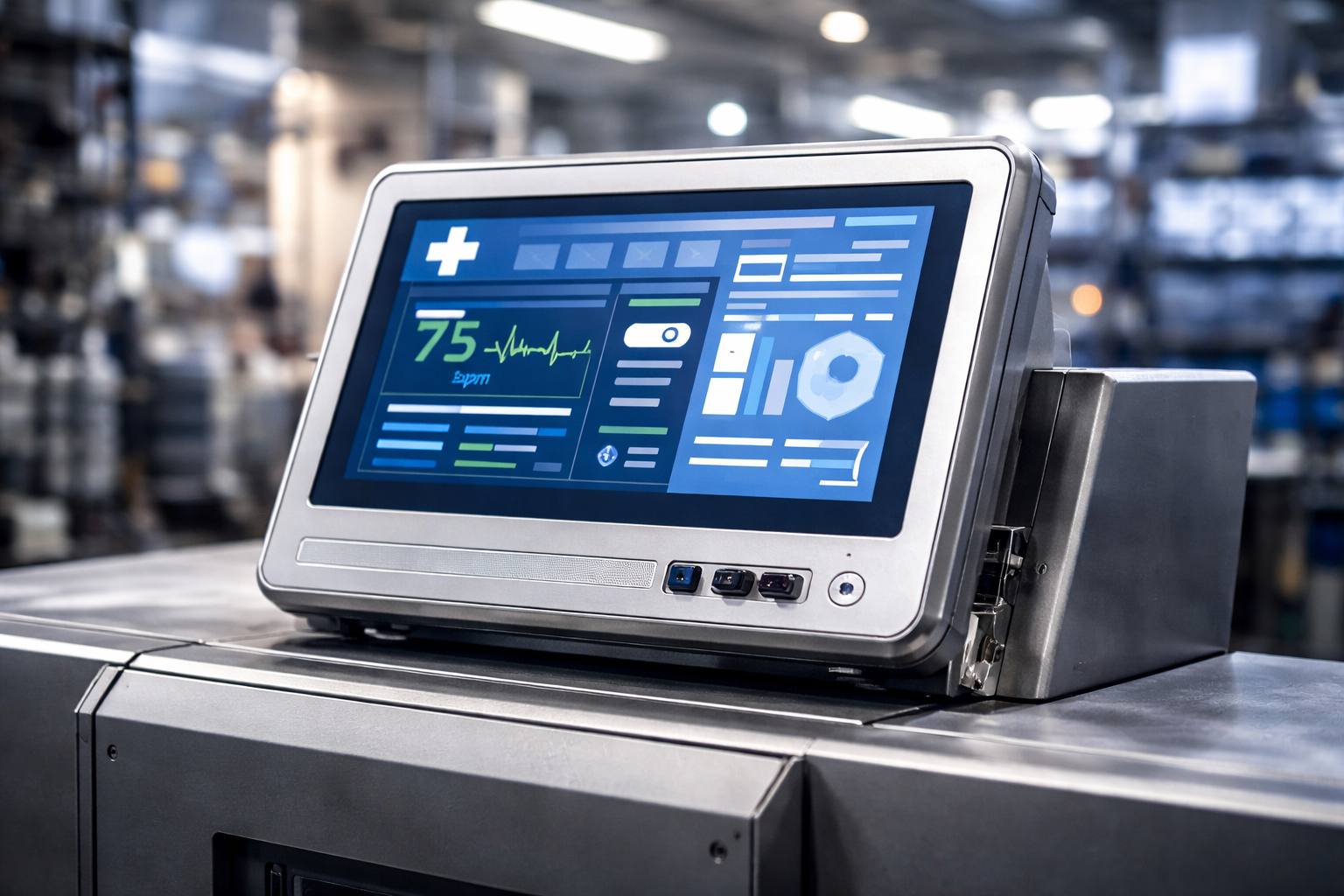
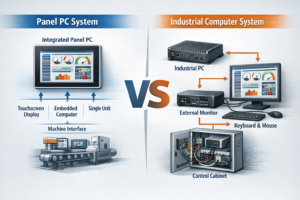
Un Panel PC industriel est un dispositif informatique tout-en-un qui intègre un écran, un écran tactile et un ordinateur de qualité industrielle dans un seul boîtier.
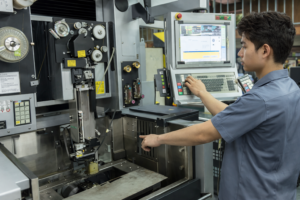
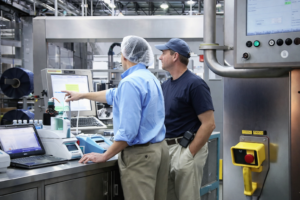
Ces systèmes sont largement utilisés dans les usines, les panneaux de contrôle des machines, les kiosques et les terminaux industriels.
Par rapport aux PC standard, les PC industriels offrent les avantages suivants
- Durabilité accrue
- Conceptions sans ventilateur ou nécessitant peu de maintenance
- Fonctionnement à température prolongée
- Soutien au long cycle de vie des produits
Pourquoi le choix d'un Panel PC industriel est important
La sélection d'un mauvais ordinateur de bord peut entraîner des conséquences négatives :
- Temps d'arrêt imprévu
- Problèmes de compatibilité avec les équipements industriels
- Augmentation des coûts de maintenance
- Réduction du cycle de vie des produits
Un panel PC industriel bien choisi améliore efficacité opérationnelle, L'objectif est de réduire les coûts, de diminuer les risques et de soutenir la stabilité à long terme du système.
Facteurs clés à prendre en compte lors du choix d'un Panel PC industriel
Exigences de performance
Commencez par évaluer la puissance de traitement dont votre application a besoin.
Les PC industriels sont disponibles avec différentes options de CPU, allant des processeurs de faible puissance pour les tâches IHM simples aux CPU plus performants pour le traitement et la visualisation des données.
Envisager :
- Complexité de l'application
- Exigences en matière de système d'exploitation
- Compatibilité des logiciels
Évitez de sur-spécifier le matériel, car cela peut augmenter les coûts sans réel avantage.
Conditions environnementales
Les environnements industriels peuvent être difficiles. Votre panel PC doit être conçu pour résister :
- Températures élevées ou basses
- Poussière et humidité
- Vibrations et chocs
Recherchez des caractéristiques telles que
- Conceptions de refroidissement sans ventilateur
- Panneaux frontaux scellés
- Composants de qualité industrielle
Sélection de l'affichage et de l'écran tactile
L'écran est la principale interface entre les opérateurs et les machines. Les principaux aspects sont les suivants :
- Taille et résolution de l'écran
- Technologie tactile (projetée capacitive ou résistive)
- Soutien au toucher ganté ou humide
- Lisibilité sous éclairage ambiant
Le choix d'un écran tactile adapté améliore la convivialité et réduit les erreurs de manipulation.
Options de montage et d'installation
Les PC industriels doivent s'intégrer harmonieusement dans les systèmes existants.
Les options de montage les plus courantes sont les suivantes
- Montage sur panneau
- Montage VESA
- Intégration d'un cadre ouvert
Assurez-vous que le modèle sélectionné correspond à la conception de votre boîtier et aux contraintes d'installation.
Connectivité et expansion
Les applications industrielles nécessitent souvent des interfaces multiples.
Vérifier la prise en charge de :
- Ports série (RS232 / RS485)
- USB et Ethernet
- Interfaces GPIO ou bus de terrain
Une connectivité adéquate garantit la compatibilité avec les capteurs, les contrôleurs et les réseaux industriels.
Disponibilité et soutien à long terme
Contrairement aux produits de consommation, les systèmes industriels sont censés rester en service pendant de nombreuses années.
Choisissez un fournisseur qui offre :
- Disponibilité à long terme des composants
- Plateformes matérielles stables
- Une documentation et un soutien cohérents
Cela réduit le risque de refonte et protège votre investissement.
Panel PC sans ventilateur ou à refroidissement actif
Les PC industriels sans ventilateur sont souvent préférés pour les raisons suivantes :
- Réduction de la maintenance
- Fiabilité accrue
- Fonctionnement silencieux
Toutefois, les applications à haute performance peuvent nécessiter un refroidissement actif.
Le choix dépend de l'équilibre entre les besoins de performance et les conditions environnementales.
Applications industrielles courantes pour les PC à écran tactile
Les PC industriels sont largement utilisés dans :
- Automatisation de la fabrication
- Systèmes de contrôle des machines
- Kiosques et terminaux industriels
- Surveillance de l'énergie et des services publics
- Transport et logistique
Chaque application ayant des exigences particulières, il est essentiel de procéder à une évaluation minutieuse.
Comment choisir le meilleur Panel PC pour votre entreprise
Pour sélectionner le le meilleur PC industriel :
- Définir les exigences de l'application
- Évaluer les conditions environnementales et d'installation
- Choisir les spécifications de performance et d'affichage appropriées
- Assurer la disponibilité à long terme et l'assistance technique
Une approche structurée permet d'éviter des erreurs coûteuses et de garantir un fonctionnement fiable.
Réflexions finales
Choisir le meilleur panel PC industriel ne consiste pas à sélectionner le système le plus puissant, mais plutôt à sélectionner le système le plus performant. le bon système pour votre application spécifique.
En mettant l'accent sur la fiabilité, la compatibilité et l'assistance à long terme, les entreprises peuvent construire des systèmes industriels qui fonctionnent efficacement et régulièrement au fil du temps.
Besoin d'aide pour choisir le bon Panel PC industriel ?
Si vous planifiez un projet industriel et que vous avez besoin de conseils sur la sélection d'un panel PC, travailler avec un fabricant expérimenté peut simplifier le processus.