パネルPCと産業用コンピュータ:アーキテクチャと統合の違い
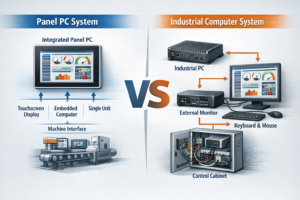
はじめに 産業用システムの設計において、適切なコンピューティング・アーキテクチャを選択することは、システムの信頼性や統合の複雑性に直接影響する、, ...
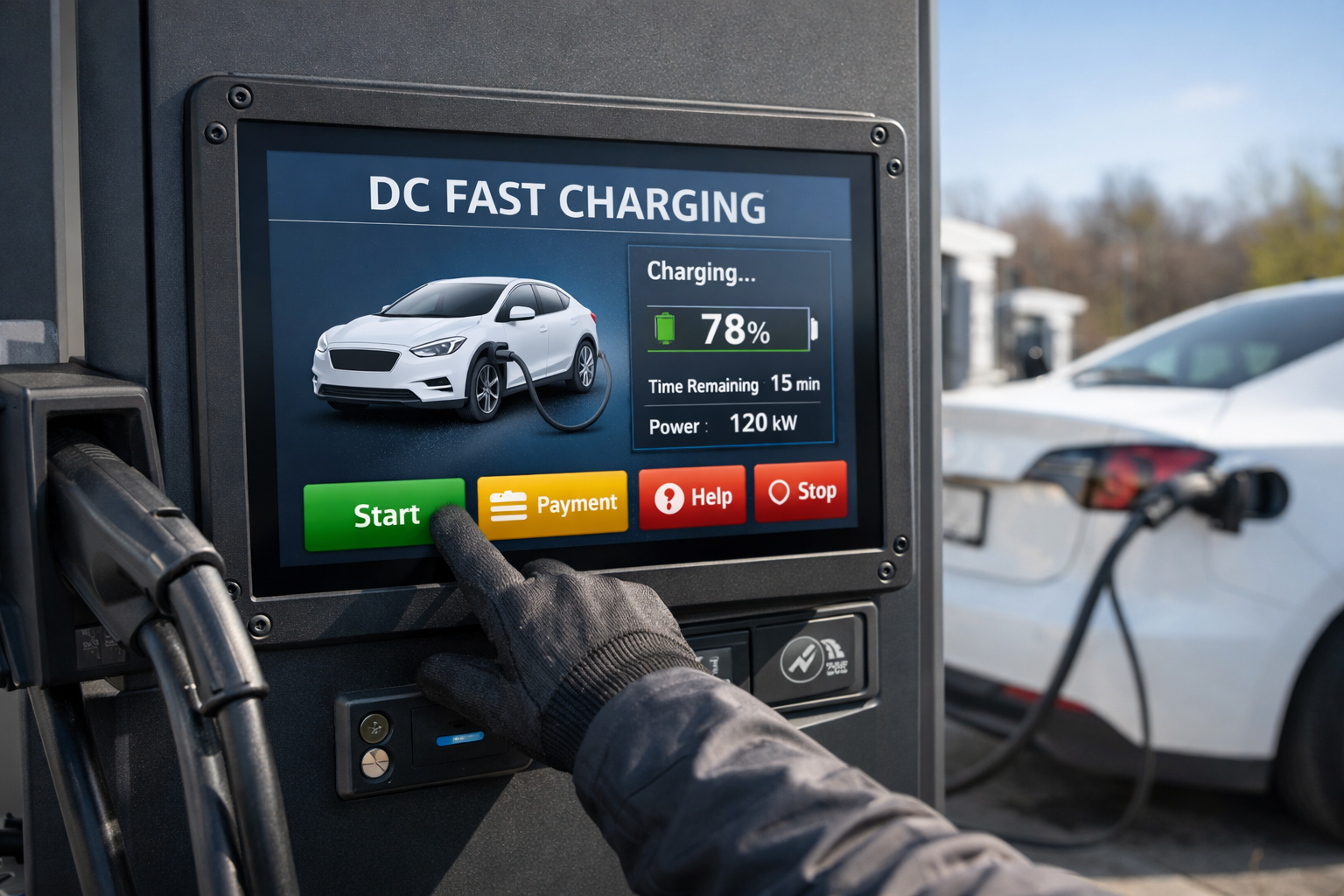
DC急速充電器は、現代の電気自動車(EV)インフラにおいて重要な役割を果たしている。.
充電能力が高まり、ユーザーとのやりとりがより複雑になるにつれて、, タッチモニターは、インターフェースの中核をなす部品となった DC急速充電ステーションに設置されている。.
基本的なステータス表示とは異なり、DC急速充電器のタッチモニターはサポートしなければならない:
この記事では、次のように説明している。 DC急速充電器におけるタッチモニターの使用方法、タッチモニターが満たすべき技術要件、産業グレードのソリューションが不可欠な理由.
DC 急速充電システムでは、タッチモニターは次のように機能する。 プライマリ・ヒューマンマシンインタフェース(HMI).
彼らの責任は重い:
タッチモニターは使いやすさと信頼性に直接影響するため、もはやオプション機能ではなく、必要不可欠なものなのだ。 基幹部品.
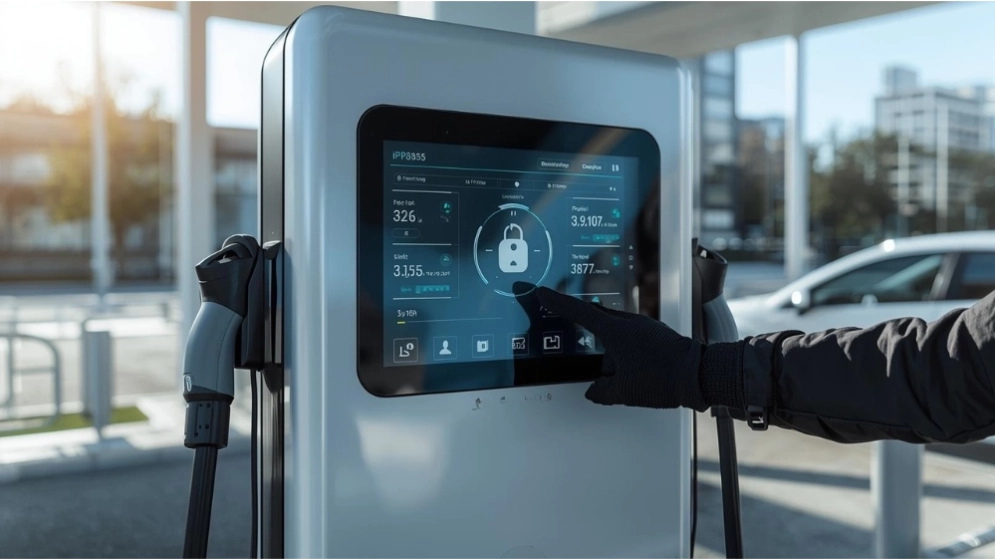
DC急速充電器は、屋外または半屋外の場所に設置されることが多い。.
タッチ・モニターは、その下でも読み取り可能でなければならない:
産業用充電器には通常 高輝度ディスプレイ アンチグレアやオプティカルボンディングなどの光学的処理と組み合わせる。.
EV充電器のタッチモニターは耐久性が必要:
このため、産業グレードの筐体、密閉されたフロントパネル、および 強化カバーガラス がよく使われる。.
充電ステーションは、以下のような多様な条件で使用される:
タッチモニターは、以下のことを保証するために適切に調整されなければならない。 安定した正確な相互作用, たとえコンディションが理想的でないときでも。.
PCAPタッチ・テクノロジーは、その特性から、最近のDC急速充電器で最も広く使用されているオプションである:
特に次のような用途に適している。 最新のユーザー・インターフェースと決済インタラクション.
用途によっては、他のタッチ技術も検討されるが、使い勝手や耐久性、インターフェイスの柔軟性といった点でトレードオフになることが多い。.
充電器のインターフェイスがより高度になるにつれて、, PCAPは望ましい基準として浮上してきた DC急速充電システム用。.
よく設計されたタッチインターフェースは改善される:
タッチモニターを有効にする:
公共のEVインフラ、, ユーザビリティは顧客満足度とステーション導入に直結する.
DC急速充電器のタッチモニターは、多くの場合統合されている:
そのためには、安定した通信インターフェースと、システムのアップグレードに対する長期的な互換性が必要だ。.
産業用タッチモニターは、以下をサポートするように設計されています。 管理された仕様と長い製品ライフサイクル, 統合のリスクを軽減する。.
その利点にもかかわらず、EV充電器のタッチモニターには次のような課題がある:
これらの課題には、次のような方法で対処しなければならない。 適切なコンポーネントの選択、エンクロージャーの設計、システムレベルのエンジニアリング.
タッチモニターは現在、広く普及している:
その役割は、単なる展示にとどまらない。 コントロール・コミュニケーション・センター 充電システムの.
はい。適切な明るさ、密閉性、カバーガラスを備えた産業用タッチモニターは、屋外や半屋外のEV充電器に広く使用されています。.
一般的なサイズは以下の通り。 10.1~21.5インチ, インターフェイスの複雑さとエンクロージャーの設計による。.
産業用タッチモニターは以下を提供する。 長期使用可能、耐環境性、安定した性能, インフラ・プロジェクトには欠かせないものだ。.
タッチモニターはもはや単なるディスプレイパネルではない。 セントラルインターフェイスエレメント 最新のDC急速充電システムにおける.
産業用タッチモニターは、直感的なインタラクション、安全な操作、過酷な環境下での信頼性の高いパフォーマンスを実現することで、以下のような産業の継続的な拡大をサポートします。 世界のEV充電インフラ.
充電ネットワークが拡大し、ユーザーの期待が高まるにつれて、, 堅牢なタッチモニターの統合は今後も不可欠 DC急速充電器の設計を成功させるために.
はじめに 産業用システムの設計において、適切なコンピューティング・アーキテクチャを選択することは、システムの信頼性や統合の複雑性に直接影響する、, ...
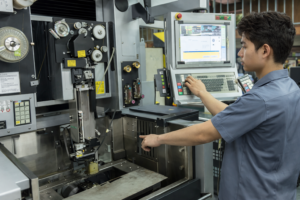
はじめに 産業用機器では、ディスプレイ・サブシステムは、より広範なヒューマン・マシン・インターフェイス(HMI)の一部であり ...

はじめに 産業機器の設計において、ヒューマン・マシン・インターフェース(HMI)は、システムの使いやすさ、信頼性、メンテナンスに直接影響する。 ...

はじめに ヒューマン・マシン・インターフェース(HMI)は、現代の産業機器の標準的な構成要素となっている。ディスプレイにより、オペレーターは以下のことが可能になる。 ...
アプリケーションの詳細をお送りください。構成の方向性と次のステップを返信します。.