産業用ディスプレイOEM機器サプライヤーバイヤガイド

はじめに ヒューマン・マシン・インターフェース(HMI)は、現代の産業機器の標準的な構成要素となっている。ディスプレイにより、オペレーターは以下のことが可能になる。 ...
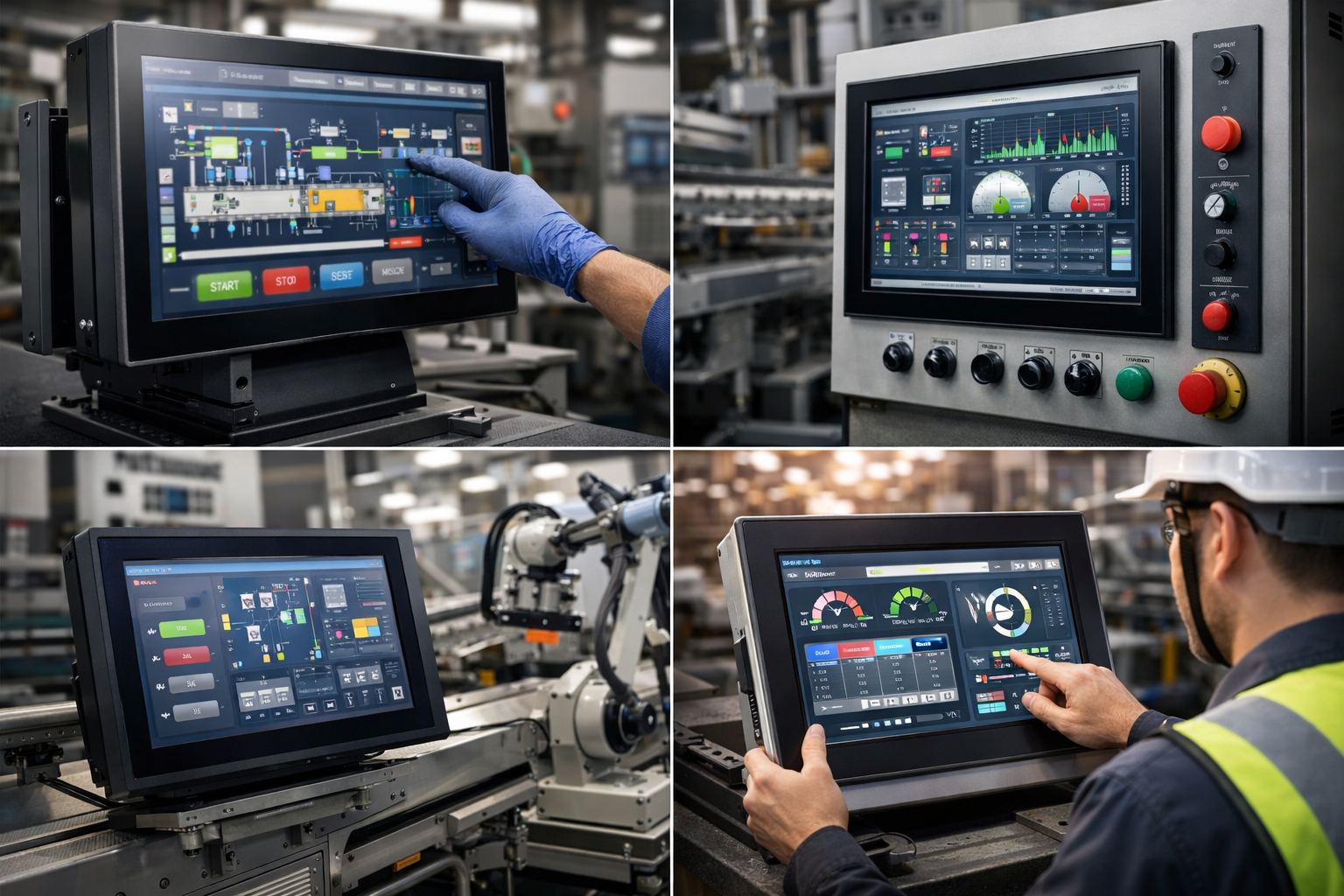
タッチスクリーン・モニターは、今や コアインターフェース技術 現代の産業オートメーションにおける.
工場の制御パネルから複雑な機械のHMIまで、タッチスクリーンはもはやオプションではありません。 効率性、信頼性、システムの使いやすさが重要.
この記事では、次のように説明している。 なぜ タッチスクリーンモニター 産業オートメーション, 産業グレードのソリューションを選択する際、エンジニアは何を考慮すべきか。.
産業用タッチスクリーンモニターは 堅牢なディスプレイ・インターフェース などの過酷な環境での連続運転用に設計されている:
民生用ディスプレイとは異なり、産業用タッチスクリーン・モニターはそのために作られている:
彼らは通常、次のようなサポートを提供している。 抵抗膜方式または投影型静電容量方式(PCAP)タッチ, HDMI、VGA、DP、USBなどの産業用インターフェイスを装備しています。.
タッチスクリーンは、オペレーターが機械と対話するのに必要な時間を劇的に短縮する。.
物理的なボタンや外部キーボードを操作する代わりに、オペレーターは以下のことができる:
これは次のことにつながる。 応答時間の短縮と操作ミスの低減, 特に高スループット環境では。.
従来の制御盤では、以下のことが必要だった:
タッチスクリーンモニター すべてのインタラクションを単一のインターフェイスに統合, システム設計を簡素化し、故障箇所を減らすことができる。.
システム・インテグレーターにとって、これは重要なことだ:
産業オートメーション環境は、機器を危険にさらす:
産業用タッチスクリーンモニターは、以下のような特徴を備えています:
この信頼性は、次のような場合に不可欠である。 年中無休の工業運転.
現代のオートメーション・システムは、可視化ソフトウェアとSCADAプラットフォームに大きく依存している。.
タッチスクリーンモニターが可能にする:
このため、システムは オペレーターにとってより直感的 また、施設間での標準化も容易である。.
産業用タッチスクリーンモニターは、民生用ディスプレイよりも初期費用は高いかもしれませんが、長期的には大きな節約になります:
産業オートメーションプロジェクト向け、, 総所有コスト(TCO) 最初の価格よりも重要なことだ。.
多くのオートメーション・プロジェクトでは 非標準仕様, などである:
そのため、OEMやシステムインテグレーターは、しばしば次のような協力を行っている。 産業用タッチスクリーンメーカー 市販の消費者向け製品よりも。.
カスタムアプローチは、統合リスクを軽減し、長期的なプロジェクトの安定性を保証します。.
タッチスクリーンモニターは、もはや単なる表示装置ではない。 産業オートメーション・システムのコア・コンポーネント.
彼らは向上する:
オートメーションが進化し続ける中、タッチスクリーン・インターフェースは今後も重要な役割を果たすだろう。 基盤技術 産業用途全般にわたって。.
産業オートメーション・プロジェクトに取り組んでいて、次のようなものが必要な場合 信頼性の高い長期タッチスクリーンソリューション, 早期に要件を評価し、経験豊富な工業メーカーと協力することが重要である。.
はじめに ヒューマン・マシン・インターフェース(HMI)は、現代の産業機器の標準的な構成要素となっている。ディスプレイにより、オペレーターは以下のことが可能になる。 ...
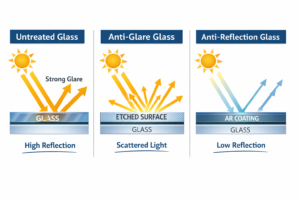
はじめに 産業用ディスプレイは、照明条件の制御が困難な環境に設置されることが多い。設備 ...
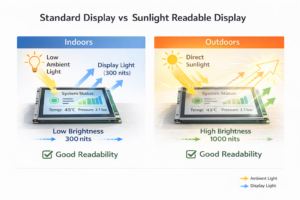
はじめに ディスプレイは、多くの種類の産業機器において重要なインターフェース・コンポーネントである。システム ...
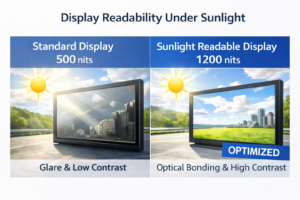
はじめに ディスプレイの視認性は、産業機器において非常に重要な設計パラメータである。オペレータはグラフィカル・インターフェース ...
アプリケーションの詳細をお送りください。構成の方向性と次のステップを返信します。.