블로그

How to Choose the Best Industrial Panel PC for Your Business Needs

게시됨: 1월 15, 2026
산업용 선택 가이드 통합 참고 사항
industrial panel pc

Industrial panel PCs have become a core component in modern automation, manufacturing, and control systems.
Unlike consumer-grade computers, industrial panel PCs are designed to operate reliably in harsh environments where stability, durability, and long-term availability matter more than raw performance alone.

Choosing the right industrial panel PC requires a clear understanding of your application requirements. This guide explains the key factors you should consider to make an informed decision.


What Is an Industrial Panel PC?

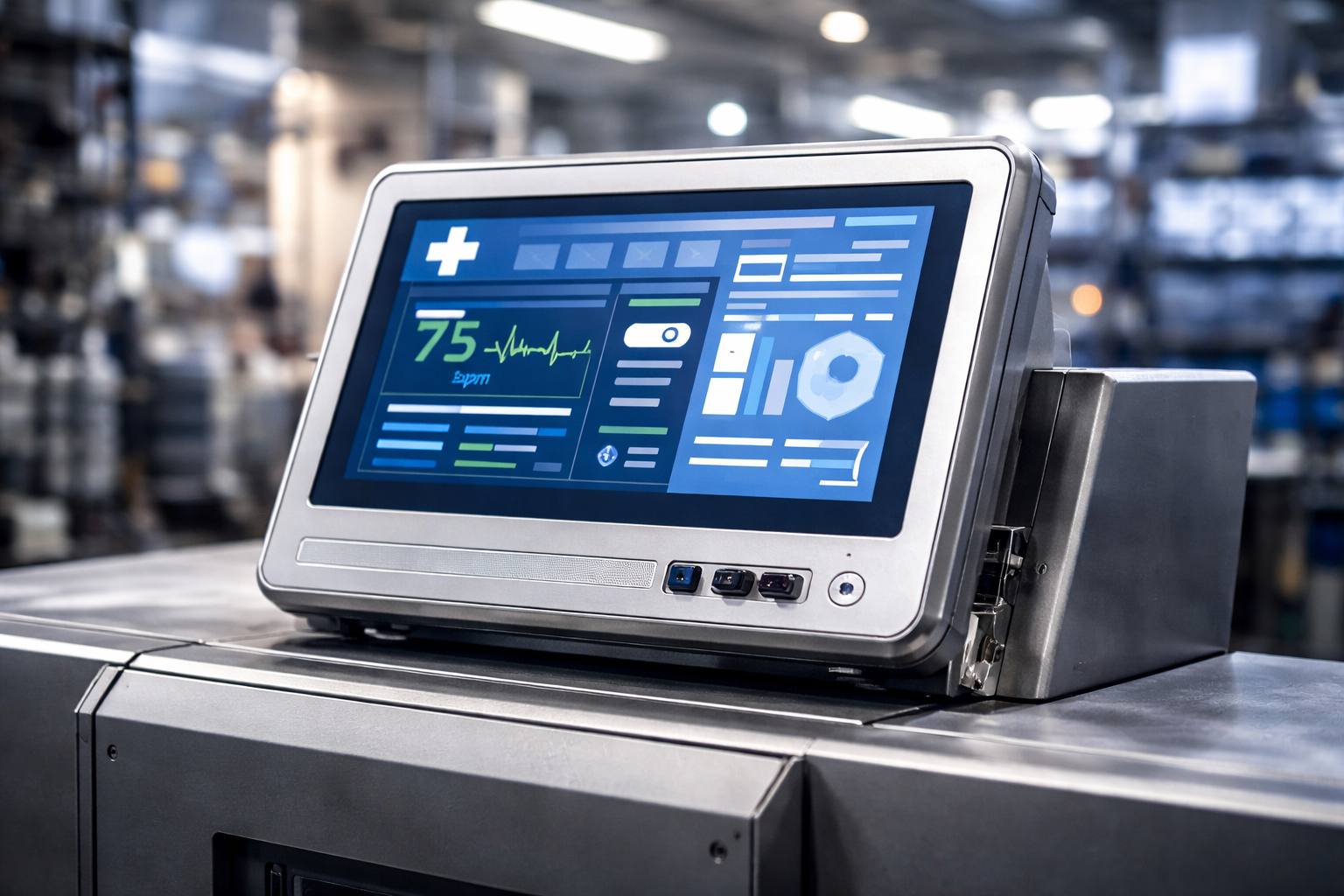
An industrial panel PC is an all-in-one computing device that integrates a display, touchscreen, and industrial-grade computer into a single enclosure.
These systems are widely used in factories, machinery control panels, kiosks, and industrial terminals.

Compared to standard PCs, industrial panel PCs offer:

  • Enhanced durability
  • Fanless or low-maintenance designs
  • Extended temperature operation
  • Long product lifecycle support

Why Choosing the Right Industrial Panel PC Matters

Selecting the wrong panel PC can lead to:

  • Unexpected downtime
  • Compatibility issues with industrial equipment
  • Increased maintenance costs
  • Shortened product lifecycle

A well-chosen industrial panel PC improves operational efficiency, reduces risk, and supports long-term system stability.


Key Factors to Consider When Choosing an Industrial Panel PC

Performance Requirements

Start by evaluating the processing power your application requires.
Industrial panel PCs are available with various CPU options, ranging from low-power processors for simple HMI tasks to higher-performance CPUs for data processing and visualization.

Consider:

  • Application complexity
  • Operating system requirements
  • Software compatibility

Avoid over-specifying hardware, as it can increase cost without real benefit.


Environmental Conditions

Industrial environments can be challenging. Your panel PC must be designed to withstand:

  • High or low temperatures
  • Dust and moisture
  • Vibration and shock

Look for features such as:

  • Fanless cooling designs
  • Sealed front panels
  • Industrial-grade components

Display and Touchscreen Selection

The display is the primary interface between operators and machines. Key aspects include:

  • Screen size and resolution
  • Touch technology (projected capacitive or resistive)
  • Gloved or wet touch support
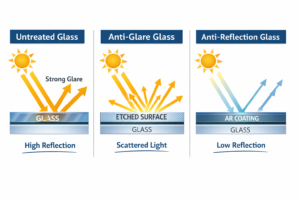
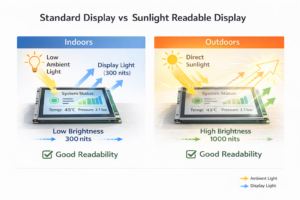
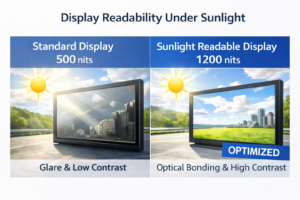
  • Readability under ambient lighting

Choosing the right touchscreen improves usability and reduces operator errors.


Mounting and Installation Options

Industrial panel PCs must integrate smoothly into existing systems.
Common mounting options include:

  • Panel mount
  • VESA mount
  • Open frame integration

Ensure the selected model matches your enclosure design and installation constraints.


Connectivity and Expansion

Industrial applications often require multiple interfaces.
Check for support of:

  • Serial ports (RS232 / RS485)
  • USB and Ethernet
  • GPIO or fieldbus interfaces

Adequate connectivity ensures compatibility with sensors, controllers, and industrial networks.


Long-Term Availability and Support

Unlike consumer products, industrial systems are expected to remain in service for many years.
Choose a supplier that offers:

  • Long-term component availability
  • Stable hardware platforms
  • Consistent documentation and support

This reduces redesign risk and protects your investment.


Fanless vs. Active Cooling Panel PCs

Fanless industrial panel PCs are often preferred due to:

  • Reduced maintenance
  • Improved reliability
  • Silent operation

However, high-performance applications may require active cooling.
The choice depends on the balance between performance needs and environmental conditions.


Common Industrial Applications for Panel PCs

Industrial panel PCs are widely used in:

  • Manufacturing automation
  • Machine control systems
  • Industrial kiosks and terminals
  • Energy and utility monitoring
  • Transportation and logistics

Each application has unique requirements, making careful evaluation essential.


How to Choose the Best Panel PC for Your Business

To select the best industrial panel PC:

  1. Define your application requirements
  2. Evaluate environmental and installation conditions
  3. Choose appropriate performance and display specifications
  4. Ensure long-term availability and technical support

A structured approach helps avoid costly mistakes and ensures reliable operation.


최종 생각

Choosing the best industrial panel PC is not about selecting the most powerful system—it is about selecting the right system for your specific application.
By focusing on reliability, compatibility, and long-term support, businesses can build industrial systems that operate efficiently and consistently over time.


Need Help Selecting the Right Industrial Panel PC?

If you are planning an industrial project and need guidance on panel PC selection, working with an experienced manufacturer can simplify the process.

관련 게시물

연락처

엔지니어링 검토를 받을 준비가 되셨나요?

애플리케이션 및 주요 요구 사항 공유 터치 모니터 또는 패널 PC. 엔지니어가 타당성과 위험성을 검토하고 올바른 구성 방향을 추천해 드립니다.

OEM/ODM 및 통합 프로젝트에 가장 적합합니다. 일반적으로 영업일 기준 1일(GMT+8) 이내에 응답합니다.
RFQ에는 크기/밝기, 인터페이스 목록, 장착, 작동 온도, 목표 배송 날짜(긴급한 경우)를 포함해 주세요.