OEM 장비를 위한 산업용 디스플레이 공급업체 구매자 가이드

소개 인간-기계 인터페이스(HMI)는 이제 최신 산업 장비의 표준 구성 요소입니다. 디스플레이를 통해 작업자는 다음을 수행할 수 있습니다. ...
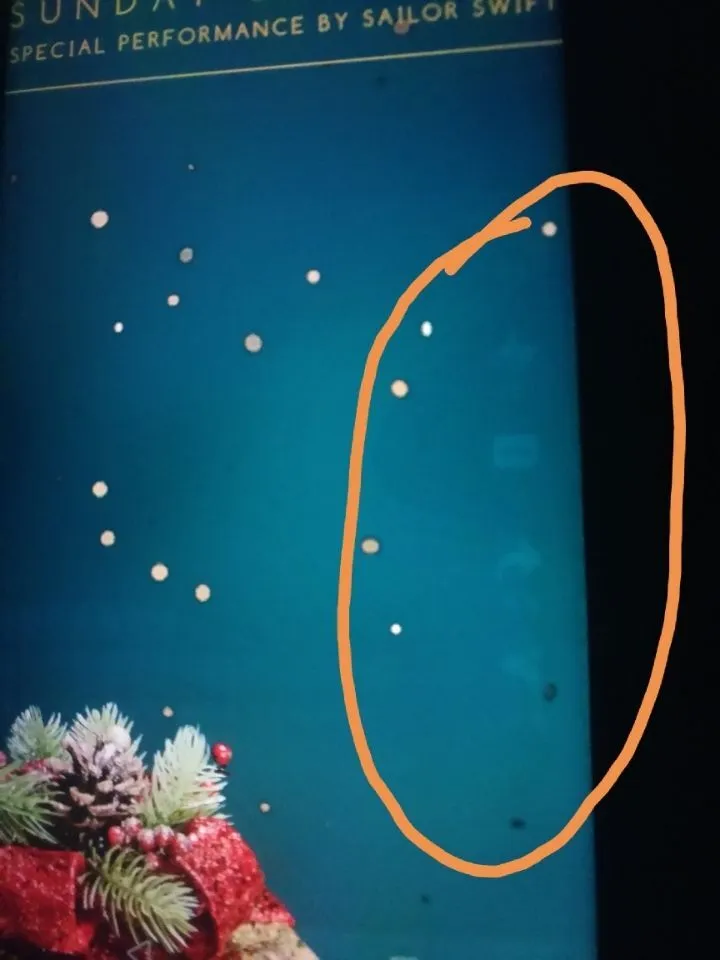
이미지 보존, 일반적으로 고스팅, 는 이미지가 변경된 후에도 이전에 표시된 콘텐츠의 희미한 흔적이 남아 있는 상태를 설명합니다.
In 산업용 TFT LCD 애플리케이션, 고스팅은 일반적으로 제품 결함이 아닌 경우, 로 인해 발생하는 디스플레이 동작이지만 패널 특성, 구동 방식, 작동 환경 및 애플리케이션 사용 패턴의 복합적인 효과.
장기 또는 미션 크리티컬 배포에 대한 디스플레이 적합성을 평가할 때는 이러한 차이점을 이해하는 것이 중요합니다.
엔지니어링 관점에서, 이미지 보존 TFT LCD에서 관찰되는 결함은 다양한 메커니즘에서 발생할 수 있습니다. 유형을 파악하면 선택 또는 통합 결정을 통해 위험을 줄일 수 있는지 여부를 결정하는 데 도움이 됩니다.
임시 이미지 보존
운전 또는 편견 관련 유지율
장기 성능 저하 관련 보존
모든 기여 요인을 동일하게 제어할 수 있는 것은 아닙니다. 시스템 설계 관점에서 다음을 구분하는 것이 중요합니다. 설계 제어 가능한 매개변수 그리고 애플리케이션 중심 제약 조건.
| 팩터 | 엔지니어링 제어 | 참고 |
|---|---|---|
| LCD 응답 시간 | 높음 | 패널 선택 시 평가 |
| 드라이버 보드 매칭 | 높음 | 전기적 호환성이 중요합니다. |
| 정적 UI 비율 | Medium | 애플리케이션 설계와 밀접한 관련이 있습니다. |
| 작동 온도 | Medium | 시스템 수준 열 관리 |
| 패널 노후화 | 낮음 | 고유한 수명 주기 동작 |
고스팅 위험은 단일 매개 변수에 기인하는 경우는 드물며, 일반적으로 다음과 같은 원인으로 인해 발생합니다. 여러 한계 조건이 함께 쌓이는 경우.
고스팅 가능성은 현장에서 디스플레이를 사용하는 방식에 따라 크게 달라집니다.
애플리케이션이 이 스펙트럼 내에서 어디에 속하는지 이해하는 것이 패널 사양에만 집중하는 것보다 더 중요한 경우가 많습니다.
배포 후 완화 조치에 의존하기보다는 고스팅 위험을 평가해야 합니다. 선택 및 통합 단계에서.
주요 고려 사항은 다음과 같습니다:
모든 조건에서 이미지 유지율 제로를 보장할 수 있는 TFT LCD는 없습니다. 위험 관리, 절대적인 제거가 아닙니다.
산업 프로젝트에서 이미지 보존은 다음과 같은 경우에 가장 자주 관찰됩니다. 애플리케이션 동작, 전기 구동 및 열 조건은 시스템으로 평가되지 않고 독립적으로 평가됩니다..
디스플레이 선택 및 통합 검토 시에는 일반적으로 이러한 요소를 함께 평가하여 장기적인 적합성과 운영 위험을 결정하는데, 특히 연중무휴 24시간 운영되는 HMI, 키오스크 및 무인 시스템의 경우 더욱 그렇습니다.
애플리케이션에 기술 검토가 필요한 경우 기술 검토를 받는 것이 좋습니다:
애플리케이션이 장기 정적 디스플레이 작동에 적합한지 확실하지 않으신가요?
운영 조건, UI 동작, 환경 세부 정보를 엔지니어링 팀과 공유하여 타당성 및 위험성을 검토하세요.
이 콘텐츠는 디스플레이 동작 평가를 위한 엔지니어링 참조용으로 작성되었으며 전체 시스템 설계의 맥락에서 고려해야 합니다.
소개 인간-기계 인터페이스(HMI)는 이제 최신 산업 장비의 표준 구성 요소입니다. 디스플레이를 통해 작업자는 다음을 수행할 수 있습니다. ...
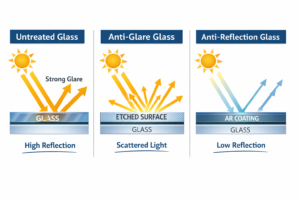
소개 산업용 디스플레이는 조명 조건을 제어하기 어려운 환경에 자주 배치됩니다. 장비 ...
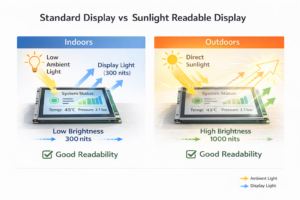
소개 디스플레이는 다양한 유형의 산업 장비에서 중요한 인터페이스 구성 요소입니다. 디스플레이는 시스템 ...
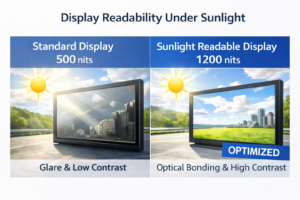
소개 디스플레이 가시성은 산업 장비에서 중요한 설계 매개변수입니다. 작업자는 그래픽 인터페이스에 의존합니다. ...
신청 세부 정보를 보내주세요. 구성 방향과 다음 단계로 답변해 드립니다.