دليل مشتري موردي شاشات العرض الصناعية لمعدات تصنيع المعدات الأصلية

مقدمة أصبحت الواجهات بين الإنسان والآلة (HMIs) الآن مكونات قياسية في المعدات الصناعية الحديثة. تتيح شاشات العرض للمشغلين ...
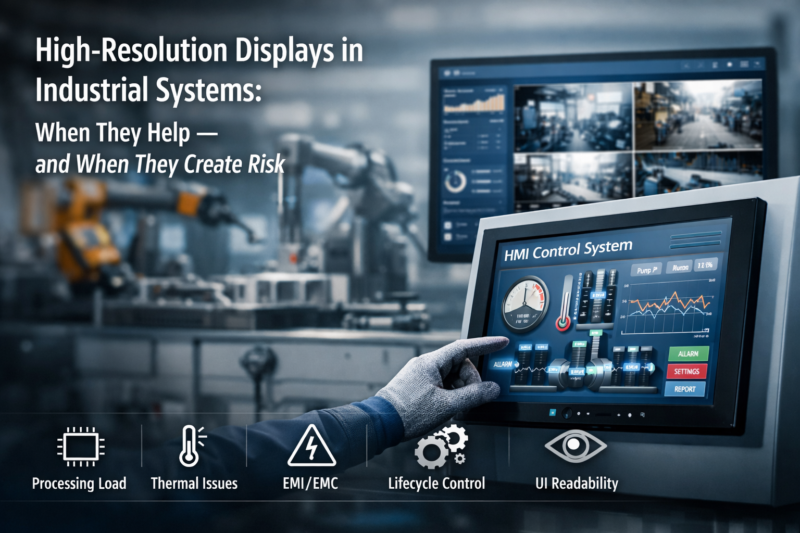
يتم تحديد شاشات العرض الصناعية عالية الدقة بشكل متزايد في المعدات الصناعية الحديثة. نظرًا لتطور برمجيات الواجهة بين الإنسان والآلة (HMI) نحو واجهات رسومية أكثر ثراءً ولوحات تحكم متعددة النوافذ وأدوات تصور البيانات، غالبًا ما تطلب الفرق الهندسية شاشات عرض ذات كثافة بكسلات أعلى.
للوهلة الأولى، يبدو للوهلة الأولى أن زيادة دقة العرض تمثل تحسينًا مباشرًا. يسمح عدد وحدات البكسل الأعلى بعرض المزيد من المعلومات الرسومية في وقت واحد، مما قد يحسن من وعي المشغل وقدرته على المراقبة.
في الأنظمة الصناعية، ومع ذلك, دقة العرض ليست مجرد مواصفات مرئية. يؤثر على عدة جوانب من بنية النظام، بما في ذلك:
كثيرًا ما تعمل المعدات الصناعية بشكل مستمر لسنوات عديدة، وغالبًا ما تكون في بيئات تنطوي على الاهتزازات وتغير درجات الحرارة والتداخل الكهرومغناطيسي.
بالنسبة لمصنعي المعدات الأصلية وشركات تكامل الأنظمة، يجب تقييم دقة العرض كجزء من البنية الشاملة للنظام, بدلاً من التعامل معها كمعلمة عرض معزولة.
تشير شاشة العرض الصناعية عالية الدقة إلى شاشة HMI أو شاشة صناعية ذات كثافة بكسل أعلى بكثير من معايير العرض الصناعية التقليدية.
من الناحية التاريخية، استخدمت العديد من واجهات إدارة HMI الصناعية دقة معتدلة مثل:
كانت هذه الدقة كافية لواجهات الماكينة التي تعرض الإنذارات وحالات الماكينة وعناصر التحكم البسيطة.
تعتمد الأنظمة الصناعية الحديثة بشكل متزايد دقة أعلى، بما في ذلك:
يتم دمج هذه الشاشات عادةً في:
في العديد من المشاريع، تنشأ متطلبات الدقة من برمجيات HMI المطورة أصلاً لبيئات سطح المكتب. تفترض أطر عمل هذه البرمجيات مساحات عمل رسومية أكبر وكثافة بكسلات أعلى من شاشات العرض الصناعية القديمة.
ومع ذلك، فإن منصات الحوسبة المدمجة المستخدمة في المعدات الصناعية - غالبًا معالجات ARM أو أنظمة x86 منخفضة الطاقة - لا تتوسع دائمًا بكفاءة مع زيادة دقة العرض.
تحدد العديد من الأنظمة الفرعية للأجهزة ما إذا كان بإمكان النظام دعم دقة عرض أعلى بشكل فعال.
تستخدم شاشات العرض الصناعية الحديثة عادةً واجهات عالية السرعة مثل:
تزيد الدقة الأعلى من إنتاجية البكسل المطلوبة.
| القرار | بكسل لكل إطار | حمل البكسل النسبي |
|---|---|---|
| 1024×768 | ~حوالي 0.79 ميغابكسل | خط الأساس |
| 1280×800 | ~حوالي 1.02 ميغابكسل | ~1.3× |
| 1920×1080 | ~حوالي 2.07 ميغابكسل | ~2.6× |
لذلك تتطلب شاشة عالية الدقة كاملة الوضوح (Full HD) أكثر من ضعف معالجة البكسل لشاشة XGA التقليدية.
بمعدل تحديث 60 هرتز، فإن تتطلب الواجهة 1920×1080 عادةً ساعة بكسل حوالي 148.5 ميجاهرتز. اعتمادًا على عمق الألوان والترميز، قد يصل معدل البيانات الفعال إلى عدة جيجابت في الثانية.
مع زيادة عرض النطاق الترددي، تصبح واجهة العرض أكثر حساسية:
هذه العوامل مهمة بشكل خاص في المعدات الصناعية التي تحتوي على محركات أو محركات أو مسارات كبلات داخلية طويلة.
تزيد دقة العرض الأعلى من عبء عمل الرسومات بشكل كبير.
يجب أن يتعامل خط أنابيب الرسومات مع:
على سبيل المثال تتطلب الشاشة بدقة 1920 × 1080 باستخدام مخزن إطارات مؤقت 32 بت تقريبًا:
1920 × 1080 × 4 بايت × 1080 × 4 بايت ≈ 8 ميغابايت لكل إطار
مع التخزين المؤقت المزدوج وطبقات الرسومات الإضافية، قد يصل استهلاك الذاكرة إلى 16-32 ميغابايت من مساحة المخزن المؤقت للإطار النشط.
في العديد من الأنظمة المدمجة، لا يقتصر أداء الشاشة على اللوحة نفسها بل على قدرة وحدة معالجة الرسومات وعرض النطاق الترددي للذاكرة.
إذا اقترب خط أنابيب الرسومات من حدوده القصوى، فقد يلاحظ المشغلون:
لذلك فإن الحفاظ على هامش معالجة كافٍ أمر مهم للأنظمة التي تعمل بشكل مستمر.
غالبًا ما ترتبط الشاشات ذات الدقة العالية بـ
تزيد هذه العوامل من إجمالي استهلاك الطاقة.
في المعدات الصناعية غير المزودة بمروحة أو المغلقة بإحكام، يساهم تبديد الطاقة الإضافي بشكل مباشر في توليد الحرارة الداخلية. حتى الزيادات الطفيفة في خرج الحرارة يمكن أن تؤثر على درجات حرارة الضميمة الداخلية.
لذلك يجب التحقق من هوامش التصميم الحراري عند ترقية دقة العرض.
يجب دائمًا تقييم دقة العرض مع حجم الشاشة ومسافة المشاهدة.
يؤدي ارتفاع عدد البكسلات على شاشة صغيرة إلى زيادة كثافة البكسل، ولكن هذا لا يحسن دائمًا من قابلية الاستخدام للمشغلين الذين يقفون على بعد عدة أقدام من الجهاز.
في العديد من البيئات الصناعية، تتأثر سهولة الاستخدام بقوة أكبر بـ
بدلاً من كثافة البكسل وحدها.
بالنسبة لواجهات HMI للمصانع التي يتم عرضها من مسافات قريبة من متر واحد أو أكثر, فإن عناصر واجهة المستخدم الأكبر حجمًا والتسلسل الهرمي الرسومي الواضح غالبًا ما يحسن قابلية الاستخدام أكثر من زيادة كثافة البكسل.
تزيد الدقة الأعلى من كل من عبء عمل وحدة معالجة الرسومات و حركة مرور الذاكرة.
قد تعاني المعالجات المدمجة منخفضة الطاقة عند تشغيل شاشات العرض عالية الدقة مع تشغيل برامج التحكم المسؤولة عن
في الممارسة العملية، غالبًا ما تكون مشكلات أداء العرض في واجهات الإدارة العليا الصناعية ناتجة عن قيود النطاق الترددي للذاكرة بدلاً من سرعة وحدة المعالجة المركزية.
يساعد الحفاظ على هامش معالجة رسومات كافٍ في ضمان استجابة مستقرة للواجهة في ظل أعباء العمل القصوى.
تعتمد العديد من المنصات الصناعية على استراتيجيات التبريد السلبي، بما في ذلك:
توفر هذه التصاميم مساحة رأس حرارية محدودة.
تزيد الدقة العالية من توليد الحرارة بشكل غير مباشر من خلال:
على مدى فترات التشغيل الطويلة، يؤدي ارتفاع درجة الحرارة الداخلية إلى تسريع تقادم المكونات. وبالتالي فإن هوامش التصميم الحراري المتحفظة تحسن الموثوقية على المدى الطويل.
تعمل واجهات العرض عالية الدقة بمعدلات بيانات في نطاق متعدد الجيجابت.
قد تطرح البيئات الصناعية تحديات إضافية مثل:
يقلل عرض النطاق الترددي الأعلى من تحمل تدهور الإشارة.
أثناء اختبار EMC، يمكن أن تصبح واجهات العرض عالية السرعة في بعض الأحيان مصادر الانبعاثات المشعة أو عدم استقرار الإشارة, مما يتطلب توجيه الكابل بعناية وتدريعه.
عادةً ما تتطلب معدات تصنيع المعدات الأصلية الصناعية توافر المكونات لسنوات عديدة.
قد يكون للوحات العرض المطورة لأسواق الإلكترونيات الاستهلاكية دورات حياة أقصر للمنتج.
تشمل المخاطر المحتملة ما يلي:
عند اختيار دقة العرض، يجب على مصنعي المعدات الأصلية أيضًا تقييم ما يلي استقرار دورة حياة اللوحة وخارطة طريق الموردين.
غالباً ما تعرض أنظمة الرؤية الآلية:
تحافظ الدقة العالية على تفاصيل الصورة وتحسن رؤية ميزات الفحص.
غالبًا ما تعرض غرف التحكم ومحطات المراقبة مصادر معلومات متعددة في وقت واحد، بما في ذلك:
تسمح الشاشات الصناعية عالية الدقة للمشغلين بمراقبة نوافذ بيانات متعددة دون التبديل المتكرر للواجهة.
تتطلب بعض الآلات الصناعية المعقدة واجهات رسومية مفصلة، بما في ذلك:
تستفيد هذه التطبيقات من زيادة مساحة عمل الشاشة للمخططات وأدوات التكوين ولوحات التصور.
تشتمل أنظمة البنية التحتية العامة في بعض الأحيان على شاشات عرض الخدمة أو التشخيص، مثل:
في هذه البيئات، يمكن أن تؤدي الدقة العالية إلى تحسين كثافة المعلومات ووضوح العرض.
تكون الدقة الأعلى مناسبة بشكل عام في الحالات التالية:
في ظل هذه الظروف، يمكن أن تؤدي الدقة الأعلى إلى تحسين التصور ودعم واجهات المستخدم الأكثر تعقيدًا.
قد تؤدي الدقة الأعلى إلى تعقيدات غير ضرورية في النظام عندما:
في العديد من الأنظمة الصناعية, دقة معتدلة مقترنة بتخطيطات واجهة إدارة الأداء (HMI) المصممة بشكل جيد توفر أداءً أكثر استقراراً على المدى الطويل.
في تصميم المعدات الصناعية، ينبغي التعامل مع دقة العرض على أنها معلمة هندسية على مستوى النظام, وليس مجرد ترقية بصرية.
تؤثر زيادة كثافة البكسلات على:
بالنسبة للعديد من المنصات الصناعية، توفر الدقة المعتدلة مع تخطيطات واجهة إدارة واجهة المستخدم HMI المصممة بشكل جيد حلاً مستقرًا وقابلًا للصيانة.
تصبح الدقة العالية مفيدة عندما تدعم بشكل مباشر المتطلبات التشغيلية - مثل التصور البصري للآلة أو المراقبة متعددة النوافذ - وعندما توفر بنية النظام هامش معالجة وهامش حراري كافٍ.
يساعد تقييم دقة العرض في مرحلة مبكرة من تصميم النظام على تجنب تحديات التكامل ودعم موثوقية المعدات على المدى الطويل.
ليس بالضرورة. تعرض العديد من واجهات الآلة معلومات بسيطة نسبيًا حيث تعرض واجهات الآلة معلومات بسيطة نسبيًا حيث 1024×768×768 أو 1280×800 توفير قابلية استخدام كافية.
عادةً ما تستخدم العديد من واجهات الإدارة العليا الصناعية 1024×768 (XGA) أو 1280×800 (wxga) لأن هذه الدقة توازن بين سهولة القراءة ومتطلبات المعالجة وتوافر اللوحة.
تؤدي الدقة الأعلى إلى زيادة عدد وحدات البكسل التي تتم معالجتها في كل إطار، مما يزيد من عبء عمل وحدة معالجة الرسومات، وحجم المخزن المؤقت للإطار، ومتطلبات عرض النطاق الترددي للذاكرة.
نعم. غالبًا ما تزيد الدقة العالية من نشاط وحدة معالجة الرسومات، واستخدام النطاق الترددي للذاكرة، وطاقة الإضاءة الخلفية للشاشة, والتي يمكن أن تؤثر على الأداء الحراري في الأنظمة الصناعية بدون مروحة.
من المحتمل. قد تؤدي واجهات العرض عالية السرعة التي تعمل بمعدلات بيانات أعلى إلى زيادة الحساسية لمشاكل سلامة الإشارة والانبعاثات الكهرومغناطيسية.
مقدمة أصبحت الواجهات بين الإنسان والآلة (HMIs) الآن مكونات قياسية في المعدات الصناعية الحديثة. تتيح شاشات العرض للمشغلين ...
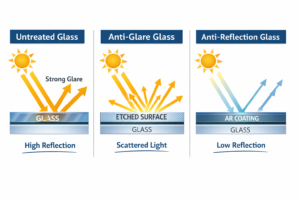
مقدمة كثيرًا ما يتم نشر شاشات العرض الصناعية في البيئات التي يصعب فيها التحكم في ظروف الإضاءة. المعدات ...
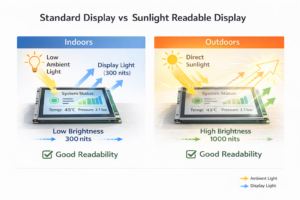
مقدمة تُعد شاشات العرض مكونًا هامًا للواجهة في العديد من أنواع المعدات الصناعية. فهي توفر النظام ...
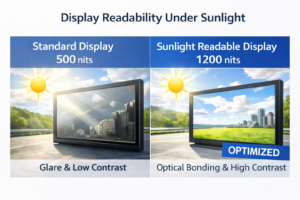
مقدمة تعتبر رؤية الشاشة معلمة تصميم بالغة الأهمية في المعدات الصناعية. يعتمد المشغلون على الواجهات الرسومية ...
أرسل تفاصيل طلبك. نرد عليك بتوجيهات التكوين والخطوات التالية.