الكمبيوتر الشخصي اللوحي مقابل الكمبيوتر الصناعي: الاختلافات في البنية والتكامل
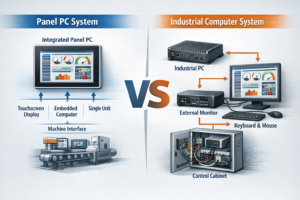
مقدمة في تصميم النظام الصناعي، يؤثر اختيار بنية الحوسبة المناسبة تأثيراً مباشراً على موثوقية النظام وتعقيد التكامل, ...
A شاشة مخصصة قابلة للقراءة تحت أشعة الشمس مصممة لتلبية متطلبات محددة في الهواء الطلق أو الإضاءة المحيطة العالية التي لا تستطيع شاشات العرض القياسية الجاهزة التعامل معها بشكل كامل.
في عام 2026، يتضمن التخصيص عادةً أكثر من مجرد زيادة السطوع. فهو يتطلب الهندسة على مستوى النظام, ، بما في ذلك الترابط البصري، والمعالجات السطحية، والتصميم الميكانيكي المتين، وحماية البيئة، وتخطيط الموثوقية على المدى الطويل.
يشرح هذا الدليل كيفية تخصيص شاشة قابلة للقراءة تحت أشعة الشمس خطوة بخطوة, مساعدة مصنعي المعدات الأصلية وفرق المشروع على تحديد المتطلبات بوضوح وتجنب أخطاء التصميم المكلفة.
قد تعمل الشاشات الخارجية القياسية للتركيبات الأساسية، ولكن يصبح التخصيص ضرورياً عندما يتضمن مشروعك
تشمل المشاريع النموذجية التي تتطلب حلولاً مخصصة ما يلي أكشاك خارجية، وشواحن السيارات الكهربائية، وواجهات التحكم الآلي عالية الأداء الصناعية، وأنظمة النقل، والمعدات البحرية، والآلات الزراعية، والبنية التحتية للطاقة.
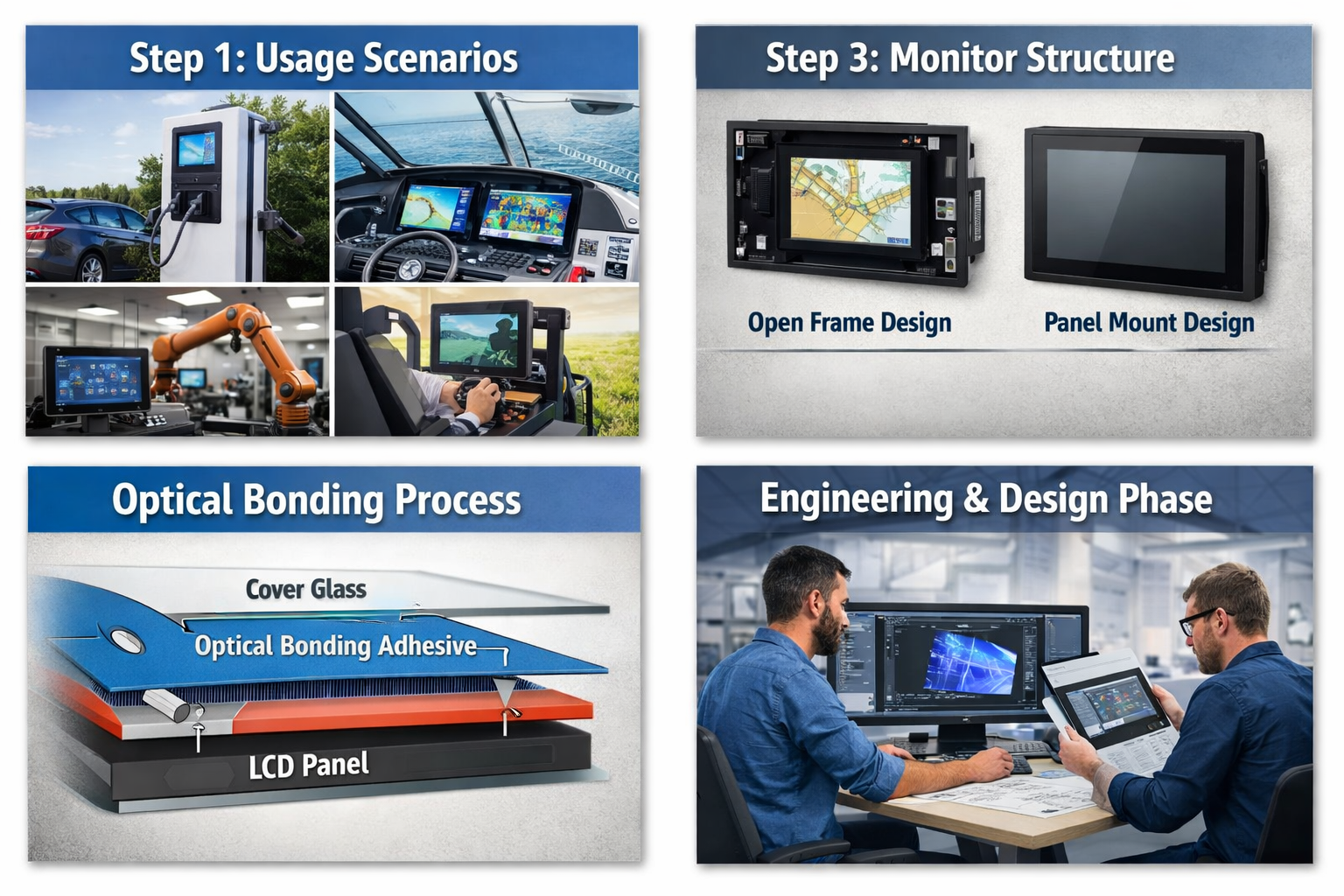
يبدأ التخصيص يبدأ بالفهم أين وكيف سيتم استخدام الشاشة. تؤثر هذه الخطوة على كل قرار فني يتبعها.
تتضمن الأسئلة الرئيسية ما يلي:
على سبيل المثال، يتطلب شاحن السيارات الكهربائية على جانب الطريق أولويات تصميم مختلفة تمامًا عن وحدة التحكم في الملاحة البحرية أو واجهة إدارة HMI لساحة المصنع.
يحدد الهيكل الميكانيكي كلاً من المتانة والتوافق مع التكامل.
تشمل خيارات التصميم الشائعة ما يلي:
اعتبارات مهمة:
لا يزال من الممكن أن تفشل الشاشة المعززة إذا تم تجاهل تصميم التركيب.
هذا هو جوهر سهولة قراءة ضوء الشمس.
السطوع وحده لا يكفي. فالتصميم البصري يلعب دوراً لا يقل أهمية.
يعمل الربط البصري على إزالة الفجوة الهوائية بين شاشة LCD وزجاج الغطاء، مما يوفر:
في عام 2026، يعتبر الترابط البصري معيار للمشاريع الخارجية الجادة.
يجب أن يتطابق أداء اللمس مع كل من الظروف البيئية وسلوك المستخدم.
تشمل الخيارات الشائعة ما يلي:
تتضمن خيارات الواجهة عادةً ما يلي USB، أو RS232، أو I²C, ، اعتمادًا على بنية النظام وتوافق وحدة التحكم.
يجب تصميم سهولة القراءة في الهواء الطلق والمتانة معاً.
المعلمات الرئيسية التي يجب تحديدها:
غالبًا ما يؤدي تجاهل العوامل البيئية إلى فشل سابق لأوانه - حتى لو بدت مواصفات السطوع كافية على الورق.
قبل الإنتاج بكميات كبيرة، يجب أن تخضع الشاشات المخصصة لفحص عملية تحقق منظمة:
تضمن هذه المرحلة أداء التصميم كما هو متوقع قبل التوسع.
إن التخصيص ليس مجرد قرار تقني - بل هو قرار دورة الحياة.
تشمل العوامل الرئيسية ما يلي:
وغالبًا ما يقلل التخصيص المخطط له جيدًا من التكاليف طويلة الأجل من خلال تقليل الأعطال الميدانية وإعادة التصميم.
توفر إيجل تاتش التخصيص الذي تقوده الهندسة للشاشات القابلة للقراءة تحت أشعة الشمس وأنظمة اللمس الصناعية، بما في ذلك
لتبسيط عملية بدء المشروعات، نوفر نموذج جمع متطلبات العميل التي تساعد على التقاط جميع التفاصيل الفنية المهمة في وقت مبكر - مما يقلل من المخاطر ووقت التطوير.
يعد تخصيص الشاشة القابلة للقراءة تحت أشعة الشمس من العملية الهندسية على مستوى النظام, وليس مجرد ترقية سطوع بسيط.
من خلال التحديد الواضح لسيناريوهات الاستخدام والمتطلبات البصرية والتكامل الميكانيكي والمتانة البيئية وأهداف دورة الحياة، يمكن لمصنعي المعدات الأصلية وفرق المشروع بناء أنظمة عرض خارجية تظل قابلة للقراءة والموثوقية والصيانة في الظروف الواقعية.
في عام 2026، يتم بناء مشاريع خارجية ناجحة في الهواء الطلق مع البيئة - وليس ضدها.
مقدمة في تصميم النظام الصناعي، يؤثر اختيار بنية الحوسبة المناسبة تأثيراً مباشراً على موثوقية النظام وتعقيد التكامل, ...

مقدمة في المعدات الصناعية، يعد النظام الفرعي للعرض جزءًا من واجهة التفاعل بين الإنسان والآلة (HMI) الأوسع نطاقًا و ...

مقدمة في تصميم المعدات الصناعية، تؤثر الواجهة البينية بين الإنسان والآلة (HMI) بشكل مباشر على قابلية استخدام النظام وموثوقيته وصيانته ...

مقدمة أصبحت الواجهات بين الإنسان والآلة (HMIs) الآن مكونات قياسية في المعدات الصناعية الحديثة. تتيح شاشات العرض للمشغلين ...
أرسل تفاصيل طلبك. نرد عليك بتوجيهات التكوين والخطوات التالية.