دليل مشتري موردي شاشات العرض الصناعية لمعدات تصنيع المعدات الأصلية

مقدمة أصبحت الواجهات بين الإنسان والآلة (HMIs) الآن مكونات قياسية في المعدات الصناعية الحديثة. تتيح شاشات العرض للمشغلين ...
تظل شاشات اللمس المقاومة إحدى تقنيات اللمس الأكثر موثوقية واستخداماً على نطاق واسع في التطبيقات الصناعية والمهنية.
على عكس شاشات اللمس السعوية الموجهة للمستهلكين، فإن شاشات اللمس المقاومة تعمل بالضغط وتعمل بالأصابع أو القفازات أو أقلام القلم أو أي جسم صلب.
وبسبب ثباتها وقدرتها على التنبؤ ومقاومتها للبيئة، لا تزال شاشات اللمس المقاومة حلاً مفضلاً لأنظمة التحكم الصناعية والمعدات الطبية ومشاريع تصنيع المعدات الأصلية التي تتطلب توافرها على المدى الطويل.
يشرح هذا الدليل:
A شاشة لمس مقاومة هو جهاز إدخال حساس للضغط يتكون من طبقتين موصلتين شفافتين تفصل بينهما فجوة رقيقة. عند الضغط، تتلامس الطبقتان وتكتشف وحدة التحكم موقع اللمس.
تشمل الخصائص الرئيسية ما يلي:
وهذا يجعل تقنية المقاومة مناسبة بشكل خاص لـ التطبيقات الصناعية والطبية والخارجية.
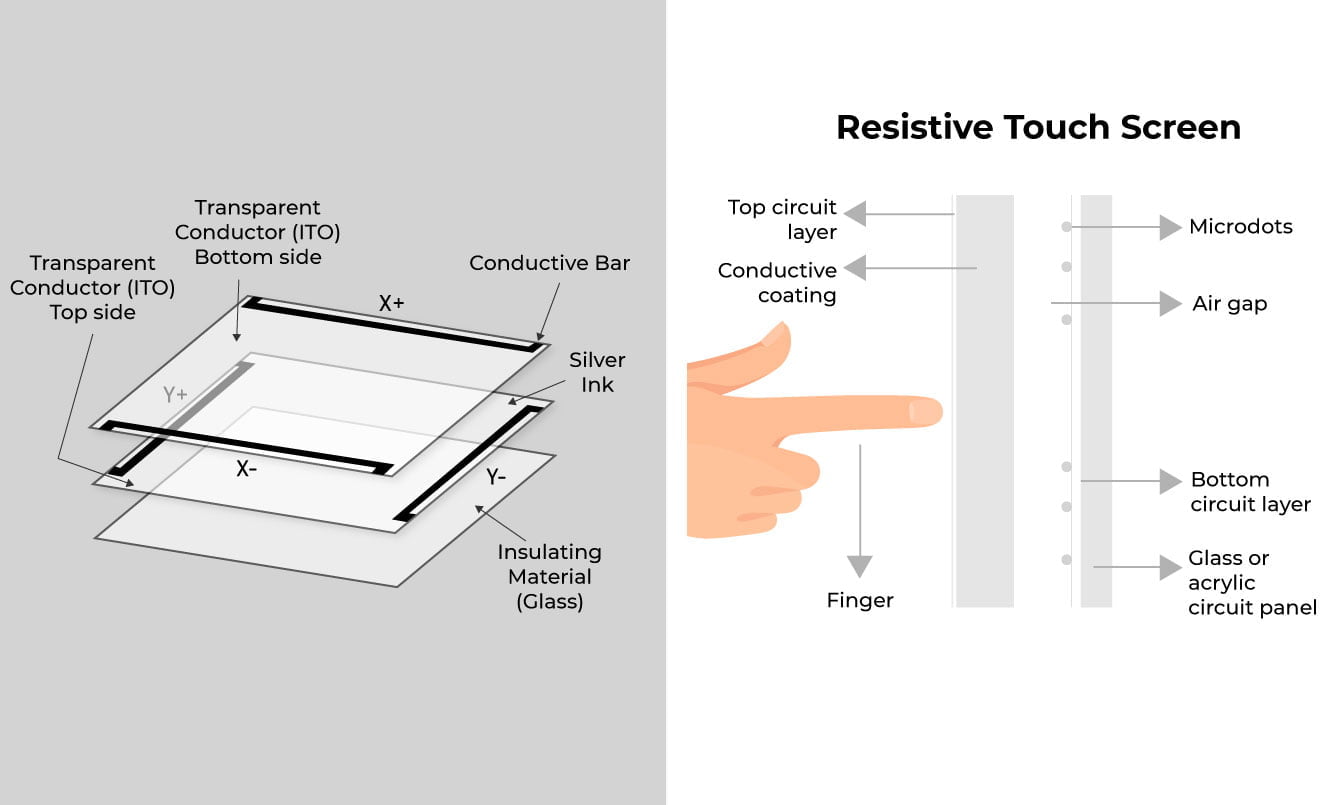
عند الضغط على الشاشة:
نظرًا لأن النظام يعتمد على الضغط الفيزيائي بدلاً من التوصيل الكهربائي، فإن شاشات اللمس المقاومة تعمل بشكل موثوق في البيئات المتربة أو الرطبة أو التي بها ضوضاء كهربائية.
للتطبيقات التي تتطلب عمر تشغيلي طويل وأداء مستقر, ، يوصى عمومًا باستخدام تقنية 5 أسلاك مقاومة بشكل عام.
| الميزة | شاشة لمس مقاومة | شاشة لمس سعوية |
|---|---|---|
| طريقة الإدخال | قائم على الضغط | قائم على التوصيلية |
| تشغيل القفازات | ✅ نعم | ❌ محدودة |
| دعم القلم | ✅ نعم | ❌ محدودة |
| مقاومة الماء | ✅ مرتفع | ⚠️ معتدل |
| متعدد اللمس | ❌ لا | ✅ نعم |
| الاستقرار الصناعي | ✅ ممتاز | ⚠️ متوسط |
| مراقبة التكاليف | ✅ أسهل | ❌ أعلى |
الشاشات التي تعمل باللمس المقاومة تعتمد على التطبيق, بينما شاشات اللمس السعوية أكثر شيوعًا في الأجهزة الاستهلاكية.
توفر شاشات اللمس المقاومة العديد من المزايا للاستخدام الصناعي والمهني:
تجعل هذه المزايا تقنية المقاومة مثالية لـ واجهات المهام الحرجة.
على الرغم من أن الشاشات التي تعمل باللمس المقاوم يمكن الاعتماد عليها بشكل كبير، إلا أن لها قيوداً:
بالنسبة للتطبيقات التي تتطلب إيماءات اللمس المتعدد أو الوضوح البصري العالي، قد تكون التقنية السعوية أكثر ملاءمة.
تُستخدم شاشات اللمس المقاومة بشكل شائع في:
تعطي هذه البيئات الأولوية ل الموثوقية والقدرة على التنبؤ والمتانة على التفاعل على غرار المستهلك.
غالباً ما تتطلب مشاريع تصنيع المعدات الأصلية والصناعية:
تلبي شاشات اللمس المقاومة هذه المتطلبات من خلال تقديم التوافر طويل الأجل والأداء المتسق, وهو أمر بالغ الأهمية للبرامج الصناعية.
لمسة النسر يوفر حلول شاشات اللمس المقاومة المخصصة مصممة للتطبيقات الصناعية وتطبيقات تصنيع المعدات الأصلية، بما في ذلك:
يضمن نهجنا القائم على الهندسة أن كل حل من حلولنا يتماشى بدقة مع متطلبات تطبيقك.
غالباً ما تكون شاشة اللمس المقاومة هي الخيار الأفضل إذا كان مشروعك يتطلب ذلك:
إذا كنت تقوم بتقييم تقنية اللمس للتطبيقات الصناعية أو تطبيقات مصنعي المعدات الأصلية، فقد توفر شاشة اللمس المقاومة الحل الأكثر موثوقية.
مقدمة أصبحت الواجهات بين الإنسان والآلة (HMIs) الآن مكونات قياسية في المعدات الصناعية الحديثة. تتيح شاشات العرض للمشغلين ...
مقدمة كثيرًا ما يتم نشر شاشات العرض الصناعية في البيئات التي يصعب فيها التحكم في ظروف الإضاءة. المعدات ...
مقدمة تُعد شاشات العرض مكونًا هامًا للواجهة في العديد من أنواع المعدات الصناعية. فهي توفر النظام ...
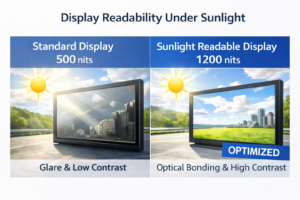
مقدمة تعتبر رؤية الشاشة معلمة تصميم بالغة الأهمية في المعدات الصناعية. يعتمد المشغلون على الواجهات الرسومية ...
أرسل تفاصيل طلبك. نرد عليك بتوجيهات التكوين والخطوات التالية.