دليل مشتري موردي شاشات العرض الصناعية لمعدات تصنيع المعدات الأصلية

مقدمة أصبحت الواجهات بين الإنسان والآلة (HMIs) الآن مكونات قياسية في المعدات الصناعية الحديثة. تتيح شاشات العرض للمشغلين ...
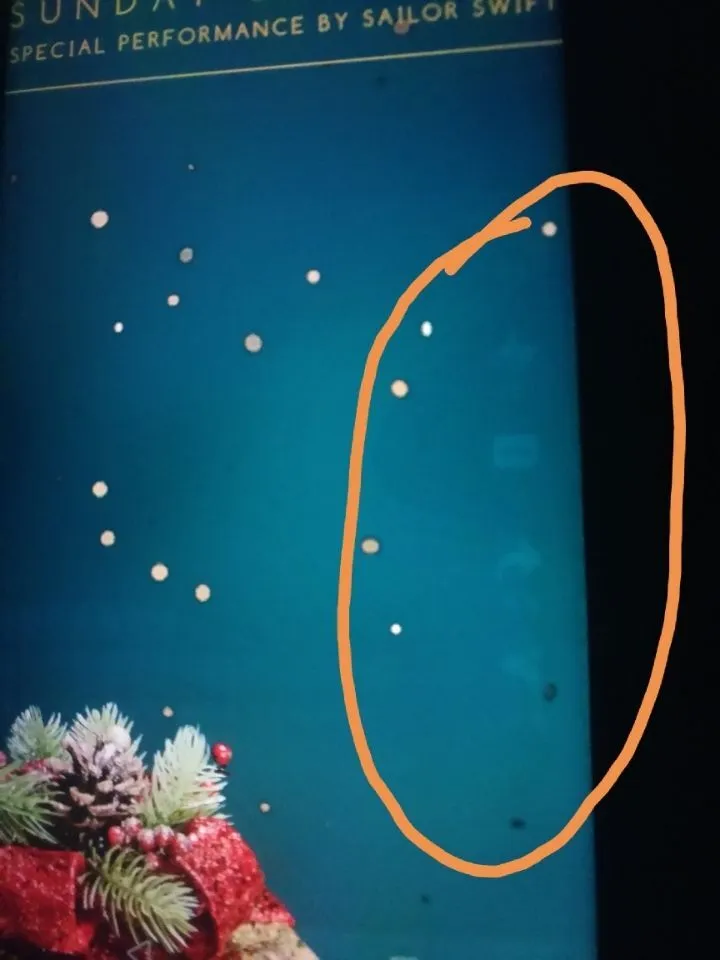
الاحتفاظ بالصور، ويشار إليها عادةً باسم الشبح, ، يصف حالة تظل فيها آثار باهتة لمحتوى معروض سابقًا مرئية بعد تغيير الصورة.
في تطبيقات TFT LCD الصناعية, ،الظلال هو عادةً لا يكون عيبًا في المنتج, ، ولكن سلوك العرض الناتج عن التأثير المشترك لخصائص اللوحة، وطريقة القيادة، وبيئة التشغيل، ونمط استخدام التطبيق.
يعد فهم هذا التمييز أمرًا بالغ الأهمية عند تقييم مدى ملاءمة العرض لعمليات النشر طويلة الأجل أو المهام الحرجة.
من وجهة نظر هندسية, الاحتفاظ بالصورة التي لوحظت في شاشات TFT LCDs يمكن أن تنشأ من آليات مختلفة. يساعد تحديد النوع في تحديد ما إذا كان يمكن تقليل المخاطر من خلال قرارات الاختيار أو التكامل.
الاحتفاظ المؤقت بالصور
الاستبقاء المرتبط بالقيادة أو التحيز
الاحتفاظ المرتبط بالتدهور طويل الأجل المتعلق بالتدهور
لا يمكن التحكم في جميع العوامل المساهمة بنفس القدر. من من منظور تصميم النظام، من المهم التمييز بين معلمات يمكن التحكم في تصميمها و القيود التي يحركها التطبيق.
| العامل | التحكم الهندسي | الملاحظات |
|---|---|---|
| زمن استجابة شاشة LCD | عالية | تم تقييمها أثناء اختيار الفريق |
| مطابقة لوحة السائق | عالية | التوافق الكهربائي أمر بالغ الأهمية |
| نسبة واجهة المستخدم الثابتة | متوسط | مرتبط بقوة بتصميم التطبيق |
| درجة حرارة التشغيل | متوسط | الإدارة الحرارية على مستوى النظام |
| شيخوخة الفريق | منخفضة | سلوك دورة الحياة المتأصل |
نادرًا ما يُعزى خطر الشبح إلى متغير واحد؛ وعادةً ما يكون نتيجة ظروف هامشية متعددة مكدسة معًا.
تختلف احتمالية التشويش بشكل كبير اعتماداً على كيفية استخدام الشاشة في الميدان.
غالبًا ما يكون فهم أين يقع التطبيق ضمن هذا الطيف أكثر أهمية من التركيز على مواصفات اللوحة وحدها.
بدلاً من الاعتماد على التخفيف من مخاطر الاختفاء بعد النشر، يجب تقييم مخاطر الاختفاء أثناء مرحلة الاختيار والتكامل.
تشمل الاعتبارات الرئيسية ما يلي:
لا يمكن لشاشة TFT LCD أن تضمن عدم احتباس الصورة في جميع الظروف؛ الهدف هو التحكم في المخاطر, وليس الإزالة المطلقة.
في المشروعات الصناعية، غالبًا ما يُلاحظ الاحتفاظ بالصورة في المشروعات الصناعية عندما يتم تقييم سلوك التطبيق، والقيادة الكهربائية، والظروف الحرارية بشكل مستقل بدلاً من تقييمها كنظام.
أثناء اختيار الشاشة ومراجعات التكامل، عادةً ما يتم تقييم هذه العوامل معًا لتحديد مدى ملاءمتها على المدى الطويل والمخاطر التشغيلية - خاصةً بالنسبة لأنظمة واجهة المستخدم الآلية على مدار الساعة طوال أيام الأسبوع، والأكشاك والأنظمة غير المراقبة.
يوصى بإجراء مراجعة فنية إذا كان طلبك يتضمن:
ألست متأكداً مما إذا كان تطبيقك مناسباً لتشغيل العرض الثابت على المدى الطويل؟
شارك ظروف التشغيل وسلوك واجهة المستخدم وتفاصيل البيئة مع فريقنا الهندسي لمراجعة الجدوى والمخاطر.
يهدف هذا المحتوى إلى أن يكون مرجعًا هندسيًا لتقييم سلوك العرض ويجب النظر إليه في سياق تصميم النظام الكامل.
مقدمة أصبحت الواجهات بين الإنسان والآلة (HMIs) الآن مكونات قياسية في المعدات الصناعية الحديثة. تتيح شاشات العرض للمشغلين ...
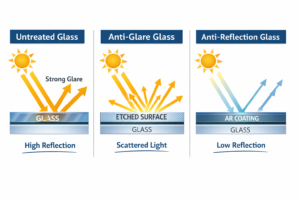
مقدمة كثيرًا ما يتم نشر شاشات العرض الصناعية في البيئات التي يصعب فيها التحكم في ظروف الإضاءة. المعدات ...
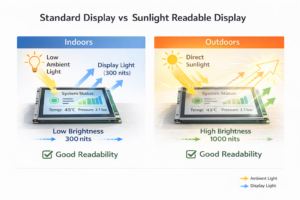
مقدمة تُعد شاشات العرض مكونًا هامًا للواجهة في العديد من أنواع المعدات الصناعية. فهي توفر النظام ...
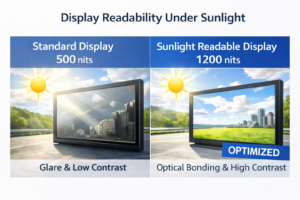
مقدمة تعتبر رؤية الشاشة معلمة تصميم بالغة الأهمية في المعدات الصناعية. يعتمد المشغلون على الواجهات الرسومية ...
أرسل تفاصيل طلبك. نرد عليك بتوجيهات التكوين والخطوات التالية.