دليل مشتري موردي شاشات العرض الصناعية لمعدات تصنيع المعدات الأصلية
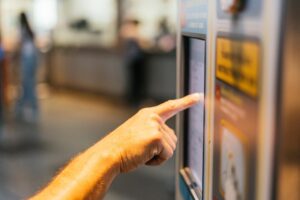
مقدمة أصبحت الواجهات بين الإنسان والآلة (HMIs) الآن مكونات قياسية في المعدات الصناعية الحديثة. تتيح شاشات العرض للمشغلين ...
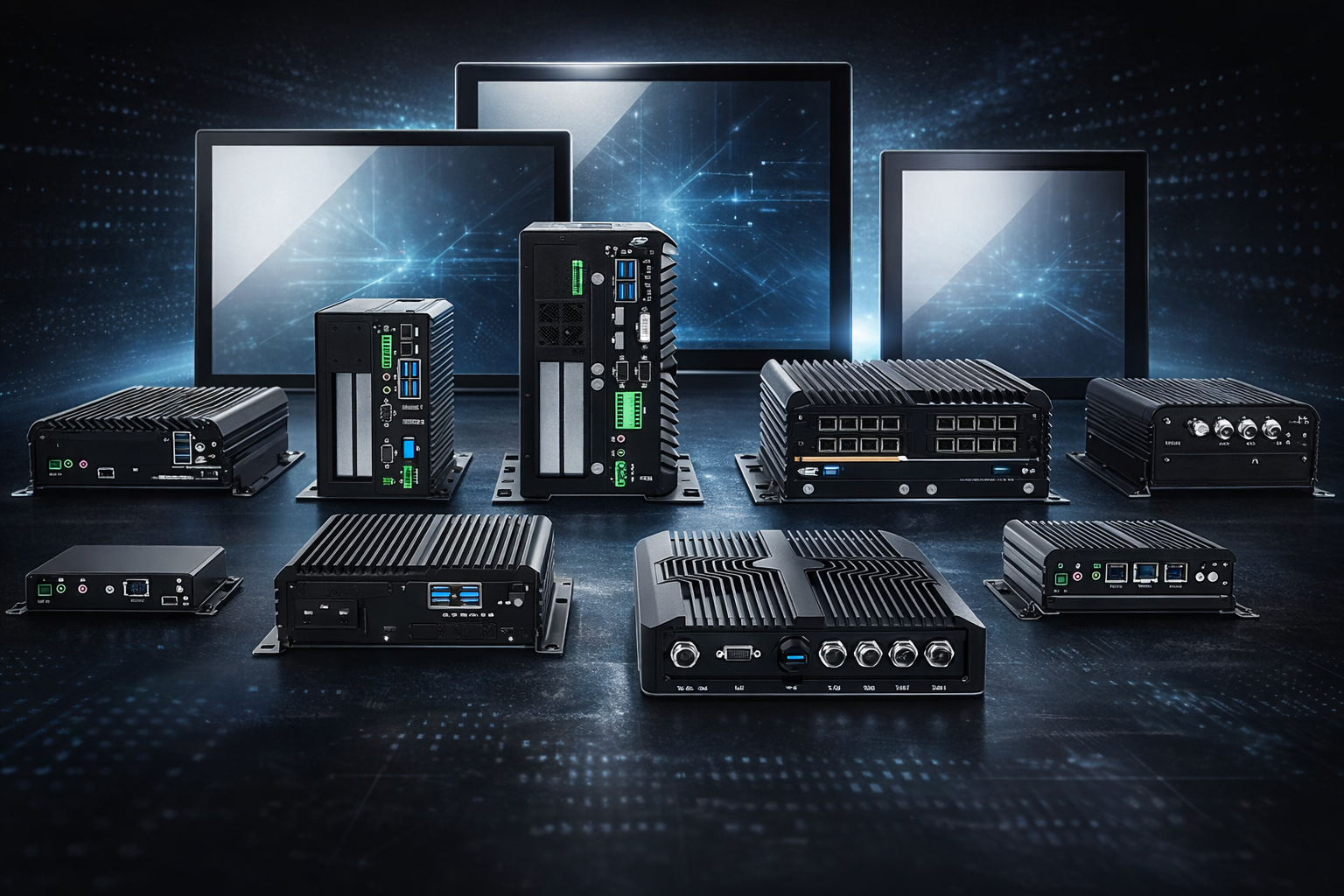
تُعد أنظمة الحوسبة المدمجة وأجهزة الكمبيوتر المدمجة تقنيات أساسية في الأتمتة الصناعية الحديثة، والتصنيع الذكي، والحوسبة المتطورة، والمعدات المتصلة. على عكس الحواسيب المكتبية أو الخوادم ذات الأغراض العامة، فإن هذه الأنظمة مصممة خصيصًا من أجل عملية مستمرة وموثوقة ومحددة المهام في البيئات الصعبة.
في هذا الدليل، نوضح في هذا الدليل ما هي أنظمة الحوسبة المدمجة، وسبب أهميتها في التطبيقات الصناعية، وكيفية اختيار الكمبيوتر المدمج المناسب لاحتياجاتك الخاصة.
أن نظام حوسبة مدمج يشير إلى بنية حوسبة مخصصة مصممة لأداء مهام تحكم أو معالجة أو مراقبة محددة ضمن نظام أو جهاز أكبر.
تُستخدم أنظمة الحوسبة المدمجة على نطاق واسع في الأتمتة الصناعية، والآلات الذكية، والروبوتات، وإنترنت الأشياء الصناعي، واللافتات الرقمية، ومعالجة الذكاء الاصطناعي المتطورة.
أن كمبيوتر مدمج هو نوع من أنظمة الحوسبة المدمجة التي تدمج البنية الأساسية للكمبيوتر الشخصي في عامل شكل صناعي مصمم لهذا الغرض.
تختلف عن أجهزة الكمبيوتر الشخصية الاستهلاكية, أجهزة الكمبيوتر المدمجة مصممة من أجل الموثوقية والحجم الصغير والعمر الافتراضي الطويل. يتم نشرها عادةً في:
غالبًا ما تتميز أجهزة الكمبيوتر المدمجة بحاويات متينة وتبريد بدون مروحة ومكونات من الدرجة الصناعية تعمل بشكل موثوق في البيئات التي بها اهتزازات وغبار ودرجات حرارة قصوى وتداخل كهرومغناطيسي (EMI).
| أسبكت | كمبيوتر مدمج | كمبيوتر شخصي للمستهلك |
|---|---|---|
| الغرض من التصميم | مهام صناعية محددة | الحوسبة العامة |
| بيئة التشغيل | درجات الحرارة القصوى والاهتزازات والغبار | تحكم في الأماكن المغلقة |
| الموثوقية | وقت تشغيل عالٍ على مدار 24/7 | مقيد باستخدام المستهلكين |
| طول العمر | دعم دورة الحياة الطويلة | دورات الترقية القصيرة |
| قابلية التوسعة | الإدخال/الإخراج الصناعي، والواجهات المخصصة | الأجهزة الطرفية القياسية |
بينما تركز الحواسيب الشخصية الاستهلاكية على تعدد الاستخدامات وتجربة المستخدم، فإن الحواسيب الشخصية المدمجة مصممة خصيصاً من أجل عمل موثوق به في سيناريوهات على مستوى الصناعة دون تغييرات متكررة في الأجهزة.
صُممت أنظمة الحوسبة المدمجة لتعمل على مدار الساعة طوال أيام الأسبوع في ظروف قاسية دون عطل، وهو مطلب في الأتمتة الصناعية والتصنيع.
تستخدم العديد من أجهزة الكمبيوتر المدمجة تصاميم بدون مروحة ووحدات محكمة الغلق لمنع دخول الغبار والرطوبة والجسيمات، مما يزيد بشكل كبير من الموثوقية في أرضيات المصانع والتركيبات الخارجية.
تم تحسين الأنظمة المضمنة لتناسب أعباء عمل محددة مع كفاءة استخدام الطاقة وانخفاض زمن الاستجابة والأداء المتوقع، وهي مثالية للتحكم في الوقت الحقيقي وبوابات إنترنت الأشياء IIoT والمعالجة المتطورة.
غالباً ما تتطلب عمليات النشر الصناعية توافر الأجهزة لسنوات أو حتى عقود. وعادة ما توفر أجهزة الكمبيوتر المدمجة استقرار دورة الحياة والتوافر على المدى الطويل, مما يقلل من جهود إعادة التأهيل وإعادة التصميم.
من مرافق التخزين البارد إلى خطوط الإنتاج ذات درجات الحرارة المرتفعة، تم تصميم أجهزة الحوسبة المدمجة للتعامل مع البيئات التي قد تفشل فيها الأجهزة الاستهلاكية.
توجد الحواسيب المدمجة في كل قطاع تقريبًا حيث يتطلب الأمر حوسبة موثوقة ومحددة المهام:
تعمل هذه الأنظمة على سد الفجوة بين بيانات المستشعرات الأولية والتحليلات القابلة للتنفيذ، وغالبًا ما تعمل على الحافة حيث يكون زمن الاستجابة المنخفض والموثوقية العالية من العوامل الرئيسية.
اختيار كمبيوتر مدمج ليس مقاسًا واحدًا يناسب الجميع. يعتمد الاختيار المثالي على متطلبات التطبيق الخاص بك.
ضع في اعتبارك أداء وحدة المعالجة المركزية والذاكرة والتخزين بناءً على عبء العمل - بدءًا من منطق التحكم الأساسي إلى الاستدلال المعقد للذكاء الاصطناعي.
تحقق من نطاق درجة حرارة التشغيل، ومدى تحمل الاهتزاز، وتصنيفات الحماية من الدخول ذات الصلة بالنشر الخاص بك.
تأكد من توفر الواجهات الصناعية الضرورية (على سبيل المثال، COM التسلسلي، USB، Ethernet، Ethernet، CAN، GPIO) وخيارات التوسعة.
يُفضل استخدام تصميمات بدون مروحة وتصميمات مدمجة في البيئات المتربة أو ذات الاهتزازات الثقيلة. قد تكون هناك حاجة إلى التركيب على حامل أو تركيب لوحة في بيئات أخرى.
قد تحتاج الأنظمة الصناعية إلى طاقة 24 فولت تيار مستمر أو مدخلات طاقة واسعة النطاق، أو التحكم في الطاقة عن بُعد، أو استشعار الإشعال.
اختر الأنظمة الأساسية المتوافقة مع حزمة البرامج الخاصة بك - ويندوز أو لينكس أو نظام التشغيل في الوقت الحقيقي حسب حالة الاستخدام.
تساعدك هذه العوامل على مطابقة الكمبيوتر المدمج مع احتياجات عملك وبيئتك التشغيلية.
يوازن كل عامل من عوامل الشكل بين الأداء والمتانة ومرونة التكامل لتلبية المتطلبات الصناعية المحددة.
أنظمة الحوسبة المدمجة والحواسيب المدمجة ليست مجرد مكونات، بل هي عوامل التمكين الأساسية للرقمنة الصناعية الحديثة والأتمتة والذكاء المتطور. إن موثوقيتها وأداءها المخصص وقدرتها على التكيف مع البيئات القاسية تجعلها لا غنى عنها في التطبيقات الصناعية اليوم.
يتطلب اختيار الكمبيوتر الشخصي المدمج المناسب فهماً عميقاً لـ البيئة التشغيلية واحتياجات الأداء وقيود التكامل. عند اختيارها بشكل صحيح، توفر أنظمة الحوسبة المدمجة استقرارًا طويل الأجل وتشغيلًا فعالاً وعائدًا كبيرًا على الاستثمار للمؤسسات الصناعية.
مقدمة أصبحت الواجهات بين الإنسان والآلة (HMIs) الآن مكونات قياسية في المعدات الصناعية الحديثة. تتيح شاشات العرض للمشغلين ...
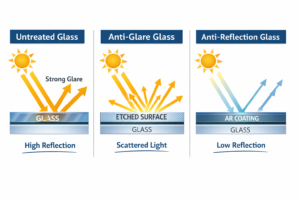
مقدمة كثيرًا ما يتم نشر شاشات العرض الصناعية في البيئات التي يصعب فيها التحكم في ظروف الإضاءة. المعدات ...
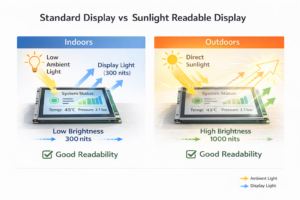
مقدمة تُعد شاشات العرض مكونًا هامًا للواجهة في العديد من أنواع المعدات الصناعية. فهي توفر النظام ...
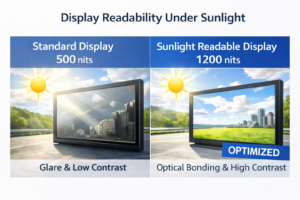
مقدمة تعتبر رؤية الشاشة معلمة تصميم بالغة الأهمية في المعدات الصناعية. يعتمد المشغلون على الواجهات الرسومية ...
أرسل تفاصيل طلبك. نرد عليك بتوجيهات التكوين والخطوات التالية.