Industrie-Display-Lieferanten Einkaufsführer für OEM-Ausrüstung

Einleitung Mensch-Maschine-Schnittstellen (HMIs) sind heute Standardkomponenten in modernen Industrieanlagen. Displays ermöglichen dem Bediener ...
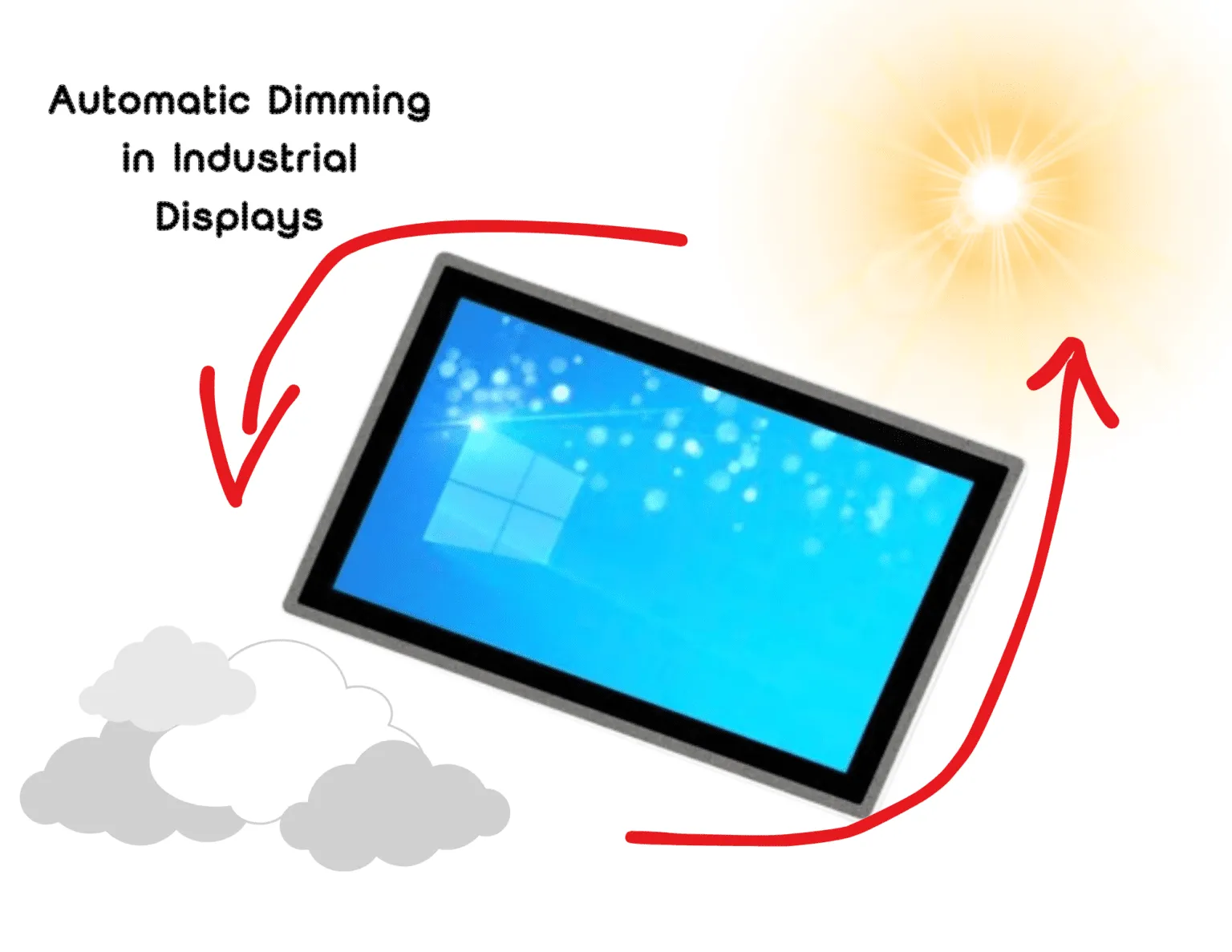
Die Energieeffizienz ist zu einem immer wichtigeren Konstruktionsparameter bei Industrieanlagen geworden. Viele Systeme sind über längere Zeiträume im Dauerbetrieb und nur begrenzt wartungsfähig, so dass Stromverbrauch, thermische Stabilität und Lebensdauer der Komponenten bei der Systemauslegung eine wichtige Rolle spielen.
Industrielle Bildschirme können einen messbaren Anteil am Gesamtstromverbrauch eines Systems ausmachen. LCD-Panels mit hoher Helligkeit, die in Außengeräten, industriellen HMIs und Infrastruktur-Terminals verwendet werden, sind auf LED-Hintergrundbeleuchtungssysteme angewiesen, die einen erheblichen Anteil des Stromverbrauchs der Displays ausmachen können.
In versiegelten oder lüfterlosen Gehäusen wird der größte Teil der von der Hintergrundbeleuchtung des Displays verbrauchten elektrischen Leistung direkt in Wärme umgewandelt. Daher wirkt sich die Display-Helligkeit nicht nur auf den Energieverbrauch, sondern auch auf die Gehäusetemperatur und die langfristige Zuverlässigkeit aus.
Um diesen Herausforderungen zu begegnen, enthalten viele industrielle Displays automatisches Dimmen und Energiesparmodus. Diese Funktionen reduzieren den durchschnittlichen Stromverbrauch des Displays und gewährleisten gleichzeitig die Lesbarkeit bei unterschiedlichen Lichtverhältnissen.
Das Helligkeitsverhalten in industriellen Systemen sollte jedoch auf der Ebene der Ebene der Systemarchitektur. Die automatische Helligkeitsregelung kann die Sicht des Bedieners, die Reaktionszeit des Systems und die Annahmen für die Validierung der HMI beeinflussen.
Das Verständnis der Funktionsweise dieser Mechanismen hilft OEM-Designern, industrielle Displays zuverlässiger in ihre Geräte zu integrieren.
Automatisches Dimmen in Industrie-Displays ist ein Helligkeitsregelungsmechanismus, der die Intensität der LED-Hintergrundbeleuchtung an die Umgebungslichtbedingungen oder den Betriebszustand des Systems anpasst.
Die automatische Dimmung kann die Helligkeit in dunkleren Umgebungen oder bei Inaktivität reduzieren:
Dieses adaptive Helligkeitsverhalten ist besonders nützlich für industrielle Systeme, die wechselnden Lichtverhältnissen ausgesetzt sind, wie z. B. Außenanlagen oder öffentliche Infrastruktureinrichtungen.
Die automatische Dimmung passt die Helligkeit dynamisch an die Lichtverhältnisse der Umgebung an.
Die meisten Implementierungen basieren auf einer Umgebungslichtsensor der die Umgebungshelligkeit misst. Der Display-Controller passt dann die Intensität der LED-Hintergrundbeleuchtung an, um einen ausreichenden Kontrast zu gewährleisten, ohne unnötige Helligkeit zu erzeugen.
Zum Beispiel:
Dieses adaptive Helligkeitsverhalten reduziert sowohl Energieverbrauch und Wärmebelastung.
Die Energiesparmodi erweitern die Helligkeitssteuerung durch zusätzliche Energiemanagementfunktionen.
Typische Mechanismen sind:
In Systemen, die eingebettete Computer oder Panel-PCs verwenden, wird die Energieverwaltung des Bildschirms häufig von der Host-Betriebssystem und nicht nur die Display-Hardware.
Industrielle LCD-Anzeigen basieren auf LED-Hintergrundbeleuchtungen, die von Konstantstromtreibern betrieben werden. Die Helligkeitsanpassung wird in der Regel mit zwei primären Techniken realisiert.
Pulsweitenmodulation (PWM)
PWM steuert die Helligkeit, indem es die LEDs mit hoher Frequenz ein- und ausschaltet und gleichzeitig den Strom während des aktiven Zyklus konstant hält. Dies ermöglicht einen großen Helligkeitsbereich bei gleichbleibenden LED-Farbeigenschaften.
Analoge Stromregelung
Beim analogen Dimmen wird die Stromzufuhr zur LED-Hintergrundbeleuchtung angepasst. Dies ermöglicht sanfte Helligkeitsübergänge, kann aber die Effizienz bei sehr niedrigen Helligkeitsstufen verringern.
Viele industrielle Displays kombinieren beide Ansätze in einem hybride Dimmarchitektur für eine stabile Helligkeitsregelung über einen großen Betriebsbereich.
Die Wahl der PWM-Frequenz ist wichtig. Ist die Frequenz zu niedrig, kann es zu sichtbarem Flimmern oder elektromagnetischen Störungen kommen.
Die automatische Helligkeitsregelung hängt von der genauen Messung der Umgebungslichtbedingungen ab.
Umgebungslichtsensoren messen die Umgebungshelligkeit in Lux und liefern Daten an den Display-Controller oder die Systemsoftware.
Die Platzierung des Sensors beeinflusst die Leistung erheblich. Wenn der Sensor reflektiertes Licht von der Bildschirmoberfläche oder lokalen Lichtquellen erkennt, kann es sein, dass die Helligkeitseinstellungen nicht mit den Sichtbedingungen des Bedieners übereinstimmen.
In Systemen, die industrielle Touchscreen-Displays, Die Sensoren werden in der Regel in der Nähe der Frontblende oder des Deckglases angebracht, um die Sichtumgebung des Bedieners anzunähern.
Die rohen Sensormessungen müssen durch Algorithmen zur Helligkeitssteuerung verarbeitet werden, bevor eine Anpassung erfolgt.
Typische Implementierungen sind:
Ohne diese Mechanismen könnten kleine Schwankungen des Umgebungslichts zu schnellen Helligkeitsschwankungen führen.
Die richtige Einstellung des Algorithmus sorgt dafür, dass die Helligkeitsänderungen allmählich und vorhersehbar bleiben.
In vielen OEM-Designs wird das Helligkeitsverhalten durch das Host-System und nicht durch die Display-Firmware allein koordiniert.
Zum Beispiel kann eine Maschinensteuerung die volle Helligkeit während des aktiven Betriebs beibehalten und die Helligkeit reduzieren, wenn das System in den Ruhezustand übergeht.
Dieser Ansatz ist üblich, wenn industrielle LCD-Monitore an eingebettete Computer oder Maschinensteuerungen angeschlossen sind.
Durch die Steuerung auf Host-Ebene kann das Helligkeitsverhalten des Bildschirms an den Zustand des Geräts, die Interaktionsmuster des Benutzers und die Energieverwaltungsrichtlinien angepasst werden.
Das automatische Dimmen führt zu einer Abhängigkeit von Sensoreingängen. Industrielle Entwürfe enthalten daher definierte Ausweichmechanismen.
Umgebungslichtsensoren können beeinträchtigt werden durch:
Typische Ausweichstrategien sind:
Diese Sicherheitsvorkehrungen tragen dazu bei, ein vorhersehbares Anzeigeverhalten beizubehalten, selbst wenn die Sensoreingaben unzuverlässig werden.
Industrielle HMIs müssen unter allen Betriebsbedingungen lesbar bleiben.
Plötzliche Helligkeitsänderungen können die Erkennung durch den Benutzer beeinträchtigen oder die Kontrastsichtbarkeit verringern.
Bei sicherheitsrelevanten Schnittstellen werden die Helligkeitswerte häufig während der Systemprüfung validiert. Automatische Helligkeitsanpassungen können mit diesen validierten Bedingungen in Konflikt geraten.
Aus diesem Grund werden bei sicherheitskritischen HMIs oft feste Helligkeitsstufen verwendet.
Die Lichtverhältnisse in Industrieanlagen können sich schnell ändern.
Beispiele hierfür sind:
Wenn die Helligkeitsalgorithmen zu aggressiv reagieren, kann sich die Helligkeit der Anzeige wiederholt ändern. Eine angemessene Hysterese und Verzögerungslogik sind erforderlich, um das Helligkeitsverhalten zu stabilisieren.
Der Stromverbrauch der Hintergrundbeleuchtung trägt direkt zur Wärmeentwicklung in geschlossenen Gehäusen bei.
Die Verringerung der Helligkeit senkt den LED-Strom und kann die interne Temperatur und die thermische Belastung der Display-Komponenten reduzieren.
In vielen industriellen Systemen erzeugen jedoch die Prozessoren oder die Leistungselektronik mehr Wärme als das Display selbst.
Daher wird eine thermische Analyse auf Systemebene empfohlen, bevor man sich auf die Verringerung der Helligkeit als primäre Strategie zur Wärmeminderung verlässt.
Bei industriellen Displays mit hoher Helligkeit kann die LED-Hintergrundbeleuchtung den größten Anteil am Gesamtstromverbrauch des Displays ausmachen.
Zum Beispiel, ein Industrielle LCD-Anzeige mit 1000-1500 Nit kann ein Mehrfaches der Leistung der Hintergrundbeleuchtung erfordern als ein Display, das mit mäßiger Helligkeit betrieben wird.
Aus diesem Grund werden Strategien zur Helligkeitssteuerung häufig bei der Planung berücksichtigt energieeffiziente industrielle HMI-Systeme und Außendisplay Ausrüstung.
Die Verringerung der Helligkeit während des Nachtbetriebs oder der Leerlaufzeiten kann den durchschnittlichen Stromverbrauch des Systems erheblich senken.
OEM-Gerätehersteller verlangen bei der Spezifikation von industriellen Anzeigemodulen häufig eine konfigurierbare Helligkeitssteuerung.
Die Helligkeitssteuerung muss möglicherweise über Systemschnittstellen wie z. B:
Dank flexibler Helligkeitssteuerungsoptionen kann das Display-Subsystem an den Maschinenbetrieb, die Interaktionsmuster der Benutzer und die Energiemanagementstrategien angepasst werden.
Automatische Dimm- und Energiesparmodi sind vor allem in Systemen nützlich, in denen die Beleuchtungsbedingungen schwanken oder der Bediener nur sporadisch eingreifen kann.
Typische Anwendungen sind:
Diese Systeme profitieren von einem adaptiven Helligkeitsverhalten und einem geringeren durchschnittlichen Energieverbrauch.
Die automatische Dimmung funktioniert gut, wenn:
Anwendungen wie Kioske, EV-Ladestationen und Infrastruktur-Terminals erfüllen diese Bedingungen in der Regel.
Einige industrielle Systeme erfordern ein vorhersehbares Helligkeitsverhalten.
Beispiele hierfür sind:
In diesen Umgebungen können feste Helligkeitseinstellungen einen zuverlässigeren Betrieb gewährleisten.
Automatische Dimm- und Energiesparmodi können die Energieeffizienz industrieller Anzeigesysteme verbessern, insbesondere in Umgebungen mit wechselnden Lichtverhältnissen oder Dauerbetrieb.
Das Helligkeitsverhalten muss jedoch im Zusammenhang mit der gesamten Systemarchitektur bewertet werden. Die Display-Helligkeit beeinflusst die Benutzerfreundlichkeit, die thermischen Bedingungen im Gehäuse und die Vorhersagbarkeit des Systems.
Für viele OEM-Hersteller und Systemintegratoren ist der zuverlässigste Ansatz kontrollierte Systemintegration. Die Hardwareunterstützung für die Helligkeitseinstellung ist enthalten, während das Helligkeitsverhalten durch eine Steuerlogik auf Systemebene verwaltet wird.
Die frühzeitige Berücksichtigung der Energieverwaltung von Displays im Entwicklungsprozess ermöglicht es den Ingenieuren, Energieeffizienz, Zuverlässigkeit und vorhersehbares Systemverhalten in Einklang zu bringen.
Ja. Der durchschnittliche Stromverbrauch kann sinken, wenn die Helligkeit häufig reduziert wird. Das Ausmaß der Reduzierung hängt vom Helligkeitsbereich des Bildschirms und den Nutzungsmustern ab.
Der Betrieb von LEDs bei niedrigeren Stromstärken verringert die thermische Belastung und kann die Lebensdauer verlängern, je nachdem, wie oft die geringere Helligkeit genutzt wird.
Sicherheitsrelevante Schnittstellen erfordern oft eine gleichbleibende Helligkeit, damit Alarme und Anzeigen unter allen Betriebsbedingungen gut sichtbar bleiben.
Die meisten Industriedisplays definieren Ausweichhelligkeitsstufen und ermöglichen eine manuelle Einstellung, so dass das Display auch bei einem unzuverlässigen Sensor nutzbar bleibt.
Die LED-Hintergrundbeleuchtung ist in der Regel der größte Stromverbraucher in einem industriellen LCD-Display. Bei sehr hellen Displays für den Außenbereich kann die Hintergrundbeleuchtung den größten Teil des Stromverbrauchs ausmachen.
Eine Verringerung der Helligkeit während des Nachtbetriebs oder der Leerlaufzeiten kann daher den durchschnittlichen Energieverbrauch erheblich senken.
Einleitung Mensch-Maschine-Schnittstellen (HMIs) sind heute Standardkomponenten in modernen Industrieanlagen. Displays ermöglichen dem Bediener ...
Einleitung Industrielle Bildschirme werden häufig in Umgebungen eingesetzt, in denen die Lichtverhältnisse schwer zu kontrollieren sind. Ausrüstung ...
Einleitung Displays sind eine wichtige Schnittstellenkomponente in vielen Arten von Industrieanlagen. Sie bieten System ...
Einleitung Die Sichtbarkeit von Displays ist ein entscheidender Konstruktionsparameter bei Industrieanlagen. Die Bediener verlassen sich auf grafische Schnittstellen ...
Senden Sie uns Ihre Anwendungsdetails. Wir antworten mit einer Konfigurationsanweisung und den nächsten Schritten.