Assemblaggi di touch screen industriali OEM
Assemblaggi PCAP e touch resistivi per programmi OEM strutturati.
Il disegno o la dimensione target sono sufficienti per avviare la valutazione. Le specifiche complete possono essere definite durante la revisione.
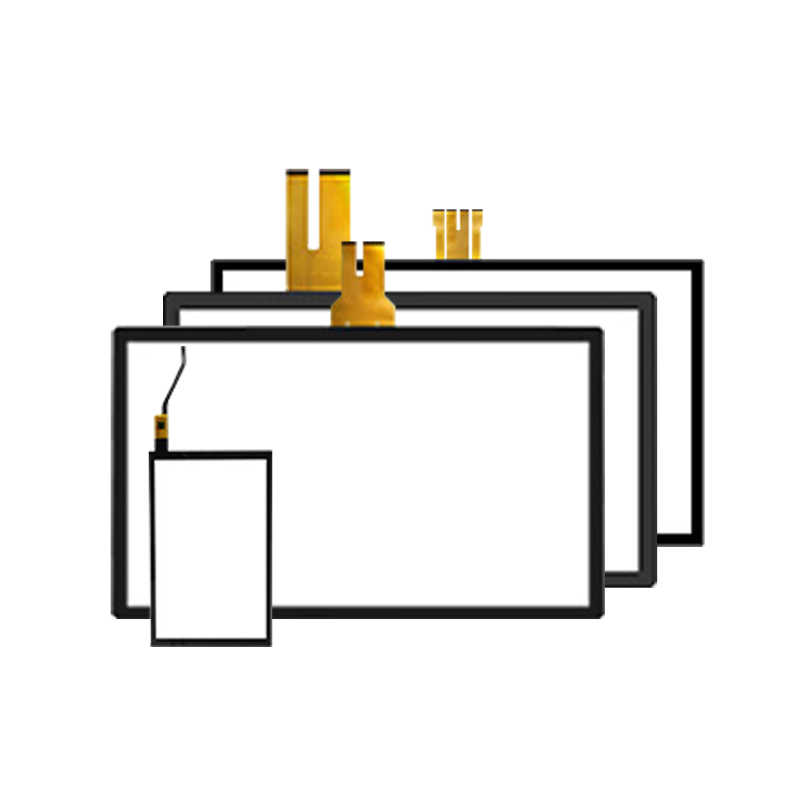
Gruppi di touch screen industriali
Produciamo e forniamo gruppi tattili per apparecchiature OEM e sistemi di controllo integrati.
In questa pagina, per “touch screen” si intende il gruppo tattile integrato nel modulo del display: lente di copertura, sensore tattile e configurazione del controller.
- Tecnologie: PCAP e resistivo (4 fili / 5 fili)
- Gamma di dimensioni tipiche: 7” - 55”
- Interfacce: USB, I²C, RS-232 (a seconda dell'ospite)
- Modello di fornitura: Produzione OEM per programmi di prodotto definiti
Ingressi necessari per la configurazione touch
Una raccomandazione corretta si basa sulla struttura, sull'ambiente e sul sistema host.
- Spessore del vetro di copertura / stampa
- Obiettivo di legame (aria / OCA / LOCA)
- Lunetta, guarnizione, vincoli di montaggio
- Funzionamento con guanti o bagnato
- Esposizione all'esterno / ai raggi UV
- Temperatura ed esposizione chimica
- Sistema operativo
- Interfaccia (USB / I²C / RS-232)
- Messa a terra / contesto EMI
- Direzione di impilamento e incollaggio consigliata
- Allineamento del controllore e dell'interfaccia con il sistema host
- Piano di esempio e punti di controllo della convalida
- Definizione dell'approvazione dei disegni e del controllo di revisione
Le prestazioni del touch sono definite dalla struttura, dalla configurazione del controllore e dalle condizioni del sistema.
Il comportamento stabile del touch non può essere determinato solo dalle specifiche nominali. Dipende da come il gruppo tattile interagisce con l'ambiente meccanico ed elettrico.
- Struttura di impilamento: spessore del vetro di copertura, metodo di incollaggio (aria / OCA / LOCA), strati di montaggio
- Configurazione del controllore: regolazione della sensibilità, parametri guanto/umido, impostazioni del firmware
- Contesto del sistema: progettazione della messa a terra, schermatura, instradamento dei cavi, esposizione a EMI / ESD
La configurazione viene tipicamente rivista e convalidata durante la campionatura e l'approvazione rispetto alla struttura frontale e al sistema host effettivi.
PCAP o resistivo - guida alla scelta ingegneristica
La scelta della tecnologia dipende dalla struttura del fronte, dallo stile di interazione, requisiti di tenuta e dai vincoli del sistema host.
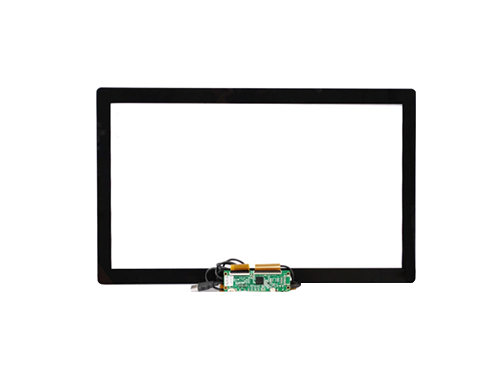
Capacitivo proiettato (PCAP)
In genere viene utilizzato in progetti sigillati con fronte in vetro e nelle interfacce multi-touch.
- Supporta l'interazione multi-touch
- Adatto per superfici frontali con grado di protezione IP
- Allineato ai moderni sistemi di interfaccia utente
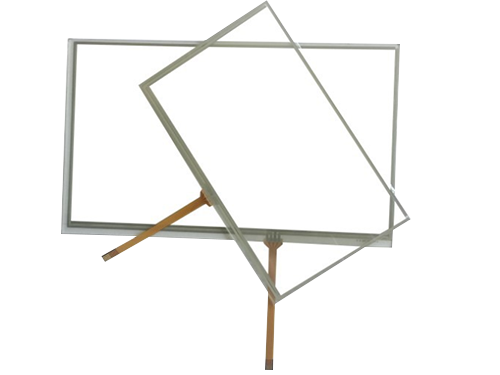
Resistivo (4 fili / 5 fili)
In genere viene scelto per l'ingresso a punto singolo e per i sistemi di controllo a stilo.
- Utilizzabile con stilo o guanti pesanti
- Applicazioni mirate a un solo tocco
- Compatibile con molte piattaforme legacy
Per le considerazioni di carattere strutturale e acustico, fare riferimento alla Principio fondamentale dell'ingegneria.
Controllo delle specifiche per i programmi touch industriali
Gli assemblaggi touch sono definiti e approvati prima della produzione in serie, con un controllo di revisione mantenuto durante la fornitura.
- Definizione delle specifiche: La struttura meccanica, il metodo di incollaggio, la configurazione del controllore, e l'interfaccia sono confermati durante il campionamento.
- Blocco della revisione: I disegni e la configurazione approvati vengono congelati prima della produzione pilota e di massa.
- Controllo delle modifiche: PCN emesso per modifiche del materiale o del processo che forma, l'adattamento o la funzione.
- Continuità del programma: Allineamento del ciclo di vita e strategia di sostituzione discusse per una fornitura OEM a lungo termine.
Ambienti di distribuzione
Selezionati in base ai vincoli: visibilità, tenuta, ciclo di lavoro, accesso al servizio e rumore elettrico.

Luce solare, interazione con il pubblico, facciate sigillate.

Rumore elettrico, servizio continuo, accesso al servizio.

Utilizzo 24/7, finestre di manutenzione limitate.

Rischio di umidità, urti e condensa.
Condividete il vostro ambiente di distribuzione e i vostri vincoli: vi consiglieremo la direzione della piattaforma.
Integrazione del touch industriale - Domande comuni
Si concentra sulla fattibilità degli OEM e sul controllo delle forniture.
Il PCAP può supportare un vetro di copertura spesso?
La fattibilità dipende dallo spessore dello stack-up, dalla capacità del controllore, e dalle condizioni di rumore del sistema. La valutazione si basa sulla struttura effettiva.
Supportate applicazioni con guanti o wet touch?
Le prestazioni dei guanti e del bagnato dipendono dalla messa a punto del regolatore e dalle condizioni di messa a terra del sistema. e dalle condizioni di messa a terra del sistema. Si raccomanda la convalida durante il campionamento.
Cosa è necessario per avviare un progetto?
Le dimensioni di massima, la struttura frontale, l'interfaccia con l'host, e l'ambiente di impiego sono sufficienti per una prima verifica.
Come vengono gestite le modifiche alle specifiche?
Le specifiche approvate vengono bloccate prima della produzione di massa. Il PCN viene emesso per le modifiche che riguardano la forma, l'adattamento o la funzione.
Fornite parti di ricambio per gli utenti finali?
L'obiettivo principale è la fornitura di programmi OEM. Gli ordini di sostituzione dei consumatori non sono generalmente supportati.
Costruito per la stabilità dell'integrazione
Decisioni di progettazione legate all'uso reale. Ambito definito. Consegna chiara. Documentazione disponibile per modello/configurazione per programmi OEM qualificati (NDA se richiesto).



Riferimenti dimensionali standard per i programmi touch OEM
Questi modelli servono come punti di partenza dimensionali. Le specifiche finali sono confermate dall'approvazione dei disegni e dalla convalida dei campioni.
- I modelli elencati sono solo riferimenti dimensionali.
- È possibile definire dimensioni e strutture personalizzate in base ai requisiti del progetto.
PCAP (capacitivo) - Modelli standard (tabella di espansione)
| P/N | Dimensione | Spessore | VA della finestra (mm) | Profilo del sensore (mm) | Coperchio Obiettivo (mm) |
|---|---|---|---|---|---|
| ET097F8614 | 9.7" | 3,9 mm | 196.75 × 148.3 | 199.75 × 151.3 | 253.77 × 188.77 |
| ETCG101A83-2.0 | 10.1" | 2,0 mm | 217.96 × 136.6 | 228 × 149 | 229.60 × 151.00 |
| ET101F8058 | 10.1" | 2,9 mm | 217.96 × 136.6 | 229.96 × 151.5 | 254.96 × 172.6 |
| ET101F8059 | 10.1" | 2,9 mm | 222.5 × 125 | 234.5 × 140 | 247 × 150 |
| ETCCG104A03-1.0 | 10.4" | 2,5 mm | 213.6 × 161.00 | 237.98 × 187.17 | 255.20 × 202.50 |
| ET104F8060 | 10.4" | 2,9 mm | 211 × 158.4 | 235.2 × 175.4 | 245.1 × 192.5 |
| ETCG104A06-1.0 | 10.4" | 2,85 mm | 212.20 × 159.40 | 239 × 179.4 | 242.00 × 183.00 |
| ET116F8023 | 11.6" | 2,9 mm | 257 × 146 | 270 × 159 | 287 × 176 |
| ETCG121A19-1.0 | 12.1" | 1,9 mm | 247 × 186.6 | 257.75 × 201.95 | 259.75 × 203.95 |
| ET121F8062 | 12.1" | 2,0 mm | 246.76 × 185.32 | 260 × 200.1 | 274.16 × 220.9 |
| ET133F8063 | 13.3" | 2,0 mm | 295 × 166.6 | 307.88 × 181.12 | 335 × 197 |
| ET140F8064 | 14" | 2,0 mm | 311 × 176 | 322 × 190 | 335 × 200 |
| ETCG150A30-3.0 | 15" | 2,45 mm | 304.10 × 228.10 | 304.10 × 228.10 | 327.50 × 255.00 |
| ET150F8066 | 15" | 2,0 mm | 304 × 228.01 | 323 × 243.5 | 364 × 288 |
| ETCG156A08-2.0 | 15.6" | 2,4 mm | 343.54 × 192.83 | 367.30 × 216.20 | 380.5 × 234.58 |
| ET156F8069 | 15.6" | 3,9 mm | 344 × 194 | 358 × 210 | 383.91 × 233 |
| ETCG170A11-2.0 | 17" | 2,45 mm | 338.92 × 271.34 | 338.92 × 271.34 | 364.42 × 299.33 |
| ET170F8068 | 17" | 2,9 mm | 338.92 × 271.34 | 356.92 × 290.84 | 377 × 309 |
| ETCG185A13-1.0 | 18.5" | 3,4 mm | 410.80 × 231.40 | 433.80 × 283.00 | 460 × 283.00 |
| ET185F8071 | 18.5" | 3,9 mm | 410.8 × 231.40 | 428 × 249.9 | 448.8 × 269.4 |
| ETCG190A13-1.0 | 19" | 3,4 mm | 377.32 × 302.06 | 403.32 × 331.06 | 403.32 × 331.06 |
| ET190F8072 | 19" | 2,9 mm | 377.32 × 302.06 | 395 × 320.26 | 421 × 346 |
| ET195F8074 | 19.5" | 2,7 mm | 433 × 240.36 | 447.4 × 257.8 | 472.5 × 280.9 |
| ETCG215A56-1.0 | 21.5" | 3,4 mm | 478.00 × 269.80 | 478.00 × 269.80 | 508 × 303.80 |
| ETCG215A72-2.0 | 21.5" | 2,45 mm | 476 × 267.50 | 492 × 288.61 | 494 × 290.61 |
| ETCG236A04-1.0 | 23.6" | 4,4 mm | 522.65 × 295.20 | 549.20 × 326.05 | 587.00 × 356.00 |
| ET236F8078 | — | 2,7 mm | 522.28 × 294.22 | 542.16 × 318.44 | 555.5 × 343 |
| ET236F8079 | — | 2,7 mm | 522.26 × 294.22 | 542.16 × 318.44 | 555.5 × 343 |
| ET238F8080 | 23.8" | 2,7 mm | 527.04 × 296.46 | 544 × 316.5 | 570 × 342 |
| ET270F8082 | 27" | 3,3 mm | 598 × 336 | 618.2 × 360.45 | 658 × 416 |
| ETCG320A02-1.0 | 32" | 3,35 mm | 698.95 × 393.42 | 721.50 × 416.65 | 757.12 × 450.60 |
| ETCG430A02-1.0 | 43" | 4,4 mm | 943.20 × 535.50 | 973.00 × 561.50 | 994.20 × 587.30 |
| ETCG550A01-1.0 | 55" | 4,3 mm | 1210.8 × 680 | 1251.6 × 716.42 | 1299 × 770 |
Resistivo (4 fili) - Standard da 10,1" a 24" (tabella di espansione)
| P/N | Dimensione | Spessore | Dimensione esterna | Visualizza l'area | Area attiva |
|---|---|---|---|---|---|
| ET-4101A0 | 10.1" | 1,4 mm | 224 × 168.5 | 207 × 156.5 | 203 × 152.5 |
| ET-4101A1 | 10.1" | 1,1 mm | 233 × 143.8 | 223.4 × 132.2 | 221.4 × 130.2 |
| ET-4101A7 | 10.1" | 1,4 mm | 235 × 145.8 | 223.42 × 133.65 | 221.42 × 131.65 |
| ET-4104A0 | 10.4" | 1,4 mm | 225.55 × 172.95 | 215 × 162.2 | 211.2 × 158.8 |
| ET-4106A0 | 10.6" | 1,4 mm | 227 × 175 | 215 × 165 | 215 × 165 |
| ET-4121AO | 12.1" | 2,0 mm | 260.6 × 198.5 | 250.5 × 188.9 | 243.76 × 182.32 |
| ET-4121A1 | 12.1" | 2,0 mm | 271 × 206 | 254 × 192 | 248 × 186 |
| ET-4121A2 | 12.1" | 2,0 mm | 275.8 × 178 | 264.1 × 166.2 | 261.1 × 163.2 |
| ET-4141A0 | 14.1" | 2,0 mm | 319 × 204 | 306 × 192 | 302 × 188 |
| ET-4150A0 | 15" | 2,0 mm | 322 × 247 | 310.5 × 236 | 304 × 228 |
| ET-4150A2 | 15" | 2,0 mm | 321 × 247 | 310.5 × 236 | 304 × 228 |
| ET-4151A0 | 15.1" | 2,0 mm | 346.2 × 217 | 331.2 × 207 | 327.2 × 203 |
| ET-4156A0 | 15.6" | 2,0 mm | 358 × 208.5 | 348 × 196 | 346 × 194 |
| ET-4170A0 | 17" | 2,0 mm | 355 × 288 | 341.5 × 275 | 337 × 269 |
| ET-4170A1 | 17" | 2,0 mm | 362 × 278 | 331 × 250 | 320 × 240 |
| ET-4171A0 | 17.1" | 2,0 mm | 382.2 × 239.5 | 367.2 × 229.5 | 363.2 × 225.5 |
| ET-4185A0 | 18.5" | 2,0 mm | 429.37 × 253.6 | 413.39 × 234 | 409.79 × 230.4 |
| ET-4190A0 | 19" | 2,0 mm | 392 × 318 | 376 × 303 | 367 × 293 |
| ET-4190A1 | 19" | 2,0 mm | 396 × 323 | 377 × 304 | 375 × 300 |
| ET-4190A2 | 19" | 2,0 mm | 441.8 × 273 | 418.6 × 253.6 | 415 × 250 |
| ET-4191A0 | 19.1" | 2,0 mm | 426.8 × 275 | 412 × 259 | 406 × 253 |
| ET-4192A0 | 19.2" | 2,0 mm | 500 × 109.2 | 481.1 × 92 | 478.08 × 89.64 |
| ET-4200A0 | 20" | 2,0 mm | 462.8 × 272 | 446.8 × 253.2 | 442.8 × 249.08 |
| ET-4216A0 | 21.6" | 2,0 mm | 500 × 292.6 | 481.5 × 272.6 | 477.5 × 268.6 |
| ET-4220A0 | 22" | 2,0 mm | 488 × 310 | 473.5 × 295 | 471 × 293.8 |
| ET-4220A1 | 22" | 2,0 mm | 491 × 318 | 477 × 300 | 475.6 × 297.6 |
| ET-4230A0 | 23" | 2,0 mm | 534 × 313 | 514 × 291 | 510 × 287 |
Resistivo (4 fili) - Dimensioni ridotte (espandere la tabella)
| P/N | Dimensione | Spessore | Dimensione esterna | Visualizza l'area | Area attiva |
|---|---|---|---|---|---|
| ET-4043A0 | 4.3" | 1,0 mm | 105.5 × 67.2 | 99 × 57.6 | 96.4 × 55 |
| ET-4047A0 | 4.7" | 1,0 mm | 113.7 × 69.3 | 106.88 × 61.15 | 105.28 × 60.15 |
| ET-4050A3 | 5" | 1,1 mm | 120.2 × 73.5 | 116.2 × 67.5 | 111.2 × 63.7 |
| ET-4057A0 | 5.7" | 1,4 mm | 132.5 × 104.7 | 123 × 94.7 | 116 × 87.7 |
| ET-4060A0 | 6" | 1,4 mm | 143.5 × 88 | 135.08 × 77.67 | 132.48 × 75.07 |
| ET-4061A0 | 6.1" | 1,4 mm | 148 × 82 | 138.2 × 74 | 136.2 × 72 |
| ET-4062A0 | 6.2" | 1,4 mm | 155.2 × 89 | 140.7 × 80.4 | 137.52 × 77.22 |
| ET-4065A0 | 6.5" | 1,4 mm | 155 × 89.3 | 142.8 × 80 | 142.8 × 80 |
| ET-4069A0 | 6.9" | 1,4 mm | 167 × 93 | 159.3 × 84.4 | 157.3 × 82.4 |
| ET-4070A0 | 7" | 1,4 mm | 164.8 × 103.8 | 155.3 × 94.3 | 152.4 × 91.44 |
| ET-4070A1 | 7" | 1,4 mm | 163.5 × 102.5 | 154.4 × 93.44 | 151.4 × 90.44 |
| ET-4070A2 | 7" | 1,4 mm | 168 × 94 | 159.3 × 86 | 157 × 83.8 |
| ET-4070A3 | 7" | 1,4 mm | 164.9 × 100 | 157 × 90 | 155 × 88 |
| ET-4070A4 | 7" | 1,4 mm | 165 × 106 | 155 × 93.5 | 152 × 91 |
| ET-4071A0 | 7.1" | 1,4 mm | 164.2 × 103.2 | 155 × 94 | 153.4 × 92.44 |
| ET-4078A0 | 7.8" | 1,4 mm | 185.7 × 118.4 | 172.6 × 10³ | 169 × 99 |
| ET-4078A2 | 7.8" | 2,3 mm | 174 × 132.2 | 163.5 × 123.9 | 158 × 118.7 |
| ET-4080A0 | 8" | 1,4 mm | 183 × 141 | 164.8 × 124.8 | 161.8 × 121.8 |
| ET-4081A0 | 8.1" | 1,4 mm | 192.8 × 115.9 | 182.1 × 105.4 | 178.64 × 101.36 |
| ET-4084A0 | 8.4" | 1,4 mm | 184.8 × 149 | 172.8 × 130.5 | 168.8 × 126.5 |
| ET-4084A2 | 8.4" | 1,4 mm | 199 × 118.5 | 189.9 × 108.6 | 185.76 × 104.6 |
| ET-4084A3 | 8.4" | 1,4 mm | 187 × 141 | 173.5 × 131 | 170.5 × 128 |
| ET-4089A0 | 8.9" | 1,4 mm | 213.36 × 129.55 | 198.16 × 116.55 | 196.07 × 114.4 |
| ET-4089A1 | 8.9" | 1,1 mm | 205 × 125 | 200 × 118.2 | 198.4 × 117 |
| ET-4090A0 | 9.0" | 1,4 mm | 210.7 × 112.08 | 201.1 × 115.15 | 198 × 112.08 |
| ET-4100A0 | 10" | 1,4 mm | 255.2 × 61.4 | 249.79 × 54.2 | 70.09 × 53 |
Resistivo (5 fili) - Modelli standard (espandere tabella)
| P/N | Dimensione | Spessore | Dimensione esterna | Visualizza l'area | Area attiva |
|---|---|---|---|---|---|
| ET-5102A0 | 10.2" | 2,0 mm | 145.9 × 235 | 136.11 × 224.9 | 133.2 × 222 |
| ET-5104A0 | 10.4" | 2,0 mm | 174 × 229 | 162.2 × 215 | 158.8 × 211.2 |
| ET-5121A0 | 12.1" | 2,0 mm | 200 × 265 | 188.9 × 250.5 | 182.32 × 243.76 |
| ET-5121A2 | 12.1" | 2,0 mm | 178 × 275.8 | 166.2 × 264.1 | 163.2 × 261.1 |
| ET-5141A0 | 14.1" | 2,0 mm | 204 × 319 | 192 × 306 | 188 × 302 |
| ET-5150A0 | 15" | 2,0 mm | 247 × 322 | 236 × 310.5 | 228 × 304 |
| ET-5156A0 | 15.6" | 2,0 mm | 215 × 362.8 | 196.8 × 374.54 | 192.8 × 343.54 |
| ET-5170A0 | 17" | 2,0 mm | 288 × 355 | 275 × 341.5 | 269 × 337 |
| ET-5185A0 | 18.5" | 2,0 mm | 429.37 × 253.6 | 412.97 × 234 | 409.37 × 230.4 |
| ET-5190A0 | 19" | 2,0 mm | 318 × 392 | 303 × 376 | 293 × 367 |
| ET-5190A1 | 19" | 2,0 mm | 323 × 396 | 304 × 377 | 300 × 375 |
| ET-5191A0 | 19.1" | 2,0 mm | 276 × 426 | 260 × 414 | 256 × 410 |
| ET-5200A0 | 20" | 2,0 mm | 329 × 432 | 308 × 410 | 303 × 405 |
| ET-5216A0 | 21.6" | 2,0 mm | 292.6 × 500 | 275 × 483.5 | 270 × 478.5 |
| ET-5220A0 | 22" | 2,0 mm | 310 × 488 | 295 × 473.5 | 293.8 × 471 |
Revisione ingegneristica
Inviate i dettagli della vostra applicazione. Risponderemo con la direzione della configurazione e le fasi successive.