Guida all'acquisto dei fornitori di display industriali per le apparecchiature OEM
Introduzione Le interfacce uomo-macchina (HMI) sono ormai componenti standard delle moderne apparecchiature industriali. I display consentono agli operatori di ...
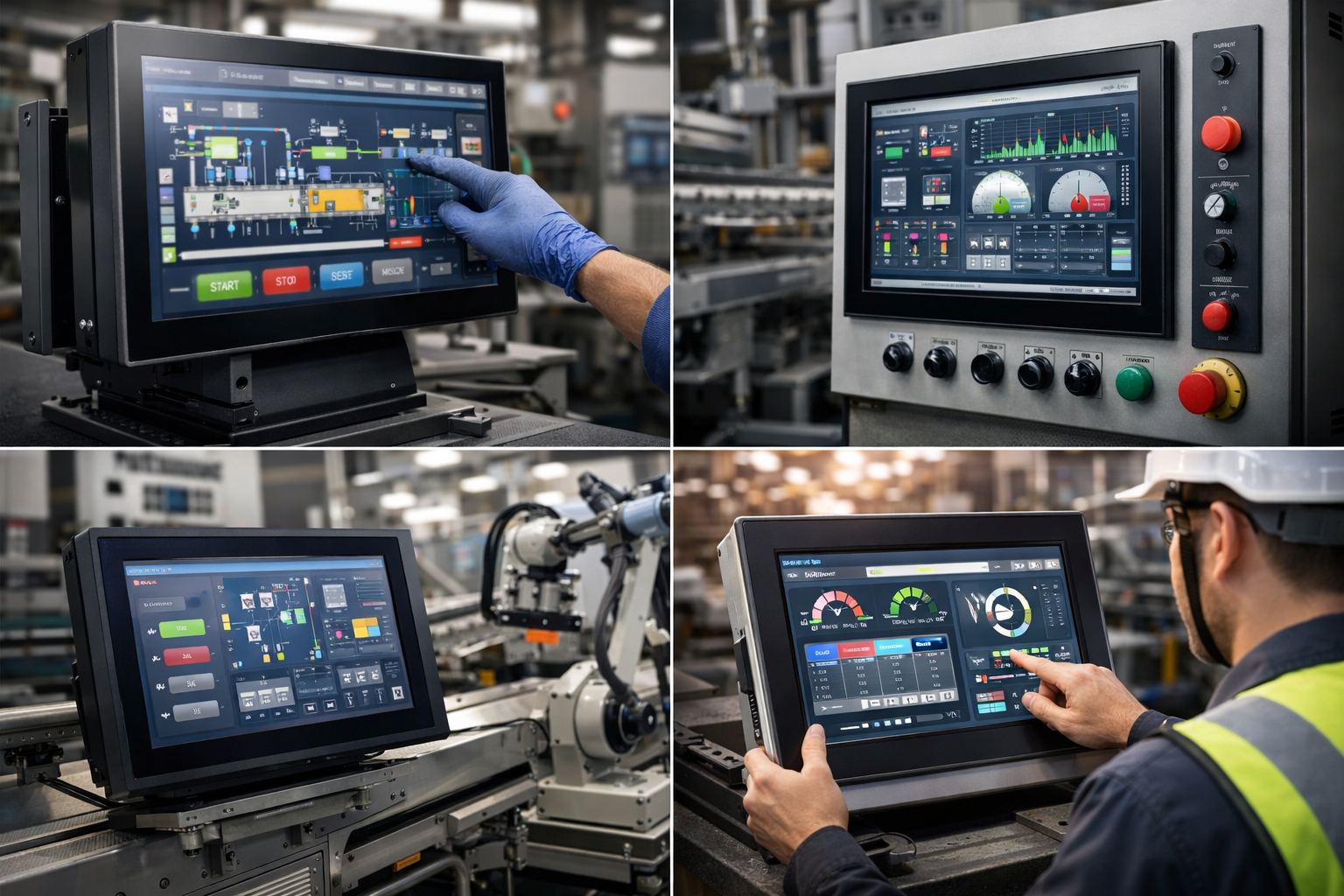
I monitor touchscreen sono diventati un tecnologia di base dell'interfaccia nella moderna automazione industriale.
Dai pannelli di controllo delle fabbriche alle complesse interfacce HMI delle macchine, gli schermi tattili non sono più un optional: sono critica per l'efficienza, l'affidabilità e l'usabilità del sistema.
Questo articolo spiega perché monitor touchscreen materia di automazione industriale, Come si comportano rispetto alle interfacce tradizionali e quali sono gli aspetti che gli ingegneri devono considerare nella scelta di una soluzione di livello industriale.
Un monitor touchscreen industriale è un interfaccia di visualizzazione robusta progettato per il funzionamento continuo in ambienti difficili come:
A differenza dei display consumer, i monitor touchscreen industriali sono costruiti per:
In genere supportano tattile resistivo o capacitivo proiettato (PCAP), molteplici opzioni di montaggio e interfacce industriali come HDMI, VGA, DP o USB.
Gli schermi tattili riducono drasticamente il tempo necessario agli operatori per interagire con le macchine.
Invece di navigare su pulsanti fisici o tastiere esterne, gli operatori possono:
Questo porta a tempi di risposta più rapidi e meno errori operativi, soprattutto in ambienti ad alta produttività.
I pannelli di controllo tradizionali richiedono:
Monitor touchscreen consolidare tutte le interazioni in un'unica interfaccia, semplificando la progettazione del sistema e riducendo i punti di guasto.
Per gli integratori di sistemi, questo significa:
Gli ambienti di automazione industriale espongono le apparecchiature a:
I monitor touchscreen industriali sono progettati con:
Questa affidabilità è essenziale per Funzionamento industriale 24/7.
I moderni sistemi di automazione si basano molto sul software di visualizzazione e sulle piattaforme SCADA.
I monitor touchscreen consentono:
Questo rende i sistemi più intuitivo per gli operatori e più facile da standardizzare tra le varie strutture.
Sebbene i monitor touchscreen industriali abbiano un costo iniziale più elevato rispetto ai display consumer, offrono un notevole risparmio a lungo termine:
Per i progetti di automazione industriale, costo totale di proprietà (TCO) conta più del prezzo iniziale.
Molti progetti di automazione richiedono specifiche non standard, come ad esempio:
Per questo motivo gli OEM e gli integratori di sistemi spesso collaborano con produttori di touchscreen industriali piuttosto che prodotti di consumo standard.
Un approccio personalizzato riduce il rischio di integrazione e garantisce la stabilità del progetto a lungo termine.
I monitor touchscreen non sono più solo dei dispositivi di visualizzazione, ma sono anche una componente fondamentale dei sistemi di automazione industriale.
Migliorano:
Con la continua evoluzione dell'automazione, le interfacce touchscreen rimarranno un elemento di tecnologia di fondazione in tutte le applicazioni industriali.
Se state lavorando a un progetto di automazione industriale e avete bisogno di una soluzione touchscreen affidabile e a lungo termine, È quindi fondamentale valutare i requisiti in anticipo e collaborare con un produttore industriale esperto.
[Richiedi un preventivo] o [Contattaci] per discutere i requisiti della vostra applicazione.
Introduzione Le interfacce uomo-macchina (HMI) sono ormai componenti standard delle moderne apparecchiature industriali. I display consentono agli operatori di ...
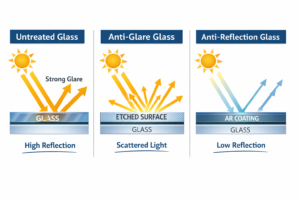
Introduzione I display industriali sono spesso utilizzati in ambienti in cui le condizioni di illuminazione sono difficili da controllare. Apparecchiature ...
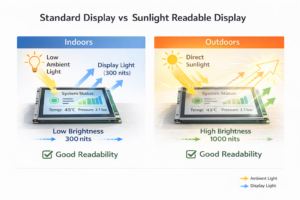
Introduzione I display sono un componente di interfaccia fondamentale in molti tipi di apparecchiature industriali. Forniscono al sistema ...
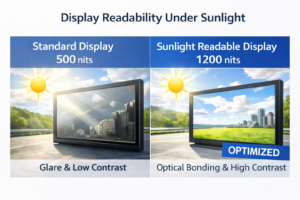
Introduzione La visibilità del display è un parametro critico nella progettazione delle apparecchiature industriali. Gli operatori si affidano alle interfacce grafiche ...
Inviate i dettagli della vostra applicazione. Risponderemo con la direzione della configurazione e le fasi successive.