Guia do comprador do fornecedor de ecrãs industriais para equipamento OEM

Introdução As interfaces homem-máquina (IHM) são atualmente componentes normais dos equipamentos industriais modernos. Os ecrãs permitem aos operadores ...
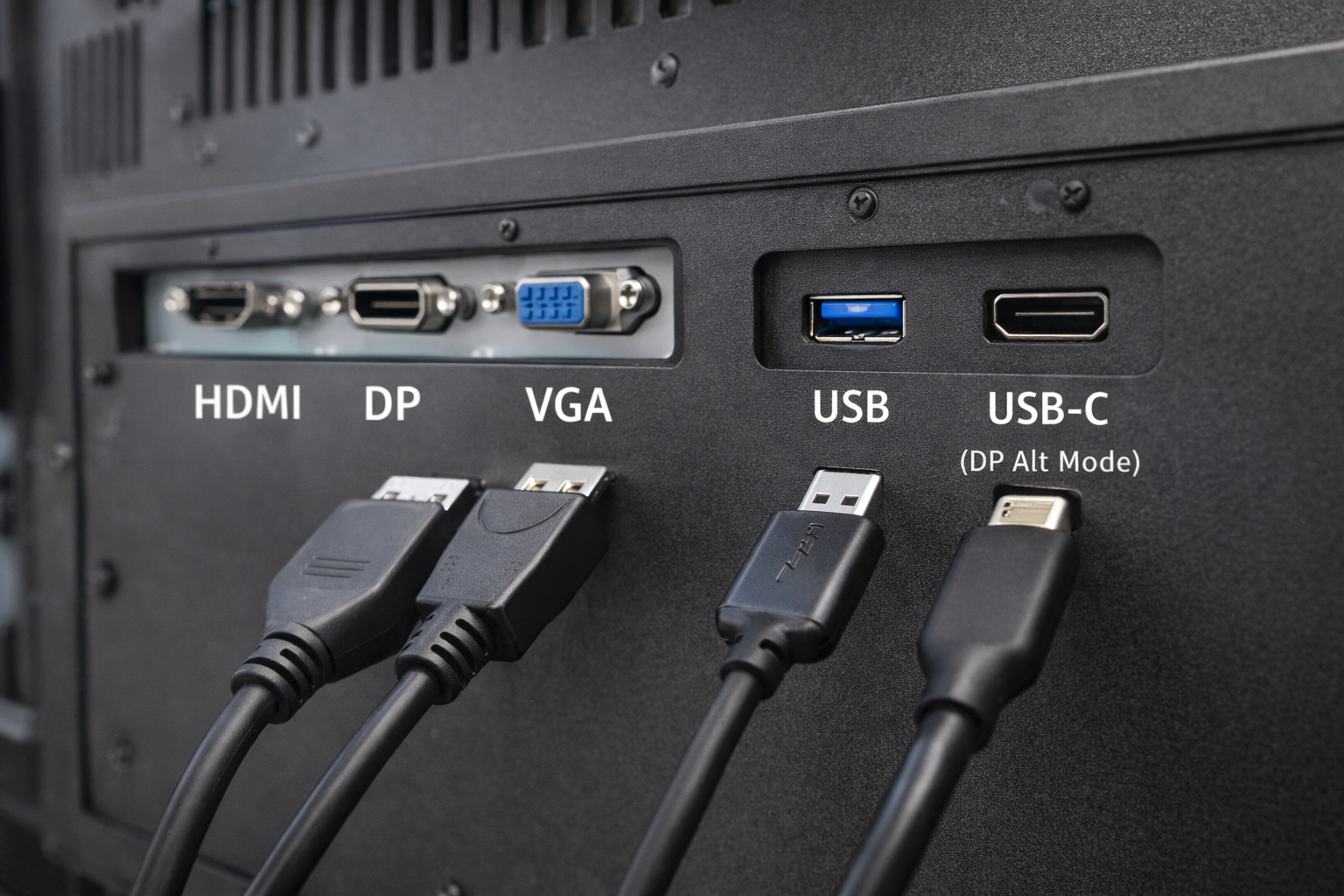
Nos sistemas industriais e incorporados, a seleção da interface é uma decisão de conceção crítica.
Muitos engenheiros e integradores de sistemas colocam uma questão comum:
Uma porta USB pode funcionar como uma entrada de vídeo para um computador monitor industrial?
A resposta curta é: por vezes - mas não da forma que a maioria das pessoas espera.
Este artigo explica quando o USB pode ser utilizado para vídeo, quando não pode e quais as alternativas mais adequadas para monitores industriais.
Uma porta USB (Universal Serial Bus) foi concebida principalmente para:
Os casos de utilização comuns do USB incluem teclados, ratos, dispositivos de armazenamento e sensores.
O USB não foi originalmente concebido como uma interface de transmissão de vídeo nativa como HDMI ou DisplayPort.
Compreender esta distinção é essencial para a conceção de sistemas de ecrãs industriais.
Uma porta USB padrão não pode transmitir sinais de vídeo de forma nativa da mesma forma que HDMI, VGA ou DisplayPort.
No entanto, é possível a transmissão de vídeo por USB apenas através de tecnologias e condições específicas, que são frequentemente mal interpretadas.
DisplayLink é uma solução baseada em compressão que permite a saída de vídeo através de USB.
Como funciona:
Limitações para a utilização industrial:
O USB-C é frequentemente confundido com o USB normal.
Quando o USB-C suporta Modo DisplayPort Alt, Pode transmitir sinais de vídeo nativos.
Esclarecimentos importantes:
Para monitores industriais, o suporte de vídeo USB-C deve ser explicitamente especificados e validados.
| Interface | Vídeo nativo | Condutor necessário | Fiabilidade industrial |
|---|---|---|---|
| USB (padrão) | ❌ Não | Sim | Baixa |
| USB + DisplayLink | ⚠️ Baseado em software | Sim | Limitada |
| USB-C (Modo DP Alt) | ✅ Sim | Não | Moderado |
| HDMI / DP / VGA | ✅ Sim | Não | Elevado |
Para a maioria das aplicações industriais, as interfaces de vídeo dedicadas continuam a ser a escolha preferida.
Os monitores industriais estabelecem prioridades:
As soluções de vídeo baseadas em USB introduzem frequentemente:
Como resultado, HDMI, DisplayPort e VGA continuam a ser as interfaces padrão em sistemas de visualização industriais.
O vídeo baseado em USB é por vezes avaliado para:
Mesmo nestes casos, a validação técnica é fundamental para evitar problemas de fiabilidade.
Antes de selecionar USB como interface de vídeo, pergunte:
Para a maior parte dos projectos industriais, a resposta remete para interfaces de vídeo nativas.
Não. As portas USB normais não podem substituir diretamente as interfaces de vídeo nativas.
Não. Apenas as portas USB-C que suportam o Modo Alt DisplayPort podem produzir vídeo.
Podem funcionar em casos limitados, mas não são geralmente recomendados para utilização industrial a longo prazo.
Embora a tecnologia USB tenha evoluído, não é um substituto universal das interfaces vídeo tradicionais em monitores industriais.
As soluções de vídeo baseadas em USB dependem de software, controladores ou configurações de portas específicas, o que introduz complexidade e risco.
Para aplicações industriais estáveis e de longa duração, as entradas de vídeo dedicadas, como HDMI e DisplayPort, continuam a ser a escolha mais fiável.
Introdução As interfaces homem-máquina (IHM) são atualmente componentes normais dos equipamentos industriais modernos. Os ecrãs permitem aos operadores ...
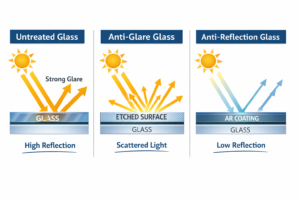
Introdução Os ecrãs industriais são frequentemente utilizados em ambientes onde as condições de iluminação são difíceis de controlar. Equipamento ...
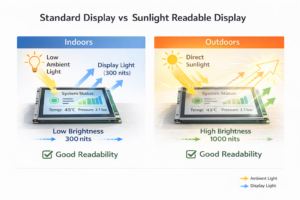
Introdução Os ecrãs são um componente de interface crítico em muitos tipos de equipamento industrial. Fornecem ao sistema ...
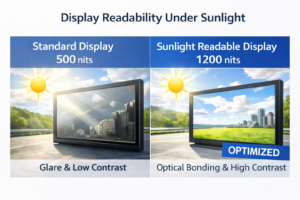
Introdução A visibilidade do ecrã é um parâmetro de conceção fundamental nos equipamentos industriais. Os operadores confiam nas interfaces gráficas ...
Envie os detalhes da sua aplicação. Responderemos com orientações de configuração e próximos passos.